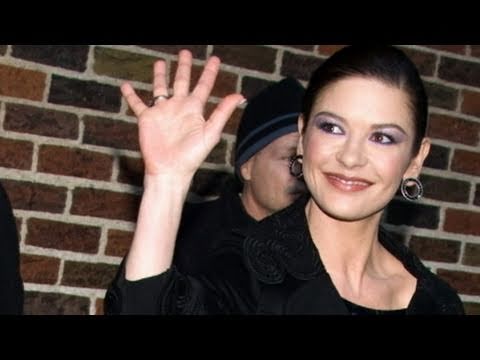
You know Catherine Zeta-Jones, right? Brilliant actress, stunning looks. But there’s a lot more to her story.
She’s opened up about living with bipolar disorder. Yeah, it’s a real thing that affects many people—famous or not.
Her journey is pretty raw and real. It’s got ups and downs, just like anyone else’s life.
Imagine dealing with those mood swings while being in the spotlight all the time.
Let me tell you, it takes guts to share that kind of vulnerability. And it can really help others feel less alone!
Catherine Zeta-Jones: Her Journey with Mental Health Treatment and Recovery
Catherine Zeta-Jones is a well-known actress, but her journey with mental health, particularly bipolar disorder, is something that resonates deeply with many people. She has spoken openly about her experiences, which helps to reduce the stigma surrounding mental health issues. Let’s break it down a bit.
In 2011, Catherine revealed that she had been diagnosed with bipolar II disorder. This condition can cause extreme mood swings, including emotional highs (mania or hypomania) and lows (depression). It’s not just about feeling a bit blue sometimes; it can really impact daily life. Her honesty about this diagnosis was pretty brave and has given so many people hope.
So, what’s the deal with treatment? Well, like many others facing similar challenges, Catherine started therapy and medication to manage her symptoms. Medication for bipolar disorder typically includes mood stabilizers and sometimes antipsychotics or antidepressants. Finding the right mix is crucial, and it often takes time to get it just right.
But therapy plays a big role too! Talk therapy can be super beneficial for folks dealing with bipolar disorder. It provides a safe space to process emotions and develop coping strategies for the ups and downs of life. This kind of support is vital in helping you understand your feelings better.
Catherine also emphasized the importance of self-care in her recovery journey. Self-care can look different for everyone: some find peace in yoga or meditation, while others benefit from hobbies or spending time with loved ones. For her, finding balance was key.
Her openness has sparked conversations about mental health in Hollywood and beyond. Celebrities talking about mental health can inspire everyday folks to seek help without shame or fear, which is really important!
There’s another side to this story that’s worth mentioning: managing public life while struggling with mental illness isn’t easy either! Zeta-Jones faced public scrutiny along with her personal battles—it must’ve been tough navigating fame while dealing with such serious stuff.
By sharing her experience publicly, Catherine Zeta-Jones helps to redefine what it means to live with a mental health condition. It shows that recovery isn’t always linear; it involves ups and downs but is absolutely possible.
Listening to stories like hers reminds us that reaching out for help isn’t just okay; it’s essential. In our world today, where conversations around mental health are becoming more common, it’s comforting knowing that you’re not alone on this journey—everyone has their struggles.
So yeah, when we see someone like Catherine turning her challenges into advocacy work? That’s inspirational! She shows us all that there’s strength in vulnerability and that seeking help is a sign of courage—not weakness.
Exploring Catherine Zeta-Jones: Age, Mental Health Journey, and Inspirational Resilience
Catherine Zeta-Jones is more than just a talented actress. She’s also a powerful voice for mental health awareness, especially when it comes to her journey with bipolar disorder. Her openness about this condition really helps shed light on what so many people go through but often don’t discuss.
Zeta-Jones was diagnosed with bipolar II disorder in 2011. This type of bipolar disorder involves mood swings that include emotional highs (mania) and lows (depression), but the highs aren’t as extreme as in bipolar I. Basically, you can feel really happy or energized one moment and then, out of nowhere, you’re feeling down or exhausted. You know? It’s not just being moody.
Her decision to speak out about her mental health issues has been inspiring for many. Zeta-Jones has said she went public not just to help herself but also to help others who might be suffering in silence. It’s easy to think that someone with her success and fame wouldn’t struggle like the rest of us, but that’s far from the truth.
In interviews, she’s talked about how important it is to prioritize mental health just like physical health. She emphasizes seeking help when needed and normalizing therapy as a part of life. She mentioned that surrounding yourself with supportive friends and family can make a huge difference.
But let’s be real for a second: dealing with a mental health condition isn’t always straightforward. There are good days and bad days; sometimes you feel like you’re climbing mountains, other times you’re just trying to get out of bed. In her case, Zeta-Jones has mentioned managing her symptoms involves medication as well as therapy.
Though she’s faced challenges, her resilience shines through brightly. It takes strength to face your struggles publicly—especially in Hollywood where everything seems perfect on the outside. Yet here she is, reminding us that it’s okay not to be okay sometimes.
To wrap it up, Catherine Zeta-Jones shows us that there’s strength in vulnerability and that sharing your story can inspire others who are walking the same tough path. Her journey really resonates; it tells us we’re not alone in our struggles and encourages conversations about mental health—something we definitely need more of!
In short:
- Catherine Zeta-Jones publicly shares her experience with bipolar disorder.
- She highlights the importance of seeking help and normalizing therapy.
- Her story encourages resilience and supports those who might feel isolated.
Catherine Zeta-Jones: Understanding Her Battle with Mental Health and Illness
Catherine Zeta-Jones is a renowned actress, but her journey with mental health, particularly her experience with bipolar disorder, has also been a significant part of her life. It’s important to recognize that mental health conditions are real challenges, you know? They can feel overwhelming and isolating.
Bipolar disorder is characterized by extreme mood swings. You might feel really high and energetic during manic episodes, then plummet into deep lows during depressive phases. This can make daily life super complicated. For Catherine, this struggle became public when she opened up about her diagnosis in 2011. She wanted to shed light on how mental illness works behind the scenes.
You see, when she spoke out, it wasn’t just about raising awareness; it was personal for her. Imagine being in the spotlight and feeling like you have to put on a brave face all the time while inside you’re dealing with these intense emotional shifts. That’s exactly what she experienced.
In interviews, Catherine discussed how she felt like she was living a double life—a glamorous celebrity on the outside but battling demons within. During one of those low moments, feeling lost and overwhelmed can lead anyone to think twice about everything—relationships, career paths, you name it.
Catherine also mentioned that therapy played a crucial role in her recovery process. It’s kind of amazing how having someone to talk to can help clarify your thoughts and feelings. Therapy offers a safe space without judgment where you can unpack what you’re carrying around.
Moreover, managing bipolar disorder often involves medication as well. This is not one-size-fits-all stuff; finding the right balance takes time and patience—lots of trial and error sometimes! But combined with therapy and support from loved ones, many people find their way back to stability.
It’s heartwarming how Catherine advocates for mental health awareness even after facing stigma herself. She emphasizes that talking openly about mental illness can help others realize they’re not alone in their struggles—it’s okay not to be okay sometimes!
So yeah, while Catherine Zeta-Jones dazzles us on screen with her performances, it’s also essential to remember the human aspect behind those roles—the battles fought beyond the limelight. If someone as talented as her can face these challenges openly and bravely, it’s truly an inspiring message for everyone dealing with similar issues out there today.
Catherine Zeta-Jones is such a remarkable person, you know? I mean, not just because she’s an amazing actress, but because she’s been so open about her journey with bipolar disorder. Seriously, that’s a big deal. Many celebs might shy away from discussing their mental health, but she faced it head-on.
Think about it—she was at the peak of her career when she revealed her diagnosis. That’d be super scary for anyone. Imagine being in the spotlight and sharing something so personal with the world. But she did it anyway! It kind of makes you realize how strong she is, right?
Her journey hasn’t been all glitz and glamour, though. She’s talked about battling anxiety and struggling to find balance in life while dealing with bipolar disorder. I remember reading that at one point, things got really tough for her. She had to step back from acting for a while to focus on herself. That’s a courageous move! It’s like admitting you need a break when everyone expects you to keep going.
It’s refreshing to see someone like Catherine show that it’s okay to talk about mental health without judgment or shame. Bipolar disorder can feel isolating—you’re riding these wild emotional highs and lows—and here comes Catherine saying, “Hey, me too!” It brings this sense of connection for those who are going through similar struggles.
And let’s not overlook how she advocates for awareness around mental health issues now. It shows that she’s not just telling her story but also fighting the stigma attached to it. So many people can look up to her as an example of living authentically despite life’s challenges.
Catherine Zeta-Jones has turned her experience into something powerful—she’s become this beacon of hope for others facing their battles with mental health. Her journey reminds us all that it’s okay not to be okay sometimes and that seeking help can lead not just to recovery but also personal growth.