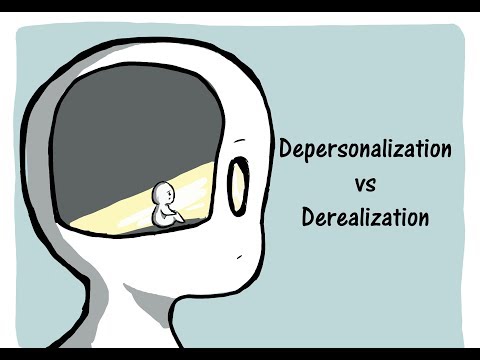
You ever feel like you’re in a movie? Everything looks real, but it just… doesn’t feel real? That’s derealization. It’s wild, huh?
Imagine walking through your neighborhood, but it all seems kinda fuzzy or distant. Like you’re watching a scene unfold on TV or something. So strange.
Now, if you’re feeling this way, know you’re not alone. A lot of folks go through this, especially when stress or anxiety kicks in—like your brain’s way of saying, «Whoa, let’s hit pause.»
In this chatty little piece, we’re gonna dig into what causes derealization in mental health contexts. You might find some things you totally relate to!
Understanding Derealization: The Psychology Behind Reality Distortion
Derealization can feel like your brain’s way of messing with reality. Imagine waking up one day and everything around you seems, well, a bit off. People look like they’re in a movie, or your surroundings are just… not quite real. It can be disorienting and honestly pretty scary.
What is Derealization? It’s a type of dissociative experience, where you feel detached from the world around you. You might feel like you’re observing everything from a distance or like you’re in a dream. You’re still aware that things are happening, but it all feels surreal.
Causes of Derealization: There are several triggers that can lead to these experiences. Let’s break them down:
One time I chatted with someone who experienced derealization after going through an incredibly tough time at work. Everything felt foggy; conversations seemed muffled and distant—like watching a TV show where the sound was off. They described how disheartening it was to see friends and family yet feel so disconnected from them.
Coping with Derealization: While it might sound rough, there are ways to manage these feelings if they pop up:
It’s important to remember that while derealization isn’t uncommon, if it’s affecting your life significantly, reaching out for help is key. You deserve support! Even though it might feel lonely at times when you’re stuck in that dreamy fog, there’s hope for clarity ahead.
Understanding Derealization: Key Mental Health Issues Behind This Disturbing Experience
Derealization can be a really unsettling experience. It often feels like you’re stuck in a dream or, like, everything around you isn’t quite real. You know that sense when you watch a movie and can’t believe it’s just a story? That’s kind of what derealization is like, but way more intense and related to mental health.
So, what are the key issues behind this feeling? First off, stress plays a huge role. Imagine you’re juggling work stress, family issues, and maybe some personal drama. Your brain can go into overdrive trying to cope. When that happens, derealization might kick in as a way for your mind to protect itself from feeling overwhelmed.
Another big factor is anxiety disorders. For those dealing with anxiety or panic attacks, derealization can pop up as an unwelcome guest. It’s as if your brain decides to take a step back during a panic attack to help you “see” things differently—a sort of self-defense mechanism. Like when your body tells you that you’re in danger even if nothing’s actually happening.
Trauma is also crucial here. People who have experienced traumatic events sometimes report feelings of derealization as their mind tries to distance itself from painful memories. It’s almost like being on autopilot—your brain doesn’t want to relive the trauma, so it creates this weird bubble around reality.
Substance use can contribute too. Some drugs—like hallucinogens or even alcohol—can trigger episodes of derealization or make existing symptoms worse. Imagine going out with friends for a drink and suddenly feeling detached from everything around you; not fun!
And then there are mental health disorders like depression or post-traumatic stress disorder (PTSD). If you’re battling these issues, derealization might creep in as part of the overall emotional struggle you’re facing.
So yeah, if you’ve ever felt this way or know someone who has, it’s important to remember that it doesn’t come out of nowhere. There are serious mental health issues behind it that need understanding and attention.
In summary:
- Stress: An overwhelming amount can lead to dissociation.
- Anxiety Disorders: Panic attacks often bring on feelings of unreality.
- Trauma: Past experiences can cause your mind to detach.
- Substance Use: Some substances may trigger or worsen these feelings.
- Mental Health Disorders: Conditions like depression and PTSD often link with derealization.
Getting help from professionals is key! Talking things out with someone can really help make sense of those feelings and find ways to deal with them head-on instead of running away from reality—even if it sometimes feels easier!
Understanding Derealization: Exploring Its Role as an Altered State of Consciousness
Derealization can feel pretty unsettling. Imagine walking through your own life, but everything seems off—like you’re watching a movie instead of living it. That’s derealization for you. It’s an altered state of consciousness where the world around you feels unreal or distorted. You may feel disconnected from your surroundings or that things around you lack depth or color, almost like a dream.
So why does derealization happen? There are several factors at play. Stress and anxiety often take center stage. Picture this: you’ve just had a crazy week at work, juggling deadlines and family issues. Your brain is like, “Whoa, I need a break!” In response, it might trigger derealization to help you cope with overwhelming emotions.
Another big player is trauma. If you’ve been through something really intense or scary—like an accident or loss—you might experience derealization as your mind tries to protect itself from emotional pain. It’s like your brain hits the pause button on reality because it can’t deal with what just happened.
Here are some common causes:
- Anxiety Disorders: High anxiety levels can lead to feelings of unreality.
- Depersonalization Disorder: This disorder often co-exists with derealization, where people feel detached from themselves.
- Post-Traumatic Stress Disorder (PTSD): Those who have experienced trauma might face periods of derealization.
- Substance Use: Some drugs can trigger these feelings; think marijuana or hallucinogens.
- Lack of Sleep: Seriously, sleep deprivation can mess with how we perceive reality.
Interestingly enough, even physical health issues can contribute to these feelings. For example, if you’re dealing with migraines or certain neurological conditions, those can mess with perception too.
The thing is about derealization, it’s different for everyone. Some people might have just a fleeting moment of feeling unreal while others could find it lasts for days or longer. It impacts daily life and relationships in significant ways because when the world around you feels surreal, making connections can be tough.
So what do people usually do about it? Well, therapy is often key in managing these experiences. Cognitive Behavioral Therapy (CBT) helps many by changing how they think about their symptoms and reducing anxiety levels overall. Sometimes mindfulness practices are suggested to ground individuals back in their bodies and surroundings.
Reality check: If you ever find yourself struggling with these sensations more than just occasionally—reach out! Talking to someone who gets it can be incredibly helpful—whether that’s a friend or a mental health professional.
In summary, understanding derealization means recognizing it’s not just weird vibes; it’s often tied to deeper emotional responses like stress and trauma. The more we chat about mental health openly, the better we get at helping one another navigate experiences like this—because no one should go through feeling disconnected alone!
Derealization can feel like you’re living in a dream or watching life through a foggy glass. One moment, everything seems perfectly normal, and the next, it’s like the world around you loses its depth and vibrancy. It can be super disorienting, right?
So, what causes this? Well, it often stems from intense stress or trauma. Imagine going through something really heavy—like losing someone close to you or facing a life-altering event. Your brain might just decide it needs to protect you by distancing you from the harsh reality. It’s kind of like your mind saying, “Whoa, that’s way too much! Let’s take a step back.” In some cases, people might experience derealization after being in situations that are really anxiety-inducing or overwhelming.
And here’s the kicker: It can also pop up during periods of anxiety or during panic attacks. You know how everything feels so exaggerated when your heart is racing and your thoughts are spiraling? That feeling of unreality might sneak in as your brain tries to make sense of the chaos.
Substance use is another big player here. Certain drugs—especially hallucinogens—can trigger episodes of derealization while altering perception. Imagine taking something that makes colors brighter and sounds sharper but leaves you feeling disconnected from everything around you. Not exactly fun and games.
Sometimes people don’t even realize what’s happening to them until they start talking about it with someone else—like in therapy where they unpack their experiences bit by bit. I remember talking to a friend who had been dealing with derealization for months without understanding it fully; she thought she was just “going crazy,” which can happen when feelings like these aren’t explained or understood.
It’s comforting to know there are ways to manage this dissociative state though! With therapy techniques like grounding exercises or mindfulness practices, many folks find their way back to feeling more connected with reality over time. So while derealization feels pretty frightening, it’s not an uncommon experience in the grand scheme of mental health struggles—it might just be your brain trying to shield you from pain in its own wild way.