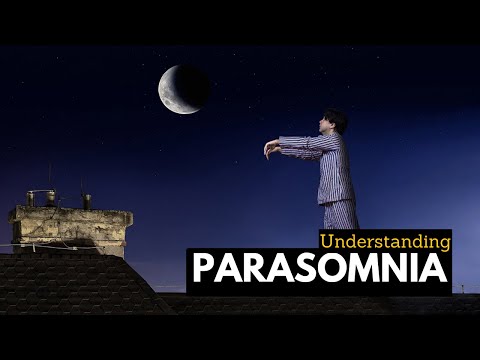
So, you ever wake up in the middle of the night, heart racing, and have no idea what just happened? Yeah, that’s something a lot of people deal with—especially with these weird sleep disorders called parasomnias.
It’s not just your typical nightmare. We’re talking things like sleepwalking, talking in your sleep, or even acting out dreams. Sounds bizarre, right? But there’s a lot happening behind the scenes.
Here’s the kicker: there are real psychological triggers that can stir up these sleep shenanigans. And trust me, understanding those can help you—or someone you know—get a grip on it.
Let me share some thoughts on what might be causing those wild nights. You might even find some familiar feelings in there!
Exploring the Three Types of Parasomnia: Sleep Disorders You Need to Know About
So, let’s talk about parasomnia. It’s this really interesting category of sleep disorders that messes with your nighttime routine, sometimes in pretty bizarre ways. You might not even know it’s happening unless someone tells you, or you wake up feeling like you just dodged a bullet.
1. Sleepwalking is one of the most well-known types of parasomnia. Imagine waking up and finding yourself in a completely different room, maybe even outside! It can be triggered by stress, sleep deprivation, or even certain medications. Picture this: a friend once told me about how she found her brother in the kitchen making a sandwich in the middle of the night—totally oblivious to what he was doing. Crazy, right?
2. Night Terrors are another wild ride. They usually occur during deep sleep and are more common in kids but can pop up in adults too. When someone experiences a night terror, it’s like they’re stuck between waking and dreaming; they might scream or show signs of extreme panic but won’t remember it the next morning. Stress and anxiety can push people into this state—like when your mind just won’t shut off after a rough day.
3. REM Sleep Behavior Disorder (RBD) is when you act out your dreams because your body doesn’t paralyze itself like it should during REM sleep. This one’s kind of scary because people might kick, punch, or even get violent while dreaming without realizing it at all! Sometimes it’s linked to other neurological conditions, and that can make things tricky.
In all these cases, psychological triggers play a big role. High stress levels can cause disruptions that lead to these odd nighttime antics—your brain’s way of processing everything that’s been happening while you’re awake.
Understanding parasomnia better helps you tackle it if it’s an issue for someone close to you—or even yourself! Each type has its quirks and causes linked to mental health struggles or life situations. If you’re witnessing something strange at night with loved ones—or even finding yourself confused about those dreams—it might be worth having an open chat about what could be triggering them.
Before jumping to conclusions though—and I mean seriously—it’s always smart to recommend talking to a healthcare professional for solid advice tailored to what they’re experiencing. That way they can get help before those bedtime adventures lead down complicated paths!
Effective Strategies to Overcome Parasomnia and Improve Sleep Quality
Alright, let’s talk about parasomnia and how you can kick those weird sleep behaviors to the curb. Parasomnia is like a catch-all term for unusual activities during sleep. We’re talking sleepwalking, night terrors, and that sort of thing. The psychological triggers behind these disorders can really mess with your sleep quality, but there are ways to handle it.
First off, stress and anxiety are usually at the top of the list when it comes to what triggers parasomnias. You know that feeling when your brain won’t shut off after a long day? It can lead to a restless night where you might start acting out your dreams or even wake up confused. Reducing stress is key! Things like meditation, gentle yoga, or even light journaling before bedtime can help quiet that inner chatter.
Sleep hygiene matters too! That basically just means creating a comfy environment and habits that promote good sleep. Here are some things to keep in mind:
- Keep your room dark and cool. Seriously, no one sleeps well when they’re sweating or blinded by light.
- Have a consistent bedtime routine—going to bed and waking up at the same time every day helps regulate your internal clock.
- Avoid screens for at least an hour before bed; blue light can trick your brain into thinking it’s still daytime.
If you’re finding that psychological factors are still playing a big role in your parasomnia, maybe talking to someone could help. Therapy isn’t just for crisis moments; sometimes just chatting about what’s bugging you can clear up some mental clutter. Cognitive Behavioral Therapy (CBT), in particular, is great for addressing those deep-rooted fears or anxieties that might be coming out while you’re snoozing.
Your diet plays a role too! Eating heavy meals right before bed isn’t going to do you any favors. Instead, try lighter snacks if you’re hungry—something like yogurt or bananas could be good options without weighing you down.
You know how sometimes we associate certain smells with calmness? Like lavender? Using aromatherapy can also help create a soothing atmosphere conducive to sleep. Just imagine snuggling into bed with the faint scent of something relaxing wafting around—you might find drifting off easier without those pesky night terrors cropping up!
If you’ve been noticing medication side effects affecting your sleep patterns too—like certain antidepressants or stimulants—definitely chat with your doctor about it; there might be adjustments that could improve things.
You’d be surprised how much simply monitoring and modifying these factors can shift things in the right direction! Keep experimenting with different strategies until you find what works best for you—it’s all about creating YOUR perfect sleep haven.
The road may feel bumpy when navigating through parasomnia challenges, but remember: you’re not alone in this journey! Sleep well is totally achievable with patience and a few smart adjustments!
Understanding Parasomnia Symptoms: Recognizing Sleep Disorders and Their Impact on Mental Health
Parasomnia’s a term that might sound strange, but it basically refers to weird stuff you do while you’re sleeping. Yeah, like sleepwalking or night terrors. These aren’t just random sleep hiccups; they can seriously mess with your mental health and daily life.
When we talk about parasomnia symptoms, there are a few common ones that pop up. Let’s break them down:
- Sleepwalking: You might get up and wander around while totally knocked out. One minute you’re dreaming, the next—who knows?
- Nightmares: Vivid, scary dreams can wake you up in a panic. Sometimes people remember them clearly; sometimes they don’t.
- Sleep talking: Ever woken someone up because they were chattering in their sleep? Yeah, that’s sleep talking! Sometimes it even sounds like a full conversation.
- Sleep paralysis: You might wake up but feel totally unable to move for a few seconds—or even minutes. This can be terrifying and sometimes comes with hallucinations.
- Bruxism: Grinding your teeth in your sleep isn’t just annoying for your partner. It can lead to dental issues and jaw pain!
So, what causes these wild nighttime behaviors? Well, it often ties back to psychological triggers. Stress is a big one—if you’re overloaded during the day, it may show up when you’re snoozing. Like that time my friend got so stressed about work that she literally found herself pacing her apartment every night! That kind of anxiety can fuel nightmares or even leave you feeling exhausted in the morning.
Another factor is **trauma**. If something really shook you up—like losing someone or going through an intense life change—that baggage may creep into your dreams or sleeping patterns.
And don’t overlook the impact of **sleep deprivation**! Not getting enough good-quality rest can elevate stress and anxiety levels, making parasomnia more likely.
Now here’s where things get tricky: these sleep issues don’t exist in a vacuum. They mess with mental health too! If you’re waking up constantly feeling like you’ve been in a wrestling match instead of sleeping, it’s bound to affect your mood during the day—like feeling irritable or foggy.
Getting help is totally doable! Speaking with professionals who get this stuff—like psychologists or sleep specialists—can help sort through what’s going on and recommend ways to manage those symptoms effectively.
Recognizing parasomnia symptoms isn’t just about getting better sleep; it’s about improving overall mental health too. So if you find yourself doing anything strange at night—or waking up feeling off—it might be time to dig deeper into what’s behind it all.
So, you know when you just can’t seem to shake off that weird feeling after waking up from a strange dream? Yeah, that’s a real thing. Parasomnia disorders are those sleep-related issues that lead to all sorts of funky behavior while you’re snoozing. It’s like you’re living in a different world for a few moments, and then BAM! You’re back in your bed, and it feels… bizarre.
I remember a friend telling me about this time they literally sat up in bed and started talking to someone who wasn’t even there! They thought it was totally normal until they realized, like, an hour later that they had actually dreamed the whole conversation. It freaked them out a bit but also made for a hilarious story over brunch the next day. But honestly? It made me think about how our minds work in our sleep.
The thing is, these parasomnia experiences—like sleepwalking or night terrors—often have roots in what’s going on in our waking lives. Stress is one of the big culprits. Imagine juggling work, friendships, family stuff… it can pile up and sneak into your dreams. Anxiety doesn’t help either; like if your mind is racing all day long, it might just carry on into your sleep and manifest as something like tossing and turning or even acting out nightmares.
But it’s not all doom and gloom! Recognizing these triggers can actually give you some power over them. Just knowing that stress is making you pop up at midnight can help you address it during the day. Maybe it’s time for some self-care or talking things out with someone close to you?
And look, not every night will be wild or crazy. Sometimes you’ll have those deep sleeps where everything feels just right—you know? But if those parasomnia episodes happen more often than you’d like, maybe consider chatting with someone who can really help untangle what’s going on upstairs.
In the end, our subconscious has its own way of processing things while we’re tucked under those blankets, so paying attention to what might be triggering those midnight adventures could lead to some more restful nights ahead. And who wouldn’t want that?