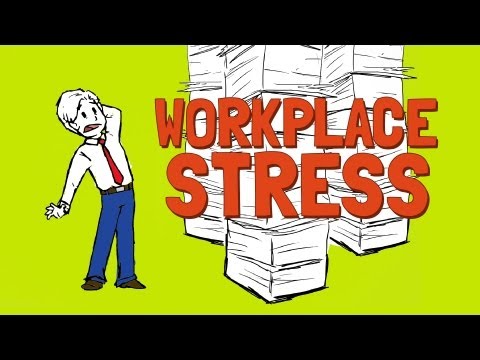
Work can be a real grind, right? Some days it feels like you’re just trudging through mud. Stress sneaks in like an unwanted guest, messing with your head.
You might be juggling deadlines, annoying coworkers, or just feeling overwhelmed. It’s all too easy to let it pile up. And guess what? You’re not alone in this.
So let’s chat about what really sparks that work-related stress. More importantly, we’ll look at ways to kick it to the curb. Sound good? Cool! Let’s dive into this messy but super important topic together!
Understanding Workplace Stress: Key Sources and How to Manage Them Effectively
Workplace stress is something many of us feel, and it can come from a bunch of different places. You might find yourself feeling overwhelmed by deadlines, dealing with tough coworkers, or just feeling trapped in a mountain of tasks. It’s totally normal to feel this way sometimes; the thing is, if it becomes too much, it can affect your mental health and overall well-being.
Key Sources of Workplace Stress
So, let’s break down some common sources of stress at work:
- Heavy Workloads: When you’ve got too much on your plate, it can be hard to breathe. Think about when you’re juggling five projects at once and every deadline feels like a ticking bomb.
- Poor Management: Bad bosses or unclear expectations can drive you up the wall. If you’re not sure what they want from you, that can lead to anxiety.
- Lack of Support: Not having enough help or resources is a huge stressor. You know when you’re stuck on something and nobody’s around to lend a hand? Frustrating!
- Toxic Work Environment: Dealing with negativity from coworkers or office politics really takes a toll. If the vibe’s off, it can make even simple tasks feel like climbing Everest.
- Poor Work-Life Balance: When work spills over into your personal time, it’s damaging. Like when you’re answering emails at midnight instead of chilling out.
Managing workplace stress is definitely doable! It just takes some awareness and action.
Effective Strategies for Managing Stress
Here are some ways to tackle that workplace stress head-on:
- Set Boundaries: Don’t be afraid to say no! If you’re overwhelmed, tell your boss or coworkers that you need to prioritize certain tasks over others.
- Time Management: Use tools like planners or apps to keep track of deadlines and appointments. Breaking things down into smaller steps can make everything seem more manageable.
- Talk About It: Seriously! Sharing how you’re feeling with someone—whether it’s a coworker or friend—can lighten your load emotionally.
- Prioritize Self-Care: Make time for activities that relax and recharge you outside work hours. Whether it’s yoga or binge-watching your favorite show; do what calms you!
- Seek Professional Help: If things are really tough and you can’t manage on your own, talking to a mental health professional can help guide you through strategies that work for you.
I remember once at my job there was this huge project due in just a few days. I felt like I was drowning in tasks with no lifeline in sight. Everyone around me was stressed out too; we were all kind of running on fumes. But then we had this chat as a team about how we could split up the responsibilities better—and boom! Suddenly things felt less chaotic.
All in all, recognizing the sources of workplace stress is key. And hey—managing it effectively makes all the difference between feeling frazzled and feeling in control! You got this!
10 Effective Strategies to Reduce Work-Related Stress and Boost Productivity
Work-related stress is, like, super common these days, and it can really get in the way of your day-to-day life. Feeling overwhelmed or anxious at work? You’re definitely not alone. But there are ways to tackle this. Let’s go over some effective strategies that can help you reduce that stress and boost your productivity.
1. Prioritize Your Tasks
It helps to know what’s important and what can wait. Start each day by making a quick to-do list, focusing on what really needs your attention first. You could use a simple app or old-school pen and paper for this.
2. Take Regular Breaks
Seriously. Sitting at your desk for hours on end isn’t the best for your brain or body. Try stepping away for a few minutes every hour. Stretch a little, take a short walk, or just breathe deeply.
3. Set Boundaries
You don’t have to be “on” all the time! Communicate with your coworkers about your availability and try not to respond to emails after work hours if that’s possible for you.
4. Practice Mindfulness
This might sound a bit fancy, but basically, it’s about being present in the moment without judgment. You could try meditation apps or just take five minutes to focus on your breathing whenever you feel swamped.
5. Stay Organized
A cluttered workspace can lead to a cluttered mind, you know? Keep things tidy; it’ll make you feel more in control and focused when you sit down to work.
6. Stay Connected
Talk it out with someone! Having a supportive coworker or friend can really help when things get tough. Sometimes just sharing what you’re feeling can lighten the load.
7. Get Moving
Exercise isn’t just good for physical health; it can boost your mood too! Even just taking the stairs instead of the elevator can help clear your head during the workday.
8. Focus on Solutions
When challenges pop up at work, instead of stressing over them endlessly, switch gears and think about solutions! This proactive approach can reduce anxiety and keep you productive.
9. Incorporate Fun into Your Day
Find little ways to make work enjoyable—play some music if it’s allowed or bring snacks to share with team members; it gives everyone something to look forward too!
10. Seek Professional Help If Needed
If stress gets too heavy and nothing seems to help, consider talking to someone who knows their stuff—like a therapist or counselor! They can offer specialized support tailored just for you.
These strategies aren’t one-size-fits-all; play around with them until you find what clicks best for you! Remember, tackling stress takes practice but is totally doable one step at a time.
Top Sources of Psychological Stress: Understanding the Key Factors Impacting Your Mental Health
So, let’s talk about something that we all face at one point or another—work-related stress. It’s a biggie when it comes to psychological stress, and honestly, it can really mess with your mental health if left unchecked. You know what I mean? It creeps in like an unwelcome guest.
First off, what exactly causes this stress? Well, there are a few major factors that often play a role:
- High Demands: Sometimes you feel like you’re juggling flaming swords with all the tasks piled on your plate. When work expectations are overwhelming, it can lead to constant pressure and anxiety.
- Lack of Control: Ever felt like you’re just going through the motions without any say in your job? A lack of autonomy can drain your motivation and increase feelings of helplessness.
- Poor Work Environment: Imagine working in a place where communication is awful or there’s too much negativity floating around. Toxic workplaces can seriously impact how you feel day-to-day.
- Poor Relationships: You know how some coworkers make you feel drained just by being around them? Stressful relationships at work can lead to conflict and isolation.
- Job Insecurity: With layoffs happening left and right, worrying about losing your job is a huge source of stress for many people.
Now, let’s dive into how these stressors actually affect us mentally and physically. You might find yourself feeling anxious or irritable more often. Some folks even experience headaches or stomach issues when the pressure mounts. I remember a friend who would get these crazy migraines every time she had to prepare for performance reviews; it wasn’t just her mind affected but her body too!
So what can we do about it? Here are some possible solutions, because nobody wants to live their life on edge:
- Open Communication: Talk to your boss or team about your workload. Expressing concerns might lead them to lighten the load a bit.
- Create Boundaries: Set clear lines between work and personal time. Sounds simple, but it’s super effective in reducing burnout!
- Cultivate Supportive Relationships: Surround yourself with positive coworkers. A good laugh here and there can be incredibly healing!
- Practice Mindfulness: Techniques like meditation or deep breathing help ground you during stressful moments.
- : If things feel overwhelming, chatting with a therapist could make all the difference in gaining perspective and coping strategies.
The thing is, work-related stress doesn’t have to define you! Recognizing the sources of that stress is step one in taking back control over your mental well-being—and that’s pretty powerful stuff!
You know, work-related stress is like that annoying itch you can’t quite reach. It creeps in when deadlines loom, when your to-do list seems to grow by the minute, or when office politics get messy. I remember a time when I felt completely overwhelmed at my job. It was as if the pressure was squeezing me from all sides. My mind raced with thoughts about not being good enough, and each email ping felt like a tiny alarm bell signaling doom.
What’s wild is that much of this stress comes from our own heads. Seriously! We often put insane expectations on ourselves, thinking we need to be superheroes who can juggle everything without breaking a sweat. But here’s the kicker: nobody’s perfect, and it’s okay to slip up sometimes.
A big source of work stress stems from feeling out of control or unsupported. For instance, maybe your manager isn’t communicating clearly or your workload is just nuts. Lack of clarity can cause anxiety—you’re left guessing what the priorities even are! And it can create this vicious cycle where uncertainty feeds frustration and burnout becomes a real threat.
So, like, what can you do about it? One thing that helps is acknowledging your feelings—seriously! When you sit with them for just a moment instead of pushing them away, it’s kind of freeing. Talking to someone about those stressors—like a co-worker or a friend—can be super helpful too. You’d be amazed at how just sharing your experience makes things feel lighter.
Then there are simple solutions that really pack a punch. Ever tried taking short breaks during the day? Just stepping outside for five minutes or even practicing some deep breathing can shift your whole mindset. Plus, setting boundaries is key; learning to say no sometimes doesn’t mean you’re slacking off—it means you’re prioritizing your mental health!
In the end, we all face work stress in different ways and it’s totally normal to feel overwhelmed now and then. But being proactive about managing it makes all the difference! So remember: you’re human—not a machine—and it’s perfectly okay to take time for yourself amidst all that craziness at work!