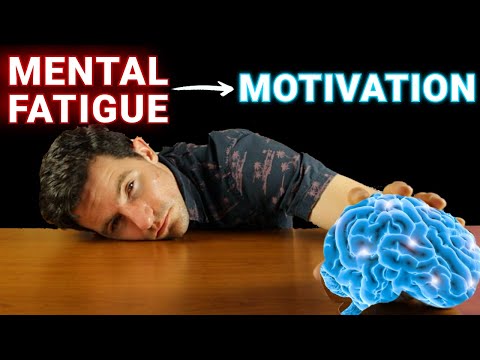
You know that feeling when your brain just feels, like, totally fried? Yeah, we’ve all been there. It’s like trying to run a marathon in your head. And it’s exhausting!
So, what’s up with that? Why does our noggin run out of steam sometimes? Well, it turns out there’s a bunch of psychological stuff going on behind the scenes.
It’s not just about lack of sleep or too much screen time—although those are definitely culprits. Seriously, brain fatigue is way more complex than we realize.
Let’s dig into the whys and hows of it all. You might find some lightbulb moments along the way!
10 Effective Strategies to Overcome Brain Fatigue and Boost Mental Clarity
Brain fatigue can hit you like a ton of bricks, right? It’s that foggy feeling where you just can’t think straight, and all you want to do is take a nap. Sometimes, it sneaks up on you after a long day of work or intense studying. But worry not! There are ways to shake off that mental tiredness and clear your head. Here’s how:
So there you have it! Brain fatigue doesn’t have to keep dragging you down into the sludge of forgetfulness and confusion. By mixing these strategies into your life—like having breaks or getting those good vibes from laughter—you’ll be giving yourself tools to boost that mental clarity when you need it most!
Understanding Neuro Fatigue: Can It Ever Fully Disappear?
Neuro fatigue is something a lot of people experience, even if they don’t know what to call it. You know that feeling when your brain just feels heavy, like you’re wading through mud? Yeah, that’s it. It can hit after a long day at work, or if you’ve been under stress for ages. The brain actually gets tired, and this can totally affect your mood and energy levels.
So, what’s going on with neuro fatigue? It’s not just about being physically tired; it’s an emotional thing too. When your brain works overtime—like when you’re juggling responsibilities or dealing with anxiety—it can lead to this mental exhaustion that doesn’t always go away with sleep. Many folks think they can “rest” their way out of it, but the thing is, it’s deeper than that.
This kind of fatigue can be tied to a bunch of psychological factors. Anxiety, depression, and stress all play a role in how our brains function. For example, when you’re anxious about a big presentation at work, your mind goes into overdrive thinking about everything that could go wrong. This constant worrying can sap your mental energy more than lifting weights at the gym!
Now let’s talk about whether neuro fatigue can fully disappear. Look, it isn’t an easy yes or no answer. For some people, with the right coping strategies like therapy or mindfulness practices, they might see huge improvements over time. But for others? Well, symptoms might just linger like an unwanted house guest.
- Understanding triggers: Recognizing what causes your fatigue is key. Is it lack of sleep? Stress from work? Social obligations?
- Coping strategies: Things like meditation or regular breaks during tasks can help manage fatigue.
- Therapy support: Working with a therapist can provide tools tailored to you that make dealing with this easier.
Real-life stories from folks who’ve experienced neuro fatigue often highlight how important self-care becomes in managing this condition. One friend of mine talked about how he hit rock bottom after burning out from his job and had to learn to say “no” more often—he actually found that taking those breaks made him way more productive in the long run.
To wrap things up: while neuro fatigue may not completely disappear for everyone, there are definitely ways to manage and reduce its impact on daily life. It’s all about finding what works specifically for you because everyone’s journey looks different!
Understanding Cognitive Fatigue Syndrome: Symptoms, Causes, and Solutions
Cognitive Fatigue Syndrome can feel like you’ve hit a wall. You know, that moment when your brain just shuts down and no matter how hard you try, things seem foggy and overwhelming. This isn’t just feeling tired; it’s like your brain has run out of juice. Let’s break down what it is, what causes it, and maybe some ways to deal with it.
First off, what are the symptoms? It can show up in various ways:
It’s pretty frustrating when your mind is cloudy, right? I mean, think about that time you were trying to study or finish a project but ended up staring at the same page for ages. That sense of frustration? Totally normal.
Now, let’s chat about what causes this whole cognitive fatigue thing. It’s not just one isolated factor; it usually comes from a mix of things:
Think back to when you’ve had one of those intense workweeks. Maybe your boss piled on way too many tasks and you barely got any sleep. By Friday night, you’re not only physically wiped but mentally spent as well. That’s cognitive fatigue in action!
So how do we tackle this? Well, there are definitely strategies to cope with cognitive fatigue. Here are some ideas:
Remember that story about my friend who started meditating? At first, she was skeptical but eventually said it helped clear her mind after long days at work. This little practice turned into her go-to break whenever she felt overwhelmed.
In the end, Cognitive Fatigue Syndrome is real and tough but managing it is possible! Recognizing when you’re experiencing symptoms is the first step toward finding balance again—and don’t hesitate to chat with someone if feelings become too heavy to carry alone! Your mind deserves some TLC too!
You ever feel like your brain’s just running on empty? I mean, seriously, some days it’s like trying to drive a car with no gas. That feeling of mental exhaustion can hit you outta nowhere, and it’s not always about how much sleep you got or whether you’ve been binge-watching your favorite show till dawn.
So brain fatigue is kinda tricky, right? It’s not just about being tired; it can also stem from stress, anxiety, or even that weird pressure we put on ourselves to constantly be productive. You know how it goes: the endless to-do lists, the emails piling up. Sometimes I find myself staring at my screen, trying to focus on one little task when my mind keeps wandering off like a kid in a candy store. Frustrating!
I remember this one time when I had so much going on—work deadlines teetering over me like an avalanche waiting to happen. My brain felt heavy, almost foggy. Every thought seemed harder to grab onto than usual. It was then I realized that my brain wasn’t just tired from lack of sleep; it was screaming for some down time!
Stress is definitely a big player in all this. When you’re constantly on edge or worrying about everything under the sun, your mind has no chance to recharge. It’s like running a marathon only to find out you’ve forgotten your water bottle—no wonder we feel drained! And let’s not forget about that pesky inner critic we all have nagging us about our performance or decisions—it doesn’t help the situation either.
Another thing? Emotions play a huge role too. When you’re feeling down or anxious, it can zap your motivation and leave you feeling mentally fried. Sometimes just feeling “meh” can make even simple tasks seem monumental.
The thing is—you gotta take care of your mental health if you want your brain functioning at its best. Breaks are essential! Even short ones! Give yourself permission to step away from whatever you’re doing and reset for a bit.
All in all, brain fatigue isn’t just about being sleepy; it’s so much deeper than that. It’s our mind’s way of telling us we need balance and care – kinda like how our bodies need nutrients and rest too! So next time you’re staring into space with that glazed look in your eyes, remember it’s okay to take a break and listen to what your head needs!