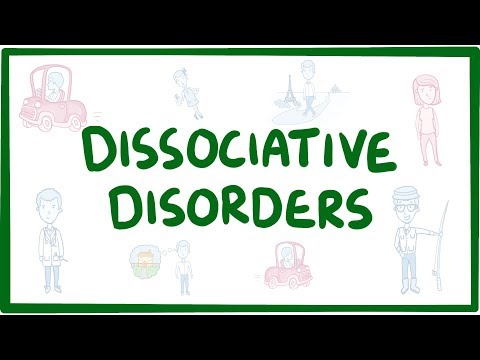
You know how sometimes you just zone out? Like, your mind drifts off, and you can’t recall what just happened? It’s kinda wild.
Dissociative amnesia takes that to a whole new level. Imagine completely forgetting parts of your life. Not just little things, but big chunks. Crazy, right?
So what really causes this? The thing is, our brains are super complex. They try to protect us from stress and trauma in ways we might not even realize.
Let’s dig into the reasons why this happens. Trust me, it’s a lot more interesting than it sounds!
Understanding Amnesia: Is It a Mental Illness or a Symptom of Something Greater?
Amnesia can be pretty confusing. I mean, one minute you’re living your life, and the next, you can’t remember a chunk of it. So what’s going on with this memory loss? Is it its own thing, like a mental illness, or does it point to something deeper? Let’s break this down.
First off, there are different types of amnesia. You’ve got dissociative amnesia, which is often tied to trauma or stress. Then there’s organic amnesia caused by physical damage to the brain—like from injury or disease. So, depending on the type you’re dealing with, the causes can vary quite a bit.
Now, dissociative amnesia usually pops up when someone has faced a distressing event—think of someone who goes through an abusive relationship or witnesses a traumatic accident. They might just block out the memories associated with that experience. It’s kind of like your brain’s way of protecting you from pain.
One thing to know is that it’s often not classified as a standalone mental illness. Instead, it’s seen more as a symptom of bigger issues like post-traumatic stress disorder (PTSD) or severe anxiety. This means if someone experiences dissociative amnesia, they might need help with those underlying problems rather than solely focusing on the memory loss itself.
So what causes this type of memory loss? Stressful experiences take center stage here. Maybe you experienced something so overwhelming—like losing a loved one or being in an accident—that your mind literally reacts by erasing those memories so you don’t have to deal with them head-on.
In terms of treatment options, therapy is usually where it’s at! A mental health professional can help process those distressing memories in safe ways. Techniques like cognitive-behavioral therapy (CBT) can be super helpful for individuals trying to cope with their emotions and maybe even recover some lost memories over time.
Also, let’s not forget about organic amnesia—it’s less about emotional distress and more about biological factors affecting brain function. Events like strokes or head injuries can lead to gaps in memory too!
But all in all, whether it’s dissociative or organic amnesia, understanding what’s going on requires digging into your past experiences and possibly even physical health issues too.
To wrap things up: if you or someone you know is struggling with amnesia—whatever its form—it’s super important to seek help from professionals who really get this stuff. They can help untangle the threads between memory loss and whatever’s causing it behind the scenes.
Remember: while amnesia can feel isolating and scary, it’s just one piece of a much bigger puzzle concerning mental health and well-being!
Understanding the Causes of Dissociative Amnesia: An In-Depth Exploration of Its Etiology
Dissociative amnesia can feel like you’ve hit the pause button on your memory, and that can be pretty unsettling. It’s not just forgetting things due to old age or stress, though; there’s a whole lot more going on under the surface. So let’s break it down a bit.
What’s Happening?
Dissociative amnesia involves gaps in memory, usually about personal information or traumatic events. It’s like your brain is saying, «Nope, we’re not dealing with that right now.» But what causes this disconnection?
Trauma
One of the main culprits is trauma. Imagine going through something incredibly distressing—like an accident, abuse, or witnessing a violent event. Your mind might just hit delete on those memories as a way to protect you from pain. For some people, it’s an instinctive response; the mind basically wants to keep you safe.
Stressful Events
Then there are those really stressful life events. Breakups, job losses, or sudden deaths in the family can pile up and overwhelm you. You might find yourself struggling to remember details of those moments because your brain just doesn’t want to revisit that hurt.
Psychological Factors
But wait—it isn’t just about external events. Psychological factors play a huge role too! Sometimes mental health issues such as depression or anxiety create a foggy haze over your memories. When you’re feeling low or anxious all the time, it’s hard to keep track of what’s happened in your life.
Coping Mechanism
Also keep in mind that dissociation itself can be seen as a coping mechanism. Like a safety valve for your emotional pressure cooker! Basically, when things get too intense emotionally, dissociation allows you to step back and disconnect from reality so you don’t feel so overwhelmed.
The Brain’s Response
Now let’s talk about neuroscience for a sec! Studies show that certain areas of the brain may become less active during dissociative episodes—like the hippocampus (the part tied closely with memory). This lack of activity can directly impact how memories are formed or recalled when you’re experiencing distress.
Cultural Contexts
Culturally speaking, how people experience and express psychological distress varies greatly across different societies. In some cultures, people might experience dissociation differently due to beliefs about mental health and trauma expression—so that adds another layer of complexity too!
In terms of recovery? It often involves therapy where individuals learn tools to process their feelings rather than avoid them—kind of like learning to open up those locked doors in your mind without fear.
So there you have it! Dissociative amnesia isn’t just random forgetfulness; it has roots deep in emotional health and human psychology. Understanding these causes helps shed light on why it happens and how people navigate their way back to remembering their lives again.
Understanding the Main Causes of Psychogenic Amnesia: Key Insights and Factors
Psychogenic amnesia, also known as dissociative amnesia, is a pretty complex experience. Basically, it’s when your brain becomes, well, overwhelmed and decides to block out memories related to stressful or traumatic events. Imagine you had a really bad car accident and suddenly can’t remember anything from right before it or even the event itself. That’s the essence of psychogenic amnesia.
Now, let’s talk about some of the main causes.
First off, it’s often rooted in severe trauma. This could be a natural disaster, abuse, or even watching something horrific happen. When these intense experiences hit hard, your mind might shut down that memory as a way to protect you. It’s like your brain saying “Nope, not dealing with that right now.”
Another major factor is chronic stress. If you’ve been under pressure for a long time—like dealing with an illness or persistent relationship issues—your mind might start to dissociate as a coping mechanism. It’s like this weird self-defense strategy that kicks in when life feels too heavy.
There’s also the element of personal history. If you’ve had past experiences with trauma or emotional neglect, you might be more prone to developing dissociative amnesia later in life. It’s almost like your brain gets trained to handle tough situations by blocking things out.
You know what’s wild? Sometimes even everyday stressors, not just big traumatic events, can lead to memory loss too. Things like moving homes, job loss, or going through a tough breakup can trigger episodes of psychogenic amnesia as well. Your brain just can’t take everything and decides it needs a break from certain memories.
Moreover, some researchers suggest that there might be a biological component at play here too. Like changes in brain chemistry due to ongoing mental health issues such as depression and anxiety could contribute to these memory gaps.
Lastly, it’s important to point out the role of social factors. If you lack support from friends or family during difficult times, that isolation can worsen feelings of disconnection from reality and lead to amnesic episodes.
So while there isn’t one single cause for psychogenic amnesia—it’s usually a mix of trauma history, stress levels and social support—the real kicker is how each individual experiences these factors differently.
In essence: if you’re feeling disconnected from past events but can’t figure out why it may have something do with those heavier aspects of life weighing down on you. And remember—understanding this condition takes time and compassion towards yourself because navigating through our emotions isn’t always straightforward!
Dissociative amnesia can seriously mess with a person’s head. It’s like when your brain just decides to hit the pause button on some pretty important memories, especially those that carry a lot of emotional weight. You know how sometimes you might want to forget a really cringy moment from your past? Well, this is way more intense.
Imagine someone who goes through a traumatic experience—like witnessing something horrible or experiencing abuse—only to wake up one day and realize they can’t remember anything about it. This isn’t just forgetting where you left your keys; it’s like losing part of yourself. What happens is, the mind tries to protect itself from overwhelming feelings by blocking out those memories. It’s pretty wild if you think about it.
Take my friend Sarah, for example. She went through a tough breakup that triggered feelings she had buried deep down from her childhood. She started forgetting small yet important details about her life—like what she did last weekend or even names of people she used to consider close friends. It was alarming for her family and friends, but honestly, she didn’t even realize how bad it got until she started talking to a therapist. Through therapy, they uncovered layers of trauma that led to this memory loss.
But not every case is as clear-cut as Sarah’s. Sometimes the roots can be tangled in anxiety or depression too. Essentially, your brain wants to keep you safe from pain, even if that means slashing away parts of your memory.
It’s crucial for people with dissociative amnesia to get support from mental health professionals who really understand this condition. Therapy can help reconnect those lost bits and pieces while creating a safe space for healing.
Honestly? The whole concept of dissociative amnesia shows just how complex our minds are and how deeply our experiences can shape us—or hide parts of ourselves away when things get too tough to bear. It’s kind of eerie but also an incredible reminder that we all have our coping mechanisms in place, sometimes even ones we don’t fully grasp ourselves!