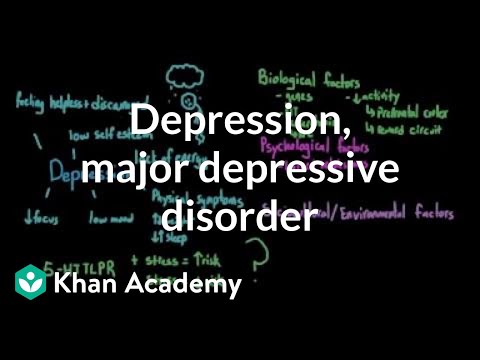
You know that feeling when you’re just… down? Like, everything feels heavy, and getting out of bed seems like climbing a mountain? Well, that’s kinda what Major Depressive Disorder can be like.
But here’s the thing: it’s not just about feeling sad. There’s a lot going on under the surface. Seriously. Our minds are complex, and sometimes they throw us curveballs we didn’t see coming.
In this piece, we’ll dig into what makes depression tick. We’ll chat about those sneaky psychological factors that can mess with your mood and motivation. So grab a comfy seat, maybe a cup of coffee or tea, and let’s get into it!
Understanding the Psychological Factors Behind Depression: Key Insights and Research
When you think about depression, it’s easy to focus on the sadness or the heavy feelings. But there’s so much more going on under the surface. Major Depressive Disorder (MDD) is a complex beast, and understanding its psychological factors can shed light on why it affects so many people.
First off, negative thinking patterns play a huge role in depression. You know those times when you just can’t shake off that voice in your head that tells you you’re not good enough? That’s a classic symptom of MDD. This pattern is often called «cognitive distortion.» People with depression tend to focus on the negative aspects of themselves and their lives while ignoring any positives. It’s like wearing glasses that only let in dark colors.
Another big factor is low self-esteem. If you constantly feel worthless or believe you’re a failure, that can contribute to or even lead to depression. Remember when your friend missed out on an opportunity at work and just spiraled? That’s a pretty common scenario. Their thoughts probably got all tangled up, convincing them they weren’t capable of anything good.
Then there’s the whole issue of stress and trauma. Life’s curveballs—like losing a loved one, going through a divorce, or facing financial difficulties—can trigger episodes of depression in some individuals. It doesn’t matter how strong someone seems; everyone has their breaking point. For instance, someone who went through childhood trauma might find themselves dealing with MDD later in life as those unresolved feelings bubble back up.
Now don’t forget about environmental influences. The people around us and our surroundings matter more than we realize. Living in a chaotic home or being surrounded by toxic relationships can contribute to feelings of hopelessness and strengthen depressive thoughts. If you’re always around negativity, it becomes tough not to pick it up like a sponge.
Social isolation is another sneaky factor that feeds into depression. Isolation can make everything feel worse; when you’re tucked away from loved ones and support systems, it’s easy for those dark clouds to settle in deep. A simple text or call from a friend can really change your perspective, but if you’re feeling alone for long stretches, it’s tougher to see the light.
Finally, let’s touch on biological connections. While we’re focusing primarily on psychology here, it’s worth mentioning that things like brain chemistry do intertwine with how we feel emotionally. Imbalances in neurotransmitters—like serotonin—can influence mood dramatically too.
This multilayered approach shows us that Major Depressive Disorder isn’t just one thing—it’s kind of like putting together different pieces of a puzzle where psychological, social, and sometimes biological factors all play their part together. Understanding these elements can help pave the way for better treatments and support for anyone struggling with this condition.
So if you or someone you know is dealing with MDD—or even just feeling down—it’s crucial to look at all these angles instead of just seeing sadness as an isolated experience. Emotions are deeply interconnected processes influenced by all aspects of our lives!
Unveiling the Causes of Major Depressive Disorder: Understanding the Factors Behind Depression
So, let’s chat about Major Depressive Disorder (MDD). It’s a heavy topic, but understanding what causes it can make it feel a little lighter. You know, there’s not just one reason why someone might slip into depression. It’s more like layers of an onion, with each layer representing different factors that contribute to the condition.
Biological Factors play a huge role in MDD. Think of it this way: our brains are made up of chemicals and neurotransmitters, right? When things like serotonin and dopamine aren’t balanced out, you can feel low or empty. Imagine trying to ride a bike with a flat tire—it just doesn’t work well. For some people, genetics also come into play; if depression runs in your family, you might be at higher risk.
Psychological Factorsare another piece of this puzzle. If you’ve ever faced trauma or chronic stress—like losing someone close to you or dealing with a tough childhood—your brain may get stuck in negative thought patterns. Seriously! Those thoughts can be powerful and really shape how you see yourself and the world around you. You start believing things like “I’m not good enough” or “Nothing will ever change.”
Then we have Environmental Factors
Another aspect is the Cognitive Factors. This is where our thinking comes into play again! If you’re prone to pessimism or have a habit of being overly critical of yourself, it can lead to feelings of hopelessness. You might find yourself thinking things like “This will never get better,” which only adds fuel to the fire.
- Lifestyle Choices: Poor diet, lack of exercise, and not getting enough sleep can impact your mood big time.
- Substance Abuse: Sometimes people try to cope with their feelings by turning to alcohol or drugs; this often makes everything worse.
- Social Isolation: Having strong social connections is crucial for mental health; without them, feelings of loneliness can creep in.
The thing is, MDD isn’t just one thing—it’s about how all these factors combine for each person differently. Like putting together pieces of a jigsaw puzzle: one piece might be biology, while another is environment, and yet another could be psychological stressors.
This complex web makes diagnosing and treating MDD so tricky sometimes! But knowing these underlying causes helps both individuals and professionals create effective treatment plans tailored specifically for them—and that’s seriously empowering.
Exploring the Key Factors That Contribute to Major Depressive Disorder (MDD)
Major Depressive Disorder, or MDD, is a really complex mental health condition. It’s not just about feeling sad for a few days; it can seriously affect the way you think, feel, and act. So what are the key factors that contribute to this disorder? Well, let’s break it down a bit.
1. Genetics play a huge role in whether someone might develop MDD. If there’s a history of depression in your family, you could be at higher risk. It’s like having that little voice in your head saying “Hey, watch out!” Even though you can’t change your genes, knowing this can help you keep an eye on your mental health.
2. Brain Chemistry is another important piece of the puzzle. Our brains are full of chemicals called neurotransmitters that influence mood and emotions—serotonin and dopamine being two big players here. If these chemicals are out of whack, it can lead to feelings of intense sadness or hopelessness.
3. Psychological Factors can also be huge contributors to MDD. Think about how we interpret situations or how we respond to stress—dysfunctional thought patterns can trap us in negativity. You might find yourself thinking things like “I’m not good enough” or “Nothing will ever get better.” This kind of thinking can create a downward spiral that makes it hard to see any light at the end of the tunnel.
4. Life Events matter too; sometimes they hit harder than we’d expect. Events like losing a loved one, going through a breakup or even changing jobs can trigger depressive episodes in people susceptible to MDD. These situations often bring about intense feelings of grief or loss which may linger and evolve into deeper depression.
5. Environmental Stressors can’t be ignored either! Living with chronic stress—like financial issues, work-related pressures, or even social isolation—can keep your mood down for longer periods than what feels normal. Picture this: you’re juggling bills every month but don’t have enough money left over to treat yourself once in awhile; it builds up over time.
Let me share an example: imagine someone named Sarah who’s always been pretty cheerful but recently went through some tough times—a layoff from work and her dog passing away within weeks of each other. The stress from being unemployed mixed with the grief from losing her best friend might snowball into MDD if she doesn’t find ways to cope.
6. Physical Health Issues also connect deeply with mental health. Chronic illness like diabetes or heart disease often contributes to feelings of helplessness and worthlessness which are typical in MDD patients; when you’re dealing with constant physical pain or fatigue, it’s easy for depressive thoughts to creep in unexpectedly.
In short, Major Depressive Disorder doesn’t just pop up outta nowhere; it usually stems from a mix of genetic predispositions, brain chemistry issues, psychological patterns, life events, environmental stressors and physical health challenges—all swirling together creating an emotional storm that feels virtually impossible to escape at times!
Major Depressive Disorder, or just depression, can feel like this heavy weight dragging you down, right? It’s not just feeling sad for a bit. It sneaks into every corner of your life. You know that feeling when you wake up and just don’t want to get out of bed? Like, everything feels pointless. That’s depression for so many people.
So what’s going on in our heads when we experience this? Well, there are a bunch of psychological factors that contribute to it. One biggie is how we think about ourselves and the world. Let’s say you trip during a presentation at work and you instantly hear that negative voice in your head telling you you’re a failure. If you keep feeding into those thoughts, it can spiral into feelings of worthlessness or hopelessness. That negative self-talk is a killer.
And then there’s the whole thing about how we cope with stress. Some folks have great coping mechanisms—like talking things out or exercising—while others might turn to unhealthy habits. Imagine someone who feels overwhelmed and just isolates themselves instead of reaching out to friends or family. That isolation can be super toxic, amplifying those depressive feelings.
Another factor is early life experiences. You know, childhood trauma or neglect can leave some serious scars on our mental health as adults. It’s like trying to build a house on a shaky foundation; no matter how much you try to fix things later on, that instability can lead to problems down the road.
I remember chatting with a friend who went through some tough times growing up. She told me about how her parents never really showed affection or support, which left her feeling alone and unwanted for years. Even after she grew up and became successful at work, she struggled with depression because those early feelings stuck with her like gum on the bottom of your shoe.
Biological factors play a role too; it’s not all about thoughts and feelings. Sometimes it’s about chemistry in the brain—like neurotransmitters acting all wonky, messing with mood regulation.
So yeah, Major Depressive Disorder isn’t just one thing; it’s kind of like this puzzle made from different pieces coming together: thoughts, coping strategies, upbringing—all swirling around in our minds and hearts. And understanding these psychological factors can be the first step toward healing іf someone is brave enough to seek help because nobody should face that heavy darkness alone.