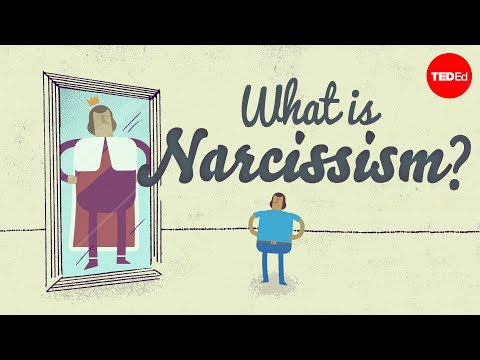
So, have you ever met someone who just seems to think they’re the center of the universe? Like, everything is about them? Yeah, that’s pretty classic narcissism.
Narcissistic Personality Disorder—sounds heavy, right? But it’s way more common than you might think. Seriously. There are a ton of people out there who fit the bill without even realizing it.
It’s like this weird mix of confidence and insecurity. You’d almost feel bad for them if they weren’t so self-absorbed! But what’s really going on in their heads? What makes someone tick that way?
Let’s dig into the psychological stuff behind it all. You might be surprised at what you find!
Understanding the Psychological Factors Behind Narcissistic Personality Disorder (NPD)
Narcissistic Personality Disorder, or NPD for short, is a complex condition. It’s not just about being self-centered or vain. The psychological factors behind it run deeper than that. Let’s break it down.
1. Early Relationships: Often, people with NPD had challenging early relationships. Maybe they grew up in a home where love was conditional—like, “I’ll only love you if you succeed.” This can lead to feelings of inadequacy and a desperate need for validation.
2. Insecurity: Underneath that grandiose exterior lies a lot of insecurity. These folks often use their perceived superiority as a shield against fears of failure or being rejected. So when they brag about themselves, it might be more about masking those insecurities than true self-confidence.
3. Overvaluation during Childhood: Some people develop NPD because they were overly praised as children but lacked real emotional support. Like, if someone got told they were the best at everything without any room for criticism, they might believe they’re untouchable later in life.
4. Coping Mechanism: For many with NPD, it’s like creating an armor against vulnerability and disappointment. They might go through life thinking the world owes them something because they’ve been taught to see themselves as special or unique.
5. Social Environment: Society plays a role too! We live in an age where individual accomplishments are constantly celebrated online, pushing some to cultivate narcissistic traits just to fit in and get attention.
Life can feel really lonely sometimes for these individuals because deep down, there’s that fear of connection and rejection looming over them like a dark cloud.
Think about someone who constantly seeks admiration but is never satisfied despite all the compliments they receive—this is often the cycle people with NPD find themselves trapped in.
Understanding these factors can help us feel more compassionate toward those struggling with narcissism while also recognizing the importance of setting boundaries when needed. It’s all interconnected—you know?
Understanding the Link Between Trauma and Narcissistic Personality Disorder
Trauma and Narcissistic Personality Disorder (NPD) might seem like an unlikely pair at first, but there’s actually a pretty intricate link between them. So, let’s break it down a bit.
First off, NPD is not just about wanting to be the center of attention or showing off. It goes deeper. People with narcissistic traits often struggle with self-esteem issues that stem from earlier traumatic experiences. They may have faced neglect, abuse, or even inconsistent parenting when they were younger.
Trauma can mess with your head. Think of it this way: imagine growing up in a home where love felt conditional or where validation was rare. You might end up feeling like you’re not enough. This can lead to a defense mechanism where you build up an inflated self-image to cover those deep-seated feelings of inadequacy. It’s like putting on a mask; you want the world to see someone confident and strong, while inside it’s a different story.
Here are some key points on how trauma links to NPD:
Okay, so let’s talk about emotions for a second here. Picture someone who was always praised when they succeeded but ignored during hard times. They might grow into adults who crave admiration but struggle when things go wrong because it forces them back into that space of feeling unworthy and alone.
It’s also important to remember that while trauma can contribute to developing narcissistic traits, it doesn’t mean every traumatized person will become narcissistic. Factors like personality type and overall environment play huge roles too.
In the mental health field, understanding this connection helps therapists tailor approaches better suited for their clients dealing with NPD rooted in trauma history. Talking through those early experiences—like peeling an onion—can help reveal inner wounds and promote healing.
So yeah, trauma and NPD are linked in ways many people don’t instantly recognize! By understanding this relationship better, we can work toward healthier coping strategies and more fulfilling connections with others.
And if you or someone you know is navigating these waters? Seeking support from a mental health professional could make all the difference on that healing journey!
Understanding the 9 Criteria for Narcissistic Personality Disorder: A Comprehensive Guide
Narcissistic Personality Disorder (NPD) sounds pretty intense, right? It’s one of those mental health conditions that can really mess with relationships and how someone views themselves and the world. The criteria for NPD come from the Diagnostic and Statistical Manual of Mental Disorders, or DSM-5 for short. This guide gives a breakdown of the nine main criteria used to diagnose someone with this disorder. Let’s dig into it.
1. Grandiosity: People with NPD often have an inflated sense of their own importance. Like, they’re convinced they’re unique or special, maybe even better than everyone else. They might say they deserve more attention or admiration and expect others to recognize their superiority.
2. Preoccupation with Success: Ever met someone who’s always talking about becoming rich or famous? That’s a classic sign! They can’t help but fantasize about unlimited success and power, usually to the point where they lose touch with reality.
3. Believing They Are Unique: This isn’t just confidence; it’s like a deep conviction that no one understands them unless they’re also “special.” You know those folks who think only certain people can relate to their struggles? That’s part of it.
4. Requiring Excessive Admiration: Narcissists need validation—like a plant needs sunlight! If they don’t get enough attention or praise, it can seriously throw them off balance.
5. Sense of Entitlement: This one’s tricky because everyone feels entitled sometimes, right? But for someone with NPD, it’s like they think they’re deserving of special treatment all the time—like skipping the line just because they’re them.
6. Being Interpersonally Exploitative: They might take advantage of others to achieve their own goals without concern for how it affects those people. Think about someone who uses friends simply to climb up the social ladder—it often leaves a trail of hurt feelings behind.
7. Lacking Empathy: There’s not much room for understanding other people’s feelings in a narcissist’s world. They struggle to empathize, which means they have a hard time connecting with others emotionally.
8. Envying Others or Believing Others Envy Them: This is where things get even messier! They might constantly feel envious toward those who appear more successful or attractive while also believing that everyone else is just as jealous of them.
9. Showing Arrogant Behaviors: Ever notice someone strutting around like they own the place? That’s your classic narcissistic behavior—often dismissive or sneering towards others as if they’re beneath them.
Now, you might be wondering why these criteria matter at all? Well, recognizing these traits helps in understanding how NPD affects both the person experiencing it and those around them—you know? Relationships can get pretty strained when one person sees themselves as superior while downplaying others’ feelings.
Let me tell you about Jenna; she was charming and could light up a room but struggled deeply with maintaining friendships because she rarely acknowledged anyone else’s needs—everything had to revolve around her plans! So you see, this disorder doesn’t just impact the individual; it sends ripples through their whole social circle too.
In essence, these nine criteria give us insight into what drives NPD behaviors and help identify when someone might be exhibiting these patterns seriously enough to seek help—or maybe even reflect on their own behavior if needed! It doesn’t define them completely but sheds light on some complex psychological stuff going on underneath the surface.
Narcissistic Personality Disorder (NPD) isn’t just a fancy term for someone who loves themselves maybe a bit too much. It’s actually a complex condition tangled up in deep-rooted psychological stuff. You know, it’s not as simple as someone just being self-absorbed. There are layers to this whole thing, and it often comes from childhood experiences, feelings of inadequacy, and the need for validation.
Imagine growing up with parents who constantly critiqued you or praised you only when you achieved something stellar. That’s tough, right? You might feel like love is conditional and wrapped up in performance. So what do you do? You build this wall of self-importance to protect yourself from feeling vulnerable. It’s like crafting an armor made of over-the-top confidence while inside, you’re a bundle of insecurities.
You see this playing out in everyday life too. Maybe you’ve met someone who seems charming and confident at first but then becomes defensive or angry if they feel criticized or rejected. It’s that fragile self-esteem under all the bravado that makes them react like that. They need constant admiration because anything less makes them feel small and unworthy.
And let’s not forget the role of social media these days! With everyone showcasing their perfect lives online, it can really fuel those narcissistic tendencies even more—it sets the stage for comparison and validation through likes and followers. So for some, the thirst for attention gets even stronger.
But here’s where it gets tricky: they often struggle with genuine connection and relationships because pushing people away becomes their survival tactic. Imagine wanting to be loved but pushing away anyone who tries to get close because you fear intimacy or rejection—that’s a painful loop to be stuck in.
In therapy settings, tackling NPD can be tough but not impossible! It usually involves peeling back those layers, addressing past hurts, and learning healthier ways to cope with feelings of inadequacy and fear of rejection. It takes time—like planting seeds in a garden—you’ve got to nurture them patiently before they bloom into something beautiful.
Look, no one is perfect; we all have our quirks and flaws! NPD might seem distant or removed from what many experience daily, but understanding these psychological factors can help bring empathy into the mix too. After all, at the core is a person just trying to navigate life the best way they know how—even if it comes across as selfish sometimes.