Hey, so let’s talk about something that doesn’t always get the spotlight but is super important: psychopathology. You know, it’s the fancy term for when our minds don’t work quite right.
Life can throw some pretty heavy stuff at us. And sometimes, those experiences shape us in ways we don’t understand. Like, why does one person cope with trauma and come out okay while another really struggles?
It’s complicated! There are all these causes at play, like biology, environment, and even social factors. So many layers! You might be wondering how all this fits together.
Let’s unpack it together. It’s a wild ride through our brains and hearts. Ready?
Exploring the Root Causes of Psychopathology: Unraveling Mental Health Disorders
Mental health disorders, or psychopathologies, can often feel like an overwhelming puzzle. But if we start exploring their root causes, we might find a bit of clarity. This journey reveals that there’s no single cause for mental health disorders. Instead, it’s a complex mix of genetic, biological, environmental, and psychological factors that all come into play.
Genetics is one significant piece of the puzzle. If mental health issues run in your family, you may have a higher risk. It’s like inheriting traits—some people are more predisposed to certain conditions just because of their genes. Picture this: if your parent has depression, you might be more likely to experience it too.
Next up is biology. The brain is like this super complex machine with neurotransmitters—those are chemicals that help transmit messages between cells. If these chemicals are out of balance, it can lead to various disorders. For example, people with anxiety often have lower levels of serotonin, which helps regulate mood and anxiety.
Then there’s the environment. Life experiences can shape our mental health in huge ways. Growing up in a chaotic household? Experiencing trauma? These factors can impact the development of mental health conditions later on. It’s kind of like how some plants thrive in sunlight while others don’t; our environment plays a huge role in how we grow emotionally.
Another critical factor is psychological aspects. Our thought patterns and coping mechanisms matter too! People with negative thought patterns or who have poor coping strategies may be more susceptible to developing certain mental health issues. Remember when a friend keeps saying they’re not good enough? That kind of thinking can wear them down over time.
Cultural elements can’t be ignored either. How society views mental health affects whether people seek help or feel ashamed about their struggles. In some cultures, talking about feelings might not be the norm at all! This lack of open communication can hinder people from getting the support they need.
Lastly, let’s not forget about life stressors. Major life changes like losing a loved one or going through a divorce can trigger mental health issues—even if someone seemed perfectly fine before! Stress acts as fuel for underlying vulnerabilities that may blow up into full-blown disorders if not addressed properly.
In summary, understanding the roots of psychopathology is crucial in tackling mental health disorders effectively. It’s all intertwined—a web made up of genetics, biology, environment, psychology, culture, and stressors woven together over time. The thing is: everyone’s experience is different! By piecing together these elements in someone’s life story, therapists aim to provide tailored support that fits individual needs. And remember; you’re not alone on this wild ride called life!
Understanding Psychopathology Disorders: Types, Symptoms, and Treatment Options
Psychopathology disorders, or simply mental disorders, are a pretty broad topic in psychology. They include all sorts of conditions that affect your mood, thinking, and behavior. It’s important to understand that these disorders don’t just exist in a vacuum; they’re influenced by various factors like genetics, environment, and personal experiences.
When we talk about **types of psychopathology disorders**, we’re looking at categories like:
- Anxiety Disorders: These involve excessive fear or worry. Think generalized anxiety disorder or panic disorder.
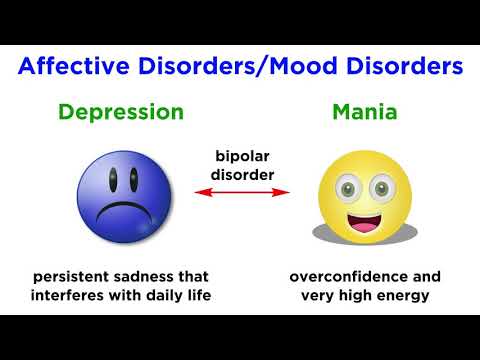
- Affective Disorders: This includes major depression and bipolar disorder. Your mood swings can be all over the place here.
- Personality Disorders: Folks with these disorders may have rigid patterns of thinking and behavior. Borderline personality disorder is one example.
- Psychotic Disorders: This category includes schizophrenia where people might experience hallucinations or delusions.
- Obsessive-Compulsive Disorder (OCD): It’s not just about being tidy! People with OCD often struggle with intrusive thoughts and compulsive behaviors.
The **symptoms** can vary widely depending on the type of disorder. But some common signs you might notice include:
- Changes in Mood: Feeling down for long periods or having extreme highs and lows.
- Anxiety: Constant worrying, restlessness, or feeling on edge.
- Difficulty Concentrating: Trouble focusing on tasks or remembering things well.
- Withdrawal: Pulling away from friends, family, or activities you once enjoyed.
- Physical Symptoms: Sometimes mental health issues show up as headaches or stomachaches.
As for **treatment options**, they’re pretty varied too. Most often, people benefit from a combination approach:
- Therapy: Forms like cognitive-behavioral therapy (CBT) can help change negative thought patterns and behaviors. It’s pretty effective for many mental health issues!
- Medication: Depending on the disorder, medications like antidepressants or antipsychotics might be prescribed to help regulate brain chemistry.
- Lifestyle Changes: Regular exercise, a healthy diet, and good sleep can make a huge difference in managing symptoms. Seriously!
Let me throw in a quick anecdote: I remember when my friend Jenna was going through severe anxiety. She felt trapped in her own mind—constantly worried about everything from school to personal relationships. After talking to a therapist and working on some coping strategies through CBT, she started to see things differently. It wasn’t lightning fast; it took time! But eventually, she felt more in control and less overwhelmed.
In understanding psychopathology disorders, it’s crucial to remember that recovery is possible! You’re not defined by your diagnosis; you’re more than that label! There are pathways to feeling better out there if you reach out for help when you need it—seriously important stuff!
Understanding the Differences: Psychopathology vs. Psychology Explained
and psychology are terms that often get tossed around, and honestly, they can be quite confusing. But knowing the difference is pretty crucial if you want to grasp how mental health works. So, let’s break it down.
Psychology is essentially the study of the mind and behavior. It covers a wide range of topics, from how we think and feel to why we behave the way we do. Psychologists dig into everything—like emotions, social interactions, learning processes, and even how our brains work.
Now, in contrast, psychopathology zeroes in on mental disorders and their symptoms. It looks at what happens when psychological functioning goes awry. You can think of it as a part of psychology that deals specifically with diagnosing and treating mental illnesses.
One way to look at it: imagine psychology as a huge umbrella that covers all aspects of human experience while psychopathology is like a specialized section beneath that umbrella focusing strictly on issues like depression or anxiety disorders.
So what causes psychopathological conditions? Well, there’s no one-size-fits-all answer. It’s usually a mix of several factors including:
- Genetics: Some folks might have a family history of certain mental health issues.
- Environment: Trauma or chronic stress can play a massive role in developing these conditions.
- Chemical Imbalances: Changes in neurotransmitters can also lead to problems; for example, low serotonin levels are often linked to depression.
- Psycho-social Factors: Your social support system—or lack thereof—can seriously impact your mental well-being.
For instance, let’s say you’ve got someone who has major depressive disorder (which falls under psychopathology). They might be dealing with genetic predisposition (like if their mom struggled with it too), combined with life stresses such as losing a job or going through a breakup. See how complex it can get?
Understanding these differences allows us to better approach mental health issues. If you’re studying psychology broadly but want to focus on specific disorders later on, knowing about psychopathology will really help sharpen your focus.
In essence, while both fields overlap quite a bit—after all both deal with human thought and behavior—they serve different purposes in understanding mental health. And being aware of this distinction can make all the difference if you’re seeking help or simply trying to wrap your head around your own experiences!
Alright, let’s chat about psychopathology and what leads to mental health issues. So, when we talk about psychopathology, we’re diving into the study of mental disorders. But really, it’s more than just big terms or labels; it’s about understanding what makes people tick—or not tick—in some cases.
You know, life is messy. People face all kinds of stuff that can mess with their heads: trauma, stress, even genetics. Like, I remember a friend who went through a rough patch after losing someone close to them. It changed them in ways they didn’t expect. They started feeling anxious all the time and pulling away from friends. That’s the kind of thing that can trigger deeper emotional struggles.
Biological factors play a role too. Some folks might have a family history of mental health issues. It doesn’t mean you’re destined to have problems, but it can make things a bit trickier for some people. Then there’s the whole environment factor—growing up in a tough neighborhood or having parents who are always at each other’s throats can leave scars that show up later as anxiety or depression.
And hey, let’s not forget how our thinking patterns come in play! If someone constantly thinks negatively or feels hopeless? That can spiral into something like depression pretty quickly. It becomes this cycle that’s hard to break.
So yeah, when you put it all together—biological stuff, life experiences, social influences—it paints this complicated picture of why someone might struggle with their mental health. It shows us that there isn’t one clear-cut reason why people deal with these challenges., but rather an intricate web of factors.
It makes you realize how important it is to be compassionate with ourselves and others because everyone has their battles. And knowing this helps us support those who are facing their own struggles— after all, we’re all just trying to figure things out one day at a time!