You know that feeling when you just can’t shake off the blues? It’s like there’s a heavy blanket draped over your shoulders, and no matter how hard you try, it just won’t budge.
Well, let me introduce you to something called Cognitive Behavioral Therapy, or CBT for short. It sounds fancy, but really, it’s all about changing the way you think.
Imagine swapping out those negative thoughts for something a bit brighter. Pretty cool idea, right? CBT helps folks figure out how their thoughts and feelings are tangled up together—and trust me, untangling that mess can really make a difference.
So if you’ve been feeling down in the dumps and wondering what might help lift that weight off your chest, stick around! There’s a lot to chat about when it comes to CBT and depression. Who knows? You might find some hope in there!
Downloadable PDF Guide: Using Cognitive Behavioral Therapy for Effective Depression Management
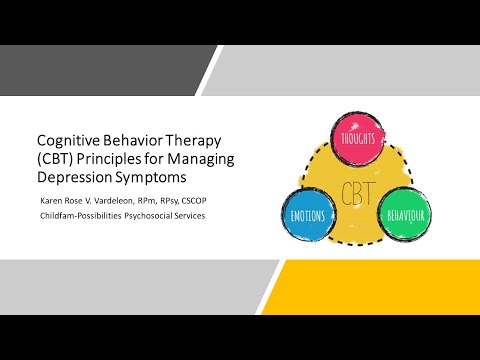
Cognitive Behavioral Therapy, or CBT for short, is one of those things people talk about when they mention **managing depression**. It’s a therapy that focuses on how your thoughts, feelings, and behaviors interact. The idea is simple: if you change the way you think about things, you can change how you feel and act.
When you’re feeling low, your brain can go into overdrive with negative thoughts. You might find yourself thinking things like, “I’m not good enough,” or “Nothing will ever get better.” CBT helps you challenge those beliefs. You learn to spot what’s going on in your mind and then question it. It’s kind of like being your own detective!
So here are some key points about CBT and how it helps with depression:
- Identifying Negative Thoughts: You start by identifying unhelpful thoughts. You might write them down to see how they affect your mood.
- Recognizing Patterns: Many folks fall into patterns of thinking that keep them stuck. CBT helps break these cycles.
- Reframing Thoughts: Once you’ve spotted the negative thoughts, you work on reframing them into more balanced perspectives.
- Behavioral Activation: Sometimes it’s just about getting moving. You make a list of activities that usually lift your spirits and commit to trying them again.
- Building Coping Skills: CBT equips you with skills to handle tough situations differently—basically giving you tools to manage stress better.
You know what’s interesting? A lot of people think therapy is all about talking about feelings endlessly. But with CBT, there’s action involved! You’re not just sitting there; you’re working through problems in real time.
For example, when I was feeling overwhelmed by anxiety and depression (trust me, it happens), I learned to keep a thought journal as part of my sessions. Whenever something negative popped into my head—like “I’ll never be happy again”—I would write it down. Then I’d go back later and ask myself questions like: “Is this thought really true?” or “What evidence do I have for this?” It was pretty eye-opening!
Now, some folks find that using a downloadable PDF guide can be super helpful for keeping track of their progress or learning the basics of CBT techniques. These guides often include worksheets for documenting moods or challenges and provide exercises tailored specifically for battling those pesky negative thoughts.
In essence, using **Cognitive Behavioral Therapy** is like having a toolkit for your mental health journey. Whether you’re facing everyday stressors or deeper issues related to depression, this approach gives you strategies to manage life more effectively.
So if you’re considering picking up that PDF guide about CBT, know it’s not just another piece of paper—it could really turn out to be a game changer in understanding and managing your emotions better.
10 Effective Cognitive Behavioral Therapy Examples to Transform Your Mental Health
Cognitive Behavioral Therapy, or CBT for short, is like a toolkit for your mind. If you’re feeling down or stuck in negative patterns, it can help shift your thoughts and behaviors in a positive direction. The cool thing about CBT is that it’s really practical. It doesn’t just sit around talking about feelings; it’s about taking action.
Let’s break down some effective CBT techniques you might find useful for managing depression:
The beauty of CBT is its flexibility; tailor these techniques to fit what feels right for you! And remember, change takes time, so be patient with yourself as you explore these strategies.
Like many things in life, managing depression isn’t just a one-and-done gig; it’s an ongoing process—and using CBT methods can be like having a buddy right there with ya along the way!
Effective CBT Techniques for Managing Depression: A Comprehensive Guide
Cognitive Behavioral Therapy, or CBT for short, is a powerful tool for managing depression. The core idea behind CBT is pretty simple: your thoughts, feelings, and behaviors are all connected. So if you’re feeling down, it could be because of negative thought patterns that you can actually change. Let’s break down a few effective CBT techniques to help you or someone you know tackle depression.
Identify Negative Thoughts
The first step in CBT is recognizing those pesky negative thoughts that creep in during tough times. Sit down with a journal and start jotting down your feelings. When you’re feeling low, write down what pops into your head. For example, if you think «I’ll never be happy again,» challenge that thought! Ask yourself if it’s really true or just your brain playing tricks on you?
Cognitive Restructuring
Once you’ve identified those thoughts, it’s time to shake things up with cognitive restructuring. This means replacing negative thoughts with more balanced ones. If you catch yourself thinking “I failed at my job interview,” try flipping it to “I can learn from this experience and do better next time.” It’s about finding *that* middle ground where your thoughts are realistic but not harshly critical.
Behavioral Activation
Now let’s talk action! Sometimes when we’re feeling depressed, we withdraw from activities we used to enjoy. But guess what? Engaging in these activities can really lift your mood. Make a list of things you like—like going for walks, reading a book, or hanging out with friends—and set small goals to do them. Even just taking a short walk outside can spark a change in your mood!
Problem Solving Skills
Life throws curveballs at us all the time—work stress, relationship issues; the list goes on! With CBT, you learn how to break down these problems into manageable steps instead of feeling overwhelmed by everything at once. Start by identifying the issue clearly and brainstorm potential solutions without judging them too harshly at first.
Mindfulness and Relaxation Techniques
Mindfulness helps keep you grounded in the present moment instead of spiraling into negative thoughts about past or future events. Techniques like deep breathing or progressive muscle relaxation can be helpful here; they calm your mind and body so you’re better able to deal with those nagging thoughts when they show up.
Achieving Goals
Setting specific and achievable goals is another key part of CBT. Think SMART: Specific, Measurable, Achievable, Relevant, Time-bound goals help give you direction and purpose. For instance, instead of saying «I want to feel better,» try «I will go for a 15-minute walk three times this week.»
Incorporating these CBT techniques into daily life doesn’t mean you’ll magically feel great overnight—but it’s about creating a toolbox filled with strategies that empower you to take charge of your mental health over time.
So there you have it—CBT techniques that can help manage depression effectively! Remember that it’s all about progress rather than perfection; even small changes can lead to significant shifts in how you feel about life.
Cognitive Behavioral Therapy, or CBT as it’s often called, really plays a significant role when we’re talking about managing depression. You see, depression can feel like you’re stuck in this heavy fog, and it’s hard to see a way out. CBT helps you clear that fog, bit by bit. It focuses on how your thoughts influence your feelings and behaviors.
Like, imagine you’re going through a tough time and your brain’s telling you things like «You’ll never be happy again» or «No one cares about you.» That negative self-talk? It can really drag you down even more. What CBT does is help you catch those thoughts and challenge them. It’s like having a little coach in your head saying “Wait a minute! Is that really true?”
I’ve heard stories from friends who’ve tried it. One told me about his struggle with getting out of bed every morning. He felt hopeless for months, but then he started seeing a therapist who used CBT techniques with him. At first, it was tough to face those dark thoughts, but slowly he learned to reframe them. He began recognizing that he had some control over how he viewed his situation.
In therapy sessions, they worked on setting small goals together—like just getting up to shower or taking a short walk outside. Each tiny victory gave him momentum to tackle the next thing. And over time, the fog started lifting!
Another interesting part of CBT is that it’s not just about the mind; it also incorporates actions into healing. So if you’re feeling down and isolate yourself from friends, CBT encourages you to reach out and connect instead! This shift in behavior really amplifies the positive changes in thinking.
So basically, what’s great about CBT is its practical approach—it gives you tools you can use right away instead of just talking about feelings without any action steps or clear direction. It feels empowering when you’re able to take charge like that.
CBT isn’t magic; it’s not gonna make all your problems disappear overnight. But for many people dealing with depression, it becomes this lifeline—a way to make sense of their thoughts and feelings while gradually finding joy again in life’s little moments. And honestly? That’s pretty powerful stuff!