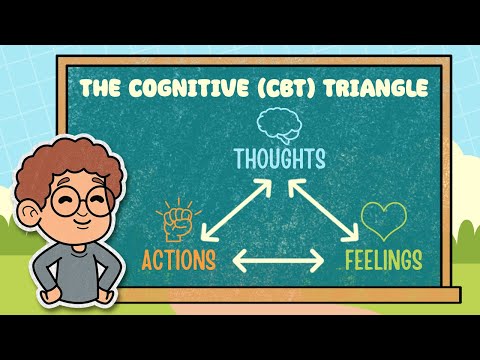
You know how when you’re in therapy, sometimes it feels like you’re just scratching the surface? Like, you talk about stuff, but then what? That’s where CBT homework comes in.
It’s not just busywork. Seriously, it’s so much more. It helps you take those big ideas from the session and actually apply them to real life.
Imagine having a little guide to help you through those tough moments. Get this: it can be a game changer! You start seeing progress, feeling more in control.
So let’s chat about how effective CBT homework can help your mental health grow. Are you ready?
Essential CBT Techniques: Downloadable PDF Guide for Mental Health Improvement
Cognitive Behavioral Therapy, or CBT, is like a powerful toolkit for your mind. If you’re looking to improve your mental health, it’s got some seriously effective techniques that can help shift how you think and feel. So let’s break down the essentials.
Identify and Challenge Negative Thoughts
One of the core principles of CBT is recognizing those pesky negative thoughts. You know, those little voices in your head that say you aren’t good enough? The goal here is to spot them and challenge their validity. For example, if you think, “I always mess things up,” try asking yourself, “Is that really true?” Maybe you’ve succeeded in the past! This process helps reduce anxiety and boosts self-esteem.
Behavioral Activation
Sometimes, when life feels heavy, we tend to withdraw from activities we used to enjoy. But jumping back into those activities can be really beneficial! If you used to love painting but haven’t touched the brush in months, setting small goals can get you moving again. Start with just five minutes! It’s about creating a positive feedback loop—activity leads to happiness.
Exposure Therapy
This technique can feel a bit uncomfortable at first. Basically, it involves gradually facing your fears in a controlled way. Let’s say you’re terrified of speaking in public. You might start by practicing speaking in front of a friend. Slowly increasing exposure helps reduce fear over time until it becomes more manageable.
Cognitive Restructuring
This one’s about transforming distorted thinking patterns into healthier ones. Think of it as training your brain to think more rationally! If your mind jumps to worst-case scenarios all the time—like a simple mistake leading to disaster—you can practice reframing these thoughts into something more balanced.
Coping Strategies
You need tools when things get tough! Learning coping strategies like mindfulness and deep breathing can make a big difference during moments of distress. For instance, when feeling overwhelmed, taking slow breaths or focusing on what’s around you can ground you and alleviate anxiety.
So where does all this fit into homework? Well, effective CBT homework basically reinforces what you’ve learned during therapy sessions. It allows you to practice these techniques outside the therapist’s office.
And remember: having accessible resources—like a downloadable PDF guide—can be super helpful for tracking your progress and keeping everything organized!
In a nutshell, CBT is all about taking control of your thoughts and actions for better mental health outcomes. Try using these techniques at home; they’re designed for everyday life as much as they are for therapy sessions! Embrace the journey—it’s totally worth it!
Download Free CBT Worksheets PDF: Enhance Your Mental Health Journey
CBT, or Cognitive Behavioral Therapy, is like having a mental toolkit for tackling everyday challenges. It’s super practical and helps you address negative thoughts and behaviors head-on. In this journey, worksheets can be a game changer. They’re not just papers; they’re tools that guide you through the process.
Once you get into CBT, you might notice there’s a lot of emphasis on homework assignments. These typically help reinforce what you’ve learned in therapy sessions. By engaging with worksheets, you can practice identifying those pesky negative thought patterns. For example, if you’re feeling anxious about an upcoming event, there’s likely a worksheet that prompts you to write down what you’re thinking. That way, you can see if those thoughts are really as scary as they seem.
Worksheets often focus on various areas like:
So say you’re stressed about work deadlines. You might fill out a worksheet that helps break down your tasks into smaller steps. Suddenly, that overwhelming project feels way more manageable! And when you’ve completed these sheets regularly, it’s like keeping a mental check-up routine.
Now, the cool part? You can usually find free CBT worksheets online in PDF format. Just download them—no fuss! Having these resources at your fingertips keeps everything organized and accessible for when you’re feeling overwhelmed.
Although it may feel tempting to skip homework sometimes (we all have those days), staying consistent with these worksheets can seriously enhance your understanding of yourself. The more you practice using them, the easier it gets to catch those spiraling thoughts before they take over.
In the end, whether it’s anxiety about relationships or stress from work, applying what you’ve learned through these worksheets builds a solid foundation for mental health growth. So dive in! Grab those free PDFs and watch how they enrich your mental health journey day by day.
Transform Your Mind: 3 Uplifting CBT Exercises for Improved Mental Well-Being
Sometimes, you just need a little boost to get your mind in a better place, right? Cognitive Behavioral Therapy (CBT) is all about changing the way you think and behave to lift your mood. So, let’s chat about three uplifting CBT exercises that might help improve your mental well-being. These aren’t magic tricks, but they can seriously change things up for you.
1. The Thought Diary
This is basically a journal where you jot down your thoughts, especially when you’re feeling low. It doesn’t have to be fancy—just something simple. When you notice negative thoughts popping up, write them down along with how they make you feel.
You might think, “I’ll never get that job,” and that puts a damper on your mood. So, write it! Then ask yourself: “Is this thought true?” or “What evidence do I have?” By challenging those spiraling thoughts, it helps lift some of that heaviness off your shoulders.
2. Gratitude Listing
Sounds cheesy? Maybe a little! But seriously, taking time each day to recognize what you’re thankful for can brighten up even the dullest days. Grab a piece of paper and list
you’re grateful for that day—no matter how small they are.
Maybe it was that delicious cup of coffee or chatting with a friend who makes you laugh. Writing these down can shift your focus from what’s going wrong to what’s actually good in your life right now.
3. Behavioral Activation
This one’s all about getting out there and doing things you enjoy—or even just doing things! When we’re feeling down, our motivation takes a nosedive. But by scheduling enjoyable activities into your week—even if it’s just a walk or binge-watching a favorite show—you start to break that cycle of sadness.
Think of something you’ve always enjoyed but haven’t done in ages—like painting or going to the movies—and just commit to doing it! Write it on your calendar so it’s harder to bail on yourself.
The thing is, mental well-being isn’t always straightforward. It’s like riding waves—you’re gonna have ups and downs. But having these exercises in your back pocket can help steer things back when they start getting wavy again.
So give them a shot! You might find that by transforming those pesky thoughts and adding some positivity into the mix, you’ll feel lighter overall. That’s really what it’s all about—finding ways to cultivate happiness in our everyday lives.
Alright, so let’s chat about CBT, or Cognitive Behavioral Therapy, and this whole homework thing. You might be thinking, seriously? Homework? But hear me out—it’s not like math problems or anything. It’s more about taking what you learn in therapy and applying it to your daily life.
So picture this: you’re sitting with your therapist, and you’re digging into some tough stuff—maybe you’re tackling anxiety or trying to change a negative thought pattern. Your therapist hands you some “homework” that feels relevant. Maybe it’s like keeping a thought diary or practicing some coping strategies when you’re feeling overwhelmed. Sounds simple enough, right?
Now here’s where the magic happens. By doing these little tasks outside of your sessions, you’re allowing yourself to connect the dots between what you’re discussing in therapy and your real-life experiences. It’s like taking those insights and seeing how they play out in the wild!
Let me tell you about a friend of mine who went through CBT. She was struggling with social anxiety and often felt paralyzed at parties or gatherings. Her therapist suggested she keep track of her anxious thoughts before heading out. At first, she didn’t think it would help much—“Why would writing down my feelings do anything?” she said to me one day over coffee. But she gave it a shot anyway.
After a few weeks of jotting things down—the «what ifs» that popped into her head—she started noticing patterns. Like how she always assumed people were judging her harshly when really, they were just enjoying their drinks! This little homework assignment helped her challenge those thoughts in real-time when she was faced with situations that normally made her anxious.
The beauty here is that these assignments aren’t just busy work; they’re practical tools that help reinforce what you’re learning in therapy and promote growth over time. That sense of ownership can feel super empowering! It’s about building those cognitive skills so they stick with you beyond the therapy room.
Now, I won’t sugarcoat it—doing this homework can feel daunting sometimes. There’ll be days when it feels easier to toss the thought diary aside and binge-watch something instead (we’ve all been there). But pushing through those moments often leads to breakthroughs.
So yeah, effective CBT homework is all about making connections and fostering growth in a way that’s actually meaningful for you on a personal level. Just remember—you’re not alone in this journey! You’ll probably find yourself laughing at some old thought patterns as they lose their power over time.
In the end, it’s not just about getting through the homework; it’s about making those light bulbs go off in your head while you’re navigating life outside the therapy office. And really? That makes all the difference!