You know that feeling when your mood just swings like a pendulum? One minute you’re on top of the world, and the next, you’re in a funk? Yeah, we’ve all been there. It’s kind of exhausting, isn’t it?
Well, what if I told you there’s a way to get a handle on those ups and downs? That’s where CBT comes in. Cognitive Behavioral Therapy is like this cool toolkit for your brain. It helps you track your mood and understand what’s really going on.
Imagine being able to spot those mood dips before they spiral out of control. How game-changing would that be? You’d feel more in charge of your emotions, making better choices and living life a bit lighter.
So let’s dig into how you can use CBT to keep track of your moods. It’s not just for therapists or specialists; it’s totally something you can do on your own!
Download Your Free CBT Mood Tracker PDF: A Tool for Improved Mental Well-Being
So, you’re curious about mood trackers and how CBT (Cognitive Behavioral Therapy) can help improve your mental well-being, huh? That’s pretty awesome. Mood trackers are like a little journal for your feelings, where you can keep tabs on your ups and downs. Think of it as a way to become more aware of what’s going on inside your head.
First off, let’s talk about **CBT**. It’s this therapeutic approach that helps you recognize negative thinking patterns and replace them with healthier ones. You know, sometimes our minds can play tricks on us. One moment you’re feeling fine, and the next, it’s like a dark cloud rolls in outta nowhere. CBT encourages you to identify these moods and the thoughts that come with them.
Now, onto that **mood tracker**! Using one can be super helpful. When you jot down how you’re feeling daily or even several times a day, you get this clearer picture of what affects your mood. You might notice certain triggers that bring you down or lift you up. For instance:
- A tough conversation with a friend leaves you feeling anxious.
- Listening to your favorite song brightens your day.
By tracking these moments, it gets easier to understand why you’re feeling a certain way.
What I love about mood trackers is that they’re personal and flexible! You can make it simple with just emojis or colors for different moods—whatever works for you. And when combined with CBT strategies? Magic happens! You start seeing patterns, like maybe every time Friday rolls around, you’re in a great mood because of weekend plans!
But here’s the kicker: it involves some reflection too. When you’re tracking your mood regularly, take some time to think about why certain things affect you so deeply. For example:
- Why did an argument at work throw off my whole week?
- What did I do differently when I felt happy last month?
This reflection is crucial because it connects those tracked feelings back to thoughts or actions in your life.
Also, if you’re ever feeling overwhelmed while tracking—don’t worry! It’s all about progress not perfection; some days will be easier than others to write something down. Maybe one day all you’ve got is “meh.” That’s completely okay! The act of just noting *something* means you’re working on better understanding yourself.
Finally, remember that using these tools isn’t just for when things are rocky; they can also help maintain good mental health during calm periods too! You might find that tracking helps prevent depressive episodes by spotting early signs of distress before they escalate.
In essence, downloading and using a **CBT mood tracker PDF** could be one small step towards improved mental well-being for yourself or someone else who could use it. Keeping track of moods through such tools allows greater insight into emotions—and hey, who doesn’t want more peace in their life? With mindfulness around feelings comes growth! So give it a try and see what patterns emerge—you might find something unexpected there waiting for you!
10 Effective Cognitive Behavioral Therapy Examples to Transform Your Mental Health
Tracking your mood can be a game changer when it comes to improving your mental health. It’s like having a map that shows you where you’ve been and helps you figure out where you want to go next. One way to do this is through Cognitive Behavioral Therapy (CBT). CBT is super focused on how our thoughts, feelings, and behaviors are all connected. Here are some effective examples of how you can use CBT strategies to track your mood:
1. Daily Mood Log
Writing down your mood each day can help spot patterns and triggers. You note what emotions you’re feeling and the situations surrounding them. So, like if you felt anxious right before a meeting, writing that down helps you see it clearly.
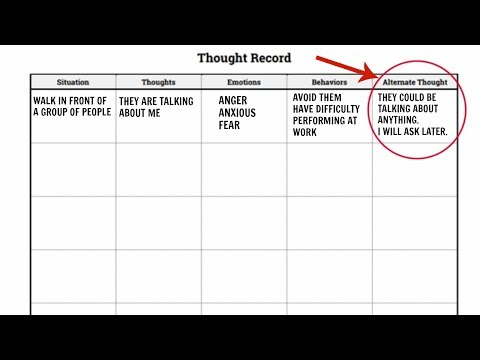
2. Thought Records
When negative thoughts come up, put them on paper. Write down the thought, what triggered it, and then challenge that thought by asking if it’s really true or if there’s another perspective. For example, instead of thinking «I always mess up,» try «Sometimes I mess up; other times I succeed.»
3. Behavioral Activation
This one’s about engaging in activities that lift your mood. If you notice you’re feeling low after binge-watching TV for days, track those feelings against more active things like going for a walk or calling a friend.
4. Mood Rating Scale
Create a simple scale from 1 to 10 (1 being the worst mood ever and 10 being fantastic). Rate your day based on this scale every night before bed. Over time, you’ll see trends in how different activities or situations affect your mood.
5. Gratitude Journaling
Each day, jot down three good things that happened—even small ones count! This practice shifts focus from negative thoughts to positive experiences and can help improve overall well-being.
6. Visualization Techniques
Imagine how you’d feel in a positive scenario or when achieving a goal. Visualizing success can make those anxious feelings lessen over time as you train your mind towards optimism.
7. Exposure Exercises
If something makes you anxious—like public speaking—start by writing about it first, then gradually expose yourself to it in smaller steps until it feels less daunting.
8. Mindfulness Practices
Take moments throughout the day to just check in with yourself—how are you feeling right now? Maybe breathe deeply for a few minutes when stress hits and notice how that changes things.
9. Problem-Solving Strategies
If you’re feeling stuck about something specific, write down possible solutions or steps forward on paper instead of letting worries swirl around in your head aimlessly.
10. Regular Review Sessions
Set aside time each week or month to review your mood logs or journal entries so that you can see improvement over time and learn from patterns you’ve identified along the way.
Incorporating these CBT techniques into tracking your moods isn’t just helpful; it’s empowering! You start recognizing what’s affecting your mental health more clearly—and that’s half the battle won! Think of this as an ongoing conversation with yourself about what works for you, making changes little by little toward better mental well-being!
Unlocking Recovery: Free PDF Guide on Cognitive Behavioral Therapy for Depression
So, let’s talk about this idea of using Cognitive Behavioral Therapy (CBT) for managing depression. You know, CBT is like a toolbox for your mind. It helps you identify and change negative thought patterns that can drag you down. Basically, it teaches you to catch those thoughts before they spiral out of control.
Now, if you’re feeling kinda low or just not yourself, tracking your mood is super helpful. It’s like having a map of where you’ve been emotionally. And when you combine mood tracking with CBT techniques, well, it gets even better!
Mood Tracking Basics
First off, let’s break down mood tracking. It’s simple! You just jot down how you’re feeling throughout the day. You could do this in a journal or even use an app on your phone. Here are some ideas:
- Write down your emotions daily—happy, sad, anxious—you name it.
- Note what was happening at that time. Was there something specific that triggered the feeling?
- Rate your mood on a scale from 1 to 10.
For instance, if you notice you feel low every time you scroll through social media, that’s a clue! Maybe it’s time to cut back on that or tweak how you use it.
The Role of CBT
Now comes the part where CBT fits in. Once you’ve tracked these moods for a bit, look at the patterns emerging. Are there common negative thoughts? That’s the golden ticket!
The thing is—everyone struggles with those pesky thoughts sometimes. Let’s say you’re thinking «I’ll never be happy again.» CBT teaches you to challenge that thought. Ask yourself: Is that really true? What evidence do I have to support or refute that?
You replace those negative thoughts with more balanced ones—like “I might feel down now but I’ve felt better before.” It takes practice but seriously makes a difference.
Putting It All Together
So picture this: You’re tracking your mood and spotting patterns in how certain situations affect how you feel. Then using CBT strategies to shift those negative thoughts into something more positive and realistic.
Keep in mind—it can be tough at first! If you’re struggling to manage this alone, don’t hesitate to reach out for professional help. Therapists trained in CBT can provide guidance and support tailored just for you.
Sometimes people think therapy is only about talking through feelings when really it can also involve playing detective with your thoughts!
In short—combining mood tracking with CBT techniques is like giving yourself tools to rebuild and strengthen your mental health framework over time. It might not happen overnight but hey—you’re taking steps toward understanding yourself better and moving toward recovery.
So if you’re curious about getting started with this approach—or looking for resources like a “free PDF guide”—just remember every little step counts!
You know, tracking your mood can seem a bit daunting at first. I mean, you might wonder why it’s even necessary. But when you think about it, it’s like checking the weather before stepping out of your house. Just like you wouldn’t want to get caught in a storm, understanding how your mood shifts can help you prepare for those emotional ups and downs.
So let’s chat about Cognitive Behavioral Therapy (CBT) for a sec. Basically, CBT is all about understanding the connection between your thoughts, feelings, and behaviors. When you’re feeling low or anxious, it’s easy to spiral into negative thinking. You know the thoughts—those pesky little ones that tell you nothing will ever get better or that you’re stuck in this rut forever. That’s where tracking your mood comes in handy.
I remember a time when I was feeling pretty down for weeks. My brain just kept throwing this negativity at me like confetti at a parade—I couldn’t see the end of it. Eventually, I decided to jot down my feelings every day. At first, it felt silly and honestly kind of boring. But then something cool happened: I started noticing patterns.
On days when I spent too much time alone or skipped my workout, my mood took a nosedive. On days I reached out to friends or did something creative? Whole different story; I felt lighter and way more energized! This realization helped me connect my feelings with specific actions and choices—kind of like putting together pieces of a puzzle.
With CBT techniques on top of that mood-tracking habit, things became clearer for me over time. When I’d feel an emotional storm brewing inside me, I could look back at my notes and see what worked or didn’t work in the past. It felt empowering! Like having my own mental health toolkit right there with me.
And there’s something comforting about having concrete evidence to back up your experiences too—that you’re not just going through life blindly but actually making choices that can lead to better days ahead.
So if you’ve never tried tracking your mood before—or even if you have—it might be worth giving it another shot with some CBT methods sprinkled in! You might find those little insights are more helpful than you’d ever expect.