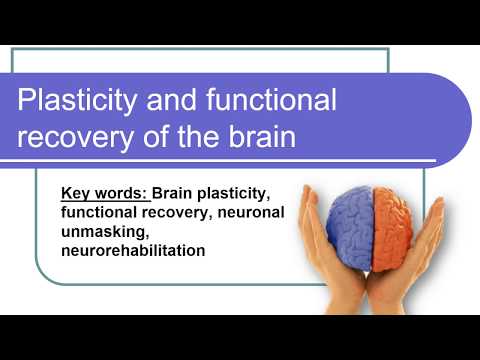
Cerebral plasticity, huh? It sounds all fancy and scientific, but it’s actually super relatable. Basically, it’s your brain’s ability to change and adapt. Kind of like how you can rearrange furniture in your room to make it feel fresh again.
You ever had that moment where you suddenly connect the dots on something you thought you’d never understand? That’s your brain at work! It reshapes itself based on experiences, learning, and even healing. Wild, right?
What if I told you this flexibility plays a big role in mental health recovery? Imagine a tough time in life where everything feels heavy. Your brain is like a muscle that can get stronger with the right care and effort.
So let’s chat about how understanding cerebral plasticity can give hope for recovery. It’s not just about bouncing back; it’s about growing into something new!
Understanding Cerebral Plasticity: A Key Factor in Mental Health Recovery
Cerebral plasticity, or brain plasticity, is seriously fascinating! It’s the brain’s ability to change and adapt, basically reshaping itself based on experiences, learning, and even recovery from trauma or injury. You know how when you practice something over and over, like learning an instrument or a new language, it becomes easier? That’s your brain adapting!
Now, this can be especially crucial when we talk about mental health recovery. When someone goes through something really tough—like depression, anxiety, or trauma—cerebral plasticity allows their brain to rewire itself in healthier ways. It’s like giving your mind a fresh start.
Here’s what happens:
- Rewiring Connections: Neurons in the brain create new connections while weakening others when you learn something new or shift your thinking patterns. This is especially helpful for those in therapy.
- Healing from Trauma: After experiencing trauma, cerebral plasticity can help individuals reshape painful memories. Think about how therapy can help you reframe a negative experience into something more manageable.
- Neurogenesis: This fancy term means that the brain can actually create new neurons! Exercise and certain activities promote neurogenesis which supports mental well-being.
- Mindfulness and Meditation: These practices have been shown to enhance cerebral plasticity. Regularly practicing mindfulness can lead to changes in areas of the brain associated with emotional regulation.
For instance, I had a friend who struggled after a difficult breakup. It felt like their world was crumbling down. But they started therapy and took up meditation. Over time, they noticed changes—less anxiety about old memories and more control over their emotions. That’s cerebral plasticity at work!
But wait—it’s not magic. Recovery takes time and effort. Just like fitness training involves consistent workouts to build muscle strength, creating new neural pathways needs practice and patience too.
So really, understanding cerebral plasticity gives hope to many who might feel stuck in their mental health challenges. The brain’s incredible ability to adapt opens doors for recovery journeys that can feel genuinely transformative—like discovering a hidden path through the forest after feeling lost for so long.
In essence, by engaging with our experiences actively—through therapy, mindfulness practices or simply trying new things—we’re harnessing that power of cerebral plasticity for better mental health outcomes. It’s truly empowering!
Unlocking the Mind: How Neuroplasticity Can Transform Your Mental Health
So, let’s chat about neuroplasticity. It’s this super cool concept that basically means your brain can change and adapt throughout your life. Yeah, it’s not just stuck like a rock! Think of it like a sponge—you know, soaking up new experiences and learning new things all the time. This ability can seriously impact your mental health in profound ways.
Now, how does this whole thing work? Well, your brain is made up of neurons, which are like tiny messengers. When you learn something new or go through an experience, these neurons create connections with each other. The more you practice a thought or behavior, the stronger these connections get. Like working out at the gym for your mind! It helps improve thoughts and behaviors over time.
You ever hear someone say you can “rewire” your brain? That’s what they mean by neuroplasticity! You can actually change negative thinking patterns into more positive ones. Imagine someone who often feels anxious about social situations; through practice and therapy, they can build confidence over time and feel more at ease in those environments.
But there’s more! Neuroplasticity also plays a role in recovery from things like depression or PTSD. When you experience trauma, it can create some seriously sticky pathways in your brain that keep bringing back those negative feelings. However, with therapy—like cognitive-behavioral therapy (CBT)—you learn to replace those paths with healthier thoughts and reactions.
The fantastic part is that neuroplasticity isn’t just limited to therapy sessions. You can also boost it through everyday activities. Here are some easy ways:
- Meditation: This doesn’t just chill you out; it literally helps reshape parts of the brain associated with stress.
- Learning: Dive into a new hobby or skill—like painting or playing an instrument—to spark new connections.
- Physical Exercise: Moving your body increases blood flow and encourages the growth of new neurons.
- Healthy Relationships: Connecting with others gives emotional support that boosts overall wellbeing.
You know what really blows my mind? There are studies showing that people who’ve been through strokes or traumatic injuries have recovered abilities by utilizing neuroplasticity techniques. It’s inspiring to think how our brains have this built-in mechanism for healing.
All of this leads to something like hope—hope for recovery and change no matter where you’re starting from. So remember, it’s never too late to make positive shifts in how you think and feel about life.
In essence, embracing neuroplasticity opens up a world where recovery is possible. Whether you’re tackling anxiety head-on or navigating through life’s challenges, there’s power in knowing that transformation is within reach. Your mind is far more adaptable than you might realize!
Understanding Brain Plasticity: Real-Life Examples and Their Impact on Mental Health
So, let’s chat about brain plasticity, shall we? It’s a big term, but don’t sweat it. Basically, brain plasticity—or neuroplasticity, if you wanna get fancy—is all about how your brain can change and adapt. Think of it like your brain is a bit like clay. It can be reshaped based on your experiences, learning, and even recovery from injuries or trauma. Pretty cool, right?
Now, this isn’t just a random science story; it has serious implications for mental health too. When you go through tough times—like dealing with anxiety or depression—your brain can actually rewire itself in response to treatment and experiences. So let’s break this down with some real-life examples because they really help illustrate what I’m getting at.
1. Recovery from Trauma: A lot of people experience post-traumatic stress disorder (PTSD) after something really scary happens to them. But what’s interesting is that with therapy—like cognitive behavioral therapy (CBT)—the brain can start to shift how it processes that trauma over time. For example, let’s say someone was in a bad accident and now finds themselves anxious whenever they hear cars honking. Through therapy and practice, their brain can learn to react differently to those sounds again.
2. Stroke Rehabilitation: Imagine recovering from a stroke where part of the brain gets damaged. Doctors often see patients regain abilities through intensive physical therapy that challenges the brain to relearn those skills. One patient shared how after initially losing her ability to speak clearly, she began engaging in speech therapy exercises daily. Over time, her brain reworked itself and she found herself chatting again with her family! Makes you feel hopeful just hearing about it.
3. Learning New Skills: Ever tried picking up an instrument? The process can be frustrating! But what’s happening is your brain is forming new connections every time you practice that guitar or piano—even if you mess up! This illustrates how learning works hand-in-hand with plasticity; the more you expose your brain to new challenges, the better it adapts.
4. Mindfulness and Meditation: Mindfulness practices have shown to have a positive effect on mental well-being too! People who meditate regularly might find their brains more resilient against stress or negative thoughts over time simply because they’re training their brains to focus differently.
In each case above, we see that neuroplasticity plays a major role in healing and adapting. You’re not stuck in one way of thinking or feeling forever; your experiences shape who you are constantly—even if things seem tough at times.
So yeah, understanding this flexibility of the brain opens up so many possibilities for recovery and growth in mental health contexts! It helps remind us that change is always possible—it might take time and effort but hang in there! Your mind has the potential to adjust in ways that might surprise you down the line—you feel me?
Cerebral plasticity, or neuroplasticity if you’re feeling fancy, is kinda like the brain’s way of adapting and reshaping itself. It’s the reason you can learn new skills or recover from injuries. Seriously, it’s amazing how our brains can form new pathways and connections. This adaptability plays a huge role when it comes to mental health recovery.
Think about it: your brain isn’t just this static hard drive sitting in your skull. It’s more like a bustling city, constantly building new roads and tearing down old ones based on your experiences. So when someone goes through something tough—like trauma or an injury—this plasticity gives hope for healing.
Let me share a quick story. I know this person who went through a rough patch after losing their job. They felt totally lost and isolated at first, but they started volunteering at a local animal shelter. At first, it was just to fill their time, but over time they found joy and purpose there. In those moments interacting with the animals, they noticed something shifting inside them. They were forming new neural connections that helped lessen their anxiety and boost their confidence.
That’s the power of plasticity—it allowed them to rewire their brain by creating new experiences that fostered healing. They didn’t just bounce back; they actually grew stronger and learned new things about themselves along the way.
The thing is, you don’t need to undergo some massive life change for plasticity to kick in either. Small daily habits—like learning something new or even engaging in mindful practices—can make a big impact too. Each bit of effort helps create those fresh neural pathways.
So next time you’re feeling stuck or overwhelmed, remember: your brain is capable of change! Even if it feels like you’re swimming against the current right now, every little step counts toward reshaping your mental landscape for the better. Just think about all those possible new paths waiting to be built—you’ve totally got this!