You know that feeling when you’re just stuck in your head? Like, everything seems a bit too heavy? Yeah, we’ve all been there.
What if I told you there’s a way to lighten that load? Enter certified peers. These are people who really get it—like, they’ve walked the walk.
It’s not just about therapy or medication. Sometimes, what you really need is someone who understands your struggles firsthand. They’ve faced their own demons and come out the other side.
So let’s chat about how these amazing folks are changing the mental health game. Because honestly, support makes all the difference.
Essential Requirements for Becoming a Credentialed Rehabilitation Specialist (CRS): A Comprehensive Guide
Becoming a Credentialed Rehabilitation Specialist (CRS) is a rewarding path if you’re looking to make a difference in people’s lives. It’s a role that combines personal experience with professional skills, giving you a unique opportunity to provide support for those navigating mental health challenges or addiction. So, what do you need to get there? Let’s break it down.
First off, **education is key**. You generally need at least a high school diploma or an equivalent credential. But most people pursuing this career will have some level of postsecondary education—many even go for bachelor’s degrees in fields like psychology, social work, or counseling.
Then comes the fun part: **supervised experience**. You need to rack up a certain number of hours working alongside qualified professionals in mental health settings. This phase is crucial since it gives you real-world insights and helps you develop those essential skills.
Next up is the **exam**. After completing your education and gaining experience, you’ll have to pass the CRS certification exam. This test covers various topics related to rehabilitation principles, ethics, and effective communication techniques. So, be prepared—you’ll need to study!
Don’t underestimate the value of **continuing education** either! Once you’re certified, it’s not over yet. Keeping your credentials means staying updated on best practices and new approaches in rehabilitation and support networks.
Networking is another element that can’t be overlooked. Engaging with fellow professionals can help you stay informed and connected in the mental health community. Plus, it opens doors for job opportunities—you know how it goes!
And finally, having some degree of **personal experience** with mental health or recovery issues can be immensely beneficial—and often necessary—for this role. It can enhance empathy and understanding when working with clients who face similar challenges.
So just to summarize:
In short, becoming a CRS requires dedication and resilience but offers the chance to empower others on their paths toward recovery and well-being! So if you’re considering this pathway, keep your goals clear and don’t hesitate to reach out for guidance along the way—it really helps!
Understanding Certified Peer Specialist Salaries in Georgia: A Comprehensive Guide
Certified Peer Specialists (CPS) play a vital role in mental health support. They are folks who’ve been through their own experiences and are now helping others navigate similar challenges. In Georgia, the salary for these specialists can vary based on several factors.
First off, let’s talk about what influences their pay. Here are some key elements:
- Experience: Like most jobs, the more experience you have, the more you can potentially earn. A new CPS might start at a lower rate, while someone with several years under their belt usually gets paid more.
- Location: Salaries can differ significantly across Georgia’s regions. For instance, urban areas like Atlanta may offer higher wages compared to rural locations where funding might not be as strong.
- Employer Type: Different organizations and settings (like non-profits vs. hospitals) often have different pay scales. Non-profits may provide fewer benefits or lower pay compared to larger health systems.
- Education and Certification: Beyond being certified, some employers may offer higher salaries for additional training or education in mental health services.
The average salary for certified peer specialists in Georgia typically ranges from $30,000 to $40,000, but there can be exceptions based on the factors mentioned earlier. For instance, seasoned professionals in bustling cities might even see salaries pushing over $50,000.
Now imagine someone just starting out in this field. They’re passionate about helping others but are worried about making ends meet because entry-level positions may not offer much financially initially. That’s a real concern! You’ve got rent, bills—life doesn’t take breaks just because you’re doing meaningful work.
The good news? There’s potential for growth! Many CPS who start at lower salaries find opportunities to advance either within their organization or by taking on new roles that pay better once they gather enough experience and skills. Plus, working as a peer specialist isn’t just about the paycheck; it’s also rewarding emotionally when you see lives change for the better.
Additional benefits, like health insurance and retirement plans depending on the employer, can also make a big difference in overall compensation packages—so it’s worth evaluating those too.
If you’re thinking about becoming a CPS or know someone who is interested—but worried about finances—remind them that while starting salaries might not feel great right away, there’s room to grow and make an impact along the way!
In summary, understanding certified peer specialist salaries in Georgia involves looking at various influencing factors such as experience and location. You might start low but with passion and perseverance—it can lead to both financial stability and personal fulfillment through helping others navigate tough times!
Understanding Medicaid Coverage: How Much Does It Pay for Peer Support in Mental Health?
Understanding Medicaid coverage can feel like navigating a maze, especially when it comes to peer support in mental health. Let’s break this down clearly and simply.
First off, what exactly is peer support? It’s basically when someone who has lived experience with mental health issues helps others going through similar challenges. So, certified peers provide support based on their own recovery journey, which can be super empowering and beneficial.
Now, onto the big question: How much does Medicaid actually pay for these services? Well, the amount varies depending on your state and specific Medicaid plan. Some states really embrace peer support and will cover it pretty well, while others might be a little more limited. Just think of it like this: if you’re in a state that recognizes the value of peer support, you might find better coverage options.
A key point to know is that not all states have the same rules. For example:
- Certified Peer Specialist Training: Many states require that peers undergo specific training before they can offer services under Medicaid. This training equips them with the skills to help others effectively.
- CPT Codes: States often use certain billing codes for these services. It’s like how doctors have specific codes for various treatments—peers have theirs too!
- Limitations: Some plans might limit the number of hours per month they’ll pay for peer support services or may only cover them if they’re part of an overall treatment plan.
You might be wondering how you can find out what’s available in your area. Checking with your local Medicaid office is a solid bet! They’ll give you details about coverage levels and what kind of documentation is needed for peers to get paid for their work.
Also, here’s an interesting tidbit: many states are recognizing how valuable peer support can be for recovery outcomes—and they’re adjusting their policies accordingly. So don’t hesitate to reach out! You might find there are more resources available than you thought.
And if you still feel lost? Talking to a mental health professional could really help clear things up too! They often know about local resources and can guide you through the process of connecting with peer support.
So yeah, navigating Medicaid’s coverage for peer support might feel tricky at times, but knowing what to look for and where to ask can make things way easier!
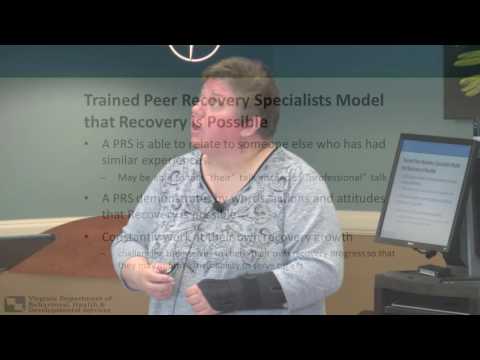
So, you know how when you’re feeling low, sometimes all you need is someone who actually gets it? Like, not just a therapist or a family member trying to be supportive but someone who’s been through the same stuff? That’s where certified peers come into play. They’re like the secret sauce in the mental health support world.
Imagine this: You’ve just had a rough week. Anxiety’s creeping in, and you feel alone. But then, you connect with someone who has walked that same path. They share their story—how they managed to face those overwhelming feelings. It’s like a breath of fresh air. Not only do they offer hope, but they also give practical insights that are rooted in real-life experience. Pretty powerful, huh?
Certified peers aren’t therapists or professionals in a conventional sense. Instead, they’ve been trained to provide support based on their lived experiences with mental health challenges. This isn’t just about sympathy; it’s about empathy at its finest. They know what it’s like to wake up feeling heavy or to struggle with self-doubt daily.
One of my friends got connected with a certified peer after her diagnosis of depression. At first, she was hesitant—like “What can this person really do for me?” But after one session—and some honest chats over coffee—she realized how vital it was for her healing process. The peer didn’t sugarcoat things; instead, they talked openly about their ups and downs. And honestly? It created this amazing bond that helped her feel less isolated.
The beauty of these peer support networks is that they promote empowerment and autonomy in mental health care. You’re not just waiting for help to come from above; you’re engaging with folks who have battled similar demons and emerged stronger—or at least still standing! They can help guide you through your journey while cheering from the sidelines.
And let’s face it: sometimes professionals can be out of touch with how it really feels on the ground level—a little clinical distance can make you feel like you’re just another case file rather than a person with feelings and dreams.
So yeah, whether you’re thinking of becoming part of such a network or seeking one out during tough times, certified peers bring an essential layer to mental health support systems. It’s all about connection and understanding—and honestly? We could all use more of that in our lives.