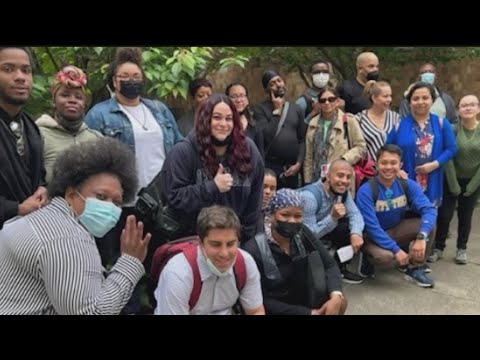
You know how sometimes you just need someone who gets it? Like, really gets it? That’s where peer specialists come in. They’re folks who’ve been through some tough stuff and come out the other side.
Imagine having someone by your side who totally understands what you’re feeling. It’s pretty powerful, right?
Certified Peer Specialist Training is all about that connection. It’s about helping others while also finding strength in your own journey.
So, let’s talk about how this training can change lives—yours and others’. Seriously, it’s not just a job; it’s a movement!
Discovering My Passion: The Journey to Becoming a Certified Peer Specialist in Mental Health
So, let’s talk about becoming a Certified Peer Specialist (CPS). This path is all about using your lived experience with mental health challenges to help others. If you’ve ever felt like you could relate to someone else’s struggles, this might be for you.
The whole idea behind peer support is pretty cool. You’re not just sharing advice. You’re bringing your story to the table, connecting on a real level. Having gone through tough times yourself, you can understand what someone else is feeling. It’s deep, right?
When I started thinking about becoming a CPS, I was in a rough patch. There was this moment where I met someone who shared their experience with depression and anxiety. It hit me hard because it was like they were telling my story too. That’s when I realized that if my journey could help someone else feel less alone, well, that would be something special.
Getting certified usually means completing some training programs specifically designed for this role. These programs teach you about active listening, empathy, and how to use your own experiences in constructive ways. But hey, it’s not just about hitting the books.
- Important Skills: You learn how to create a safe space for others to share and process their feelings without judgment.
- Support Techniques: You get trained on various methods of support—like wellness recovery action plans (WRAP) that help people set goals for their mental health.
- Crisis Intervention: There are also sections on recognizing when someone might need immediate help and how to handle those situations wisely.
The training isn’t easy; it can stir up some emotions as you revisit your own experiences. But honestly? That’s part of what makes it powerful! Embracing vulnerability not only helps you grow but teaches others that they too can be open about their struggles.
Once you finish training and pass your certification exam, the real fun begins! You might find yourself working in different settings like community centers or mental health clinics. Here’s where the magic happens—you can spark change right in front of your eyes!
Your job isn’t just about providing support; it’s also advocating for those who may not have their voices heard. Sometimes people get sidelined in systems that prioritize “professional” over personal experience. Being a CPS bridges that gap beautifully.
This whole journey strengthens your passion for mental health advocacy even more—a true win-win! After all the ups and downs along the way, helping people navigate their struggles feels rewarding beyond measure.
If you’re considering this path, remember: it requires patience and resilience—not just for those you’re supporting but also for yourself! The journey doesn’t end at certification but continues as you grow alongside those you help every day.
Tapping into this kind of work can ignite something within you that feels truly fulfilling. Choosing to uplift others while sharing your truth? That makes all the difference!
Understanding Peer Support Specialist Salaries at the VA: What You Need to Know
When talking about peer support specialists at the VA, salaries can really vary based on a few key factors. It’s not just about what job title you hold; it’s also about your experience, where you work, and the region of the country.
First off, peer support specialists are individuals with lived experience in mental health challenges. They’ve walked the walk and are trained to help others navigate their own journeys, which is pretty powerful. But how does that translate into salary?
- Average Salaries: Generally, as of recent reports, peer support specialists at the VA can expect an average salary ranging from $35,000 to $55,000 per year. Don’t forget that this can fluctuate!
- Location Matters: Depending on where you’re located, salaries can be higher or lower. For instance, someone in a big city like San Francisco might earn more than someone doing the same job in a small town.
- Experience Counts: Just like any other job, your level of experience will play a role in how much you make. If you’re just starting out versus someone who has been around for years doing this work? Yeah, there’s likely gonna be a gap there.
- Certification Impact: Being certified as a peer specialist can also boost your earning potential. The VA tends to recognize and reward additional training and certifications.
You know what’s interesting? The demand for these roles has been increasing over time. More veterans are seeking help for mental health issues, which means more opportunities for peer support specialists.
Your responsibilities also impact pay. If you’re involved in more complex programs or take on additional duties beyond basic peer support—like leading workshops or developing training—you could see that reflected in your paycheck.
The thing is, working as a peer support specialist isn’t just about salary; it’s also about making a difference. Many people do this job because they genuinely want to help others improve their lives and find their way through tough times.
If you’re thinking about going down this path, consider reaching out to current specialists or checking local job postings for salary ranges specific to your area. That way you get a clearer picture of what to expect.
In summary, while salaries for peer support specialists at the VA can vary widely based on factors like location and experience level—a lot of people find the work rewarding way beyond just financial compensation!
Understanding the Key Differences Between Life Coaches and Peer Support Specialists
When it comes to personal growth and support, you might hear people talk about life coaches and peer support specialists. They seem similar, but the thing is, they have some pretty key differences. Let’s break it down.
Life Coaches are there to help you set and achieve personal goals. They focus on your future, helping you figure out what you want in life—like career aspirations or weight loss journeys. It’s like having a cheerleader who’s also a strategist. They often use techniques from psychology and coaching to inspire change.
Now, here are some things to remember about life coaches:
Remember that moment when your friend encouraged you to try something new? That’s kind of like a life coach—guiding you toward achieving those dreams.
On the flip side, we have Peer Support Specialists. These folks have lived experience with mental health challenges or substance use issues themselves. Their primary goal is to provide support based on shared understanding. It’s more about connection than just pushing for goals.
Here are some key points about peer support specialists:
Imagine sitting down with someone who gets what you’re going through because they’ve been there too—that’s the magic of peer support.
So basically, while both life coaches and peer support specialists aim to empower individuals, they do it in different ways. Life coaches push for forward movement and goal achievement while peer specialists help through connection and shared experiences.
Think about what you need right now—a friend cheering you on or someone who understands your journey? Either way can be helpful depending on where you’re at in life!
You know, sometimes life throws unexpected challenges your way, and it can feel pretty overwhelming. Like, a friend of mine named Jake went through a tough time after losing his job. He felt lost and unsure of himself. That’s when he discovered the whole concept of Peer Specialist Training. It’s this amazing program that empowers individuals with lived experience in mental health or substance use to help others who are struggling.
Imagine being in a room with people who just get it. They’ve been there, feeling the weight of anxiety or depression, and they understand how hard it can be to navigate the mental health system. That shared experience creates this bond, you know? It’s like being part of a secret club where everyone is rooting for each other.
Through the training, participants learn skills that can make a real difference—like how to listen without judgment or how to share their own stories in ways that inspire hope. It’s pretty powerful stuff! I remember when Jake completed his training; he felt more confident and capable, like he’d found his purpose again. He started volunteering at a local support group, using what he learned to help others find their footing.
But it’s not just about giving back; it’s also about self-discovery and healing. Becoming a Certified Peer Specialist means you get to turn your struggles into stepping stones for someone else’s journey. Trust me, that sense of fulfillment is something special. Seeing someone else rise from their challenges because you could relate makes all those tough times worthwhile.
So yeah, empowering lives through this kind of training isn’t just about helping others; it’s about transforming your own life too. And who wouldn’t want that? It’s like planting seeds of hope—and watching them grow into something beautiful and meaningful for everyone involved.