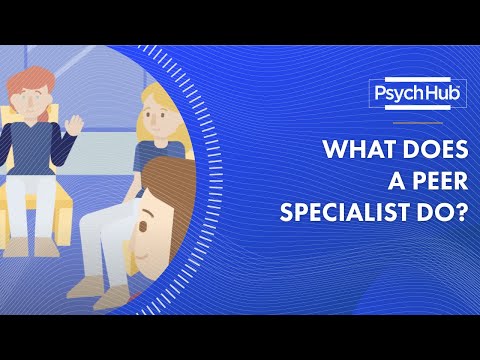
You know, sometimes the most powerful support can come from someone who’s been there. Seriously. That’s where certified peer support workers step in.
These folks have walked the walk. They’ve faced their own struggles and come out on the other side. Now, they’re all about helping others navigate their mental health journeys.
It’s kind of like talking to a friend who just gets it, you know? They share their experiences, provide guidance, and just… get you. It makes such a difference.
So, let’s break down what these amazing individuals do and why they matter in mental health initiatives. You’ll see just how impactful they can be!
Essential Steps to Achieve Your Certified Peer Specialist (CPS) Credential
Achieving your Certified Peer Specialist (CPS) credential can be a rewarding journey. It’s all about using your lived experiences with mental health challenges to help others navigate their own paths. So, let’s break down what you need to do.
First off, you’ll want to check the specific requirements in your state. Each state has its own guidelines and some may have additional criteria. Don’t skip this step! Knowing the details helps you prepare better.
Training: You’ll typically need to complete a training program. These are designed to equip you with essential skills like active listening, empathy, and communication strategies. Training usually covers topics that help you understand mental health conditions and how to support someone going through tough times.
Peer Support Experience: Gaining actual experience is crucial. Engaging in peer support services—whether as a volunteer or through community programs—helps solidify your knowledge and gives you hands-on practice. Think of it like an internship where you’re not just learning but also applying what you’ve learned.
After that, there’s usually an exam involved. Passing this test demonstrates your understanding of peer support principles, ethics, and responsibilities. You might feel nervous, but remember that it’s just a way to show you’re ready for this role.
Once you’ve got your training done and the exam passed, it’s time for certification application. This often involves submitting proof of completed training and passing scores from the exam along with any required forms or fees related to certification.
Don’t forget about ongoing education! After becoming certified, maintaining your credential means you’ll likely need to complete continuing education units (CEUs). This keeps you updated on best practices in the field.
Finally, connecting with local peer support groups can provide further insights into the role while also expanding your network. Surrounding yourself with folks who share similar experiences can be incredibly uplifting—you’re building a community!
In summary:
- Check State Requirements: Every state is different.
- Complete Training: Gain necessary skills.
- Get Peer Support Experience: Hands-on practice helps.
- Pass the Certification Exam: Show what you’ve learned.
- Submit Application: Provide proof of training and exam results.
- Pursue Continuing Education: Keep learning!
- Connect with Peers: Build supportive networks.
Embarking on this journey isn’t just about getting a credential; it’s about making a difference for others who might be struggling. It takes courage and compassion—qualities that come naturally when you’ve walked that road yourself!
Exploring Certified Peer Specialist Salaries in Georgia: What to Expect
Alright, let’s chat about Certified Peer Specialists over in Georgia. If you’re curious about their salaries and what you might expect there, you’re in the right place.
Certified Peer Specialists (CPS) play a crucial role in mental health initiatives. They’re folks who have lived experience with mental health challenges and can offer support to others navigating similar journeys. Their insight is invaluable! But of course, the big question often comes down to how much they can actually make, right?
Salary Factors
First off, salaries for CPS can vary based on a bunch of things:
- Experience: Like many jobs, if you’re just starting out, your salary might be on the lower side. But if you’ve been around for a while or have specialized training, you could see that paycheck bump up.
- Location: Even within Georgia, different areas pay differently. Urban settings like Atlanta usually offer higher wages compared to rural spots.
- Employer Type: Whether you’re working for a non-profit organization or a government agency can affect your salary too. Non-profits might not pay as well as state-funded roles sometimes do.
Now let’s break down some figures so you have a clearer idea of what’s out there.
Typical Salary Range
In Georgia, Certified Peer Specialists generally earn between **$30,000 to $45,000** annually. When you break it down further:
- If you’re just getting started, expect something around **$30K**.
- A few years in? You might be looking at closer to **$40K**.
- If you’re really seasoned or in a higher-paying position? You could hit that **$45K mark** or potentially more!
So yeah, it can definitely vary!
Benefts
It’s also important to consider benefits besides just salary. Many employers offer perks like health insurance and retirement plans. Those little extras can totally make a difference in overall job satisfaction and financial stability.
One more thing—some positions even allow for flexible hours or remote work options! That flexibility can be a game changer if you’re balancing other responsibilities.
In short, being certified as a Peer Specialist in Georgia leads to meaningful work with varying pay based on experience and location. If this path resonates with you, it could be worth diving deeper into what roles are available now!
Top Places to Get Peer Support Certification in Arizona: Your Complete Guide
There are several places in Arizona where you can get certified as a Peer Support Worker, which is super cool because it means you’ll be able to help others who are going through tough times. Peer support certification programs provide training to equip you with the skills and knowledge to offer support based on your own experiences.
In Arizona, these programs are designed to meet the standards set by the state and can help you land a job in mental health initiatives or community support roles. Here’s a little rundown of some of the top options.
1. Arizona Department of Health Services (ADHS)
The ADHS offers a state-approved curriculum for peer support specialists. This program includes both classroom learning and hands-on experience, which is great for really getting into what peer support is all about. You’ll learn how to share your story and connect with others who may not know where to turn.
2. University of Arizona
The University has a Peer Support Specialist Training Program that focuses on mental health recovery principles. It’s more academic but practical too, teaching skills like communication, crisis intervention, and emotional support techniques. Plus, it might look good on a resume if you’re aiming for something in healthcare or social services.
3. Peer Support Coalition of Arizona
This coalition provides various resources for those wanting to get certified. They have connections with multiple organizations offering training programs across the state, so it’s worth checking out their website for local listings near you. They often feature community events too—helping build that network can be super beneficial!
4. Local Community Colleges
Many community colleges have started offering peer support specialist training as part of their continuing education programs. It’s more affordable compared to other options out there and gives you access to valuable local connections in your area.
5. Behavioral Health Organizations
Loads of behavioral health organizations offer their own peer support training specifically tailored toward their communities and clientele needs This could mean shortened courses or modified content that focuses on particular mental health issues relevant in your area.
Getting certified as a Peer Support Worker can feel like starting an exciting journey—bringing hope to others through shared experiences is no small feat! You’ll be part of something bigger than just yourself, helping people navigate their own paths toward recovery while also finding strength in your own past struggles.
No matter where you choose to get certified, make sure the program aligns with your values and personal goals for supporting others!
You know, when it comes to mental health care, there’s something really special about having someone who “gets it.” Like, they’ve been through the wringer themselves and come out the other side. That’s where certified peer support workers come in. These folks aren’t just trained—they’re living proof that recovery is possible.
Imagine sitting in a support group, feeling lost and overwhelmed. You’re surrounded by professionals who know the textbook stuff, but then there’s this one person sharing their story. Their voice is steady but filled with that raw emotion you can relate to. They talk about their struggles, their victories, and how they found a way through. You start to feel like you’re not alone anymore. That’s often the magic that peer supporters bring.
Peer support workers offer more than just empathy; they provide lived experience, which can be transformative in a recovery journey. They understand the highs and lows because they’ve faced them too. It’s different when someone says “I know what you’re going through” and really means it because they’ve been there.
In many mental health initiatives today, these certified peers are becoming essential parts of treatment teams—like super important pieces of a puzzle that fits together because they can bridge gaps between formal care and real-life experiences. They often help clients navigate the system—like figuring out how to get services or manage medication side effects—which can be daunting for someone just trying to find their footing.
But hey, it’s not all sunshine and rainbows. The role comes with challenges too. Sometimes peer supporters face skeptics who question whether their experiences are enough to help others or if they should even be on the front lines of care, you know? And then there’s always the risk of burnout because pouring so much of yourself into helping others can take a toll.
Still, I can’t help but admire them—these brave souls showing up day after day for others while often working through their own stuff as well. It takes guts! Just think about how many lives they’ve touched by simply sharing their story or providing that lifeline when everything feels overwhelming.
In a world where so many people deal with anxiety or depression silently, certified peer support workers shine like beacons of hope—reminding everyone that recovery is not just some far-off dream but a reality within reach. And honestly? That makes all the difference in someone’s life journey toward healing and wholeness.