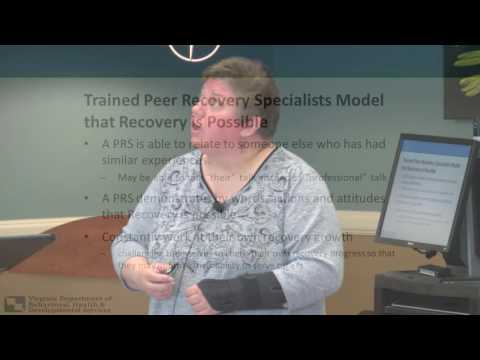
You know when you’re struggling, and it feels like no one really gets it? That’s where certified recovery peer specialists come in. They’re like that friend who knows exactly what you’re going through because they’ve been there too.
Imagine having someone by your side who not only understands the ups and downs but has also walked the same rocky path. They can give you insight, hope, and maybe even a little nudge when you need it most.
It’s a unique role, blending personal experience with professional support. And seriously, that combination can make a world of difference in mental health recovery. So let’s dive into what these amazing folks do and why they matter so much!
Understanding the Role of a Certified Peer Recovery Specialist in Mental Health Support
Certified Peer Recovery Specialists (CPRS) are pretty cool, honestly. They’re folks who have lived through mental health challenges themselves and come out on the other side. Because of their personal experiences, they offer a unique kind of support that’s just different from what traditional mental health professionals provide. You know? It’s like having someone who really gets it and has been in those shoes.
So, what exactly do these specialists do? Well, let’s break it down a bit. There are a few key roles they play in the world of mental health support.
- Direct Support: CPRS work one-on-one with individuals who are navigating their own mental health journeys. They share their stories and provide encouragement. It’s less about therapy in a clinical sense and more about relatable connection.
- Education: These specialists help people learn about their conditions, treatment options, and coping strategies. Imagine having someone explain things to you in plain language when all that medical jargon just flies over your head.
- Advocacy: A big part of their job is advocating for people within the mental health system. They help clients find resources, like therapy or support groups, and make sure their voices are heard.
- Building Community: CPRS often create connections between individuals seeking help and peers who have similar experiences. This sense of community can be super healing.
- Coping Skills: They teach practical tools to manage symptoms and handle stressors—like mindfulness techniques or journaling practices—so you can build your own toolbox for wellness.
Having someone who understands how isolating mental illness can feel is invaluable. Just think about it: when I was going through a rough patch myself, there was this peer support group I found by accident—no fancy therapy or anything! Just a couple of regular folks sharing their ups and downs made all the difference for me. It showed me I wasn’t alone.
In terms of qualifications, CPRS generally go through training to be certified as peer recovery specialists. This training covers things like ethical boundaries, communication skills, and how to guide others effectively based on what helped them personally.
Another thing to keep in mind is that while these specialists can provide fantastic support and guidance, they’re not meant to replace licensed therapists or psychiatrists. Think of them more as teammates in your recovery journey; they’re there to cheer you on while you tackle everything else with your healthcare providers.
CPRS can be found working in various settings too! They might hang out at clinics or hospitals—sometimes even in schools or community centers—and that makes them accessible for lots of people looking for help.
To sum up (not that I’m trying to wrap this up too formally), Certified Peer Recovery Specialists bring such an essential perspective to mental health care—one that combines empathy with lived experience. Their role is about connection, understanding, education, and empowerment all rolled into one! So if you’re ever feeling lost in the whirlwind of mental health stuff? Seriously consider looking into peer support; sometimes just chatting with someone who’s been through it can turn everything around!
Understanding the Importance of Peer Support in Mental Health Recovery
Peer support in mental health recovery is super important. It’s like having a buddy who totally gets what you’re going through. You know, someone who’s walked the same path? That’s where certified recovery peer specialists come in. They’re not just trained professionals; they’ve lived it. They’ve faced struggles, just like you might be facing now.
The concept of peer support revolves around the idea that sharing experiences can foster healing. It’s this connection built on empathy and understanding that makes a difference. When you talk to someone who gets your struggle firsthand, it can be incredibly validating. It helps you feel less alone in what may seem like an overwhelming journey.
One key aspect of peer support is building trust. Certified recovery peer specialists often create a safe space for individuals to express their feelings without fear of judgment. Imagine finally opening up about your anxiety or depression to someone who says, “Yeah, I’ve been there.” It can take the weight off your shoulders, right?
Another big benefit is providing hope. Picture this: you’re feeling stuck and hopeless, but then here comes a peer specialist who’s been through the same tough times and has come out stronger on the other side. Their story can inspire resilience within you; it shows that recovery isn’t just some far-off dream—it’s totally possible.
Also, peer support helps with skills development. Peers often share coping strategies that worked for them. They might introduce techniques like mindfulness or grounding exercises that could become part of your toolkit for managing stress or triggering moments.
Community connection is another huge factor. Recovery can be isolating, but being part of a network where everyone shares similar experiences gives you a sense of belonging. It’s comforting to realize there are others fighting the same battles as you.
And let’s not forget about advocacy. Peer specialists are often advocates too. They not only help individuals but also work towards improving mental health systems and fighting stigma. This involvement fosters a sense of purpose—something vital during recovery.
So yeah, when we talk about mental health recovery, it’s evident that peer support plays a crucial role. The journey might be personal, but having people by your side who genuinely understand can make all the difference in achieving wellness and stability. Whether you’re taking baby steps or giant leaps towards healing, remember: you’re not alone—there’s a community cheering for you!
Understanding the Key Differences Between Certified Recovery Specialists and Peer Support Specialists
So, let’s break down the differences between Certified Recovery Specialists (CRS) and Peer Support Specialists (PSS). They’re both super important in helping folks navigate their mental health journeys, but they’ve got some distinct roles and training.
First off, what is a **Certified Recovery Specialist**? A CRS is usually someone who has completed a specific training program and has passed a certification exam. They focus on **supporting individuals in recovery from substance use disorders**. Their training emphasizes understanding the recovery process deeply and providing tools to help others find their own paths.
Now, on the other hand, we have **Peer Support Specialists**. These folks come from lived experience with mental health challenges or substance use issues. They provide support based on their personal journeys but don’t necessarily have formal certification like CRSs do. Their main role is to offer empathy and understanding through shared experiences.
Here are some key differences:
- Training: Certified Recovery Specialists go through structured education about addiction treatment and recovery strategies. Peer Support Specialists rely more on their own experiences to guide others.
- Focus: CRSs primarily deal with substance use recovery, while PSS can focus more broadly on any mental health challenge.
- Certification: Certification is a big deal for CRSs; they need to pass exams to prove their knowledge. PSS may not have formal certifications but often receive training that helps them in their roles.
- Support Style: While both provide support, CRSs might integrate more clinical approaches into their work, where PSS lean heavily on shared experiences and relatable stories.
So picture this: Imagine you’re trying to find your way out of a maze. A CRS is like someone who’s studied every twist and turn of that maze—they know it inside out! They can give you tips based on evidence-based practices that might help you avoid dead ends or pitfalls.
On the flip side, a PSS is like someone who’s already made it through the maze themselves—they get what it feels like to be lost in there! They share how they found their way out, hoping you can take some inspiration from their journey.
Both roles are crucial; they’re like two sides of the same coin. You need that structured knowledge from CRSs alongside the relatable stories from PSSs to really feel supported during tough times.
In practice, many people benefit from interacting with both Certified Recovery Specialists and Peer Support Specialists at different stages of their recovery journey—this combination can really maximize support! So while they bring different skills to the table, together they create a holistic approach that can make all the difference in someone’s life.
So, let’s chat about Certified Recovery Peer Specialists (CRPS). You might not know this, but these folks play a pretty incredible role in mental health. They’re like a bridge between the chaos of struggling with mental illness and stepping into recovery. Seriously, it’s like having a buddy who totally gets what you’re going through.
Imagine you’re feeling stuck and overwhelmed, like you’re lost in a fog. It’s tough to even think about reaching out for help when you’re in that place. This is where CRPSs come in. They’ve been there—you know? They’ve faced their own battles and come out the other side, which gives them a kind of insight that can’t be found in textbooks. Their lived experiences make them relatable and trustworthy.
One time I met someone who was wrestling with severe anxiety. It felt impossible to make it through the day without feeling like the world was closing in on them. Then they started working with a peer specialist who had faced similar challenges but had learned how to cope. Slowly but surely, they began to open up about their experiences and fears, realizing they weren’t alone after all.
These specialists act as mentors, coaches, or just plain friends who offer support and understanding without judgment. They guide people through recovery plans, help them find community resources, and even teach coping strategies that have worked for them personally. It’s that personal touch that makes all the difference—because they’re not just throwing info at you; they’re sharing what really helped them.
And let’s be real: mental health struggles can feel isolating and heavy. Having someone by your side who really gets it makes a world of difference. You don’t have to put on a brave face or pretend everything’s okay anymore; you can be honest about how hard things are.
But it’s also important to mention that CRPSs aren’t therapists—they don’t replace professional help! Instead, they complement it by providing that ongoing support between therapy sessions or even during treatment programs. Together with professionals, they create this supportive environment where folks are more likely to thrive.
In short, Certified Recovery Peer Specialists are heroes in the mental health field—ordinary people doing extraordinary things! They remind us all that recovery is possible and often easier when we lean on each other for support. Isn’t it just beautiful how connection can spark healing?