Hey, you know how life can sometimes feel like way too much? Like when everything’s just piling up and you’re trying to keep your head above water? Yeah, that’s when we really need something to pull us back into the light.
That’s where recreation therapy comes in. Seriously! It’s not just about playing games or doing fun stuff—it’s a whole approach that helps people heal emotionally and mentally.
Imagine finding joy in little things again, reconnecting with yourself, and maybe even making some new friends along the way. Sounds great, right? This therapy isn’t just a nice-to-have; it can be life-changing for many folks dealing with mental health challenges.
Let’s chat about how recreation therapy plays a key role in this journey toward feeling better. You might be surprised at what it all entails!
Unlock Free Recreation Therapy CEUs: Enhance Your Skills and Knowledge Today!
Recreation therapy might sound like just fun and games, but it’s a whole lot deeper than that. Basically, it’s about using leisure activities to help people heal, especially when it comes to mental health. So, what’s the deal with those CEUs (Continuing Education Units) for recreation therapists? Well, they’re pretty much a ticket to leveling up your skills and helping your clients even more.
First off, free CEUs are an awesome way to stay current in your field without breaking the bank. Many organizations offer these courses online. They cover everything from therapeutic techniques to understanding new research in mental health. You can learn at your own pace too—no pressure!
Think of it like this: Imagine you’re a rec therapist named Jamie. You’ve been working with individuals struggling with anxiety and depression. By taking a free CEU course focused on mindfulness through recreation, you could learn new activities that not only engage them but also help reduce their symptoms. It’s all about enhancing people’s lives through purposeful play!
Now let’s break down why these courses matter:
- Expanding Knowledge: Stay updated on the latest strategies in therapy.
- Networking Opportunities: Connect with other professionals who share your passion.
- Improving Client Outcomes: Better skills lead to better results for those you work with.
- Catering to Diverse Needs: Understand how different recreational activities can be tailored for various populations.
Another cool thing is that recreation therapy often goes hand-in-hand with traditional therapies like cognitive-behavioral therapy (CBT). By understanding both areas better through CEUs, you can create a more comprehensive approach for clients.
Let me tell you a story! A few years back, I met a therapist who specialized in working with veterans suffering from PTSD using adaptive sports. She took some free CEU courses on trauma-informed care and learned how specific recreational activities could help build trust and community among her clients. Watching them bond during rock climbing sessions was incredible—it wasn’t just about climbing but finding camaraderie after facing such tough battles.
In summary, diving into CEUs in recreation therapy is super beneficial not only for personal growth but also for the folks who rely on your support every day. It’s all about enhancing skills and bringing fresh ideas into your practice! So if you’re considering it or need more info on where to find these courses—just go online; there are tons of resources waiting for you!
Enhancing Mental Health: Explore Smart CEUs in Recreation Therapy
Recreation therapy has a cool, underrated role in mental health healing. It’s not just about kicking back and having fun; it’s a structured way to use activities to improve well-being. When you think of a therapist, you might picture someone in an office. But recreation therapists? They take their work outdoors, in community centers, or even hospitals.
What Does Recreation Therapy Entail?
Recreation therapy involves using recreational activities as treatment for various mental health conditions. This can include anything from arts and crafts, sports, drama, or nature activities. Seriously, it’s all about engaging people in things they enjoy while helping them work through challenges.
Why Smart CEUs are Important
Now here’s where CEUs come into play. Continuing Education Units (CEUs) allow therapists to stay up-to-date with the latest techniques and research. For recreation therapists, finding smart CEU opportunities means they can enhance their skills and better support clients’ mental health needs.
- Enhancing Skills: CEUs help therapists learn new strategies that tap into the therapeutic potential of leisure activities.
- Networking: These courses often connect professionals who share similar interests or specialties.
- Evidence-Based Practices: Learning about the latest evidence-based practices ensures that therapists provide the best care possible.
Think of it this way: if a therapist took a course on using music therapy in recreation settings, they could bring something fresh to their practice. Imagine a group session where individuals express feelings through songwriting! It creates an emotional release while building connections—pretty powerful stuff.
Anecdote Time!
So there was this one time I heard about a group of veterans participating in recreation therapy sessions that involved team sports and art projects. For many of them who had been dealing with PTSD and depression, these sessions weren’t just fun; they became lifelines. One veteran shared how painting helped him process emotions he had bottled up for years. That’s the magic of recreation therapy—it’s all about healing through doing things you love!
The Role of Recreation Therapy in Mental Health
They say that laughter is the best medicine—and there’s truth to that! Here’s how recreation therapy can help with mental health healing:
- Reduces Stress: Engaging in enjoyable activities lowers cortisol levels (the stress hormone).
- Promotes Social Interaction: Group activities foster friendships and support networks.
- Aids Physical Health: Many recreational activities involve physical movement which boosts mood through endorphin release.
The thing is, when you participate actively—whether it’s hiking or pottery—you’re not just passing time; you’re rebuilding self-esteem and exploring emotional landscapes.
Involving clients creatively also encourages memories linked with positive emotions. Think about how playing games can remind someone of childhood joy! That connection creates room for healing without even realizing it.
Ultimately, enhancing mental health through smart CEUs in recreation therapy creates knowledgeable professionals who facilitate positive change in people’s lives. By incorporating fun into recovery efforts, these therapists are serious heroes—helping individuals regain control over their lives while rediscovering their passions along the way! Isn’t that something worth celebrating?
Understanding Recreational Therapy Salaries: Factors Influencing Earnings and Career Insights
Recreational therapy, right? It’s this amazing field that uses activities and experiences to help people with mental health issues heal and thrive. But let’s get real for a moment: if you’re considering this career, you’re probably wondering about the salaries and what affects them.
First things first, let’s talk numbers. Recreational therapy salaries can actually vary quite a bit depending on several factors. Here’s a rundown:
- Geographic location: Where you work plays a huge role in what you earn. For example, urban areas often pay more because the cost of living is higher.
- Experience level: Like most jobs, starting out might mean earning less. But as you gain experience and maybe even specialize in certain therapies or populations, your salary can definitely climb.
- Type of employer: Hospitals or rehabilitation centers may offer different salaries compared to schools or private practices. Nonprofits might pay less than government jobs but could offer other benefits.
- Education and certification: More education can mean more earning potential. So, getting advanced certifications or even a master’s degree could help boost your paycheck.
So yeah, those are some big factors that play into how much recreational therapists can make.
To give you an idea of what those figures look like, recreational therapists in the U.S. typically earn anywhere from around $40,000 to $70,000 annually. It really depends on all those factors we just talked about! Some experienced therapists in high-demand areas might even make more—up to about $90,000 or so.
Now let’s chat about CEU Recreation Therapy. This continuing education is key because it helps therapists stay current on best practices in mental health healing through recreational methods. Engaging in workshops or courses not only enhances your skills but also adds value to your resume—meaning it could impact your salary as well! You know how it is; staying ahead of the game often pays off.
It’s pretty interesting too when you think about how recreational therapy intersects with broader mental health care. People are realizing that activities like art or sports aren’t just fun—they’re super therapeutic! And that perspective shift is making employers value recreational therapists more than ever.
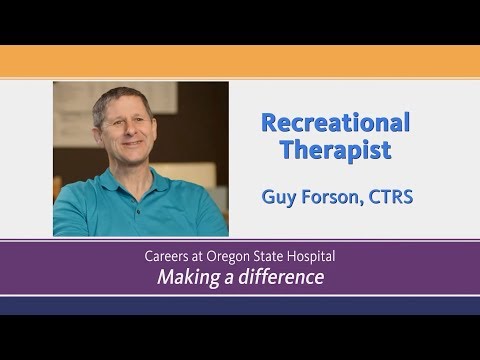
And here’s something personal: one time I met a guy who was a recreational therapist working with veterans suffering from PTSD. He told me how some simple outdoor activities helped these men reconnect with themselves and each other—and it was life-changing stuff! Stories like his highlight just how important this field can be.
So remember: while salary is important—so too are the impacts you’re making on others’ lives through your work in recreational therapy. It’s not always about the dollar signs; sometimes it’s about finding fulfillment while making a difference for people who need it most!
When you think about healing from mental health challenges, recreation therapy might not be the first thing that pops into your mind. But honestly, it plays a pretty cool role in helping people bounce back. Picture this: someone who’s been through tough times—maybe dealing with anxiety, depression, or PTSD—suddenly finds joy in a simple game of basketball or a painting class. That’s the magic of recreation therapy.
I remember a friend who struggled with severe anxiety. She often felt trapped in her own thoughts, like they were swirling around her head like some chaotic tornado. Then, she joined a community art group where they explored their creativity in a supportive space. Just getting her hands messy with paint made such a difference! It wasn’t just about art; it was the laughter, connections with others, and breaking free from those heavy feelings for a bit.
Recreation therapists are like guides on this journey—they encourage you to engage in activities that spark joy and promote healing. Whether it’s sports, arts and crafts, dance, or even just being outside in nature, these therapeutic activities help you reconnect with yourself and others. That’s crucial since loneliness often exacerbates mental health issues.
What’s neat is that recreation therapy isn’t just some chill hobby; it’s evidence-based too! Studies show that engaging in enjoyable activities can alleviate symptoms of anxiety and depression and improve overall well-being. So basically, when you’re out there having fun—like throwing paint on canvas or hiking up a hill—you’re also working on feeling better mentally.
The integration of recreation therapy into mental health treatment reminds us that healing is not always about sitting still and talking through problems endlessly; sometimes it’s about moving your body and letting loose while finding community support along the way. What could be more uplifting than rediscovering joy after feeling so low? When you bring play back into your life—seriously—it can spark some real transformation!