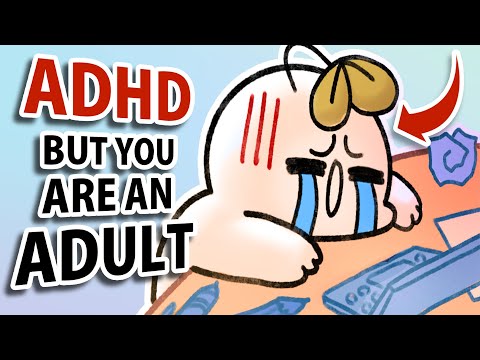
You know, ADHD isn’t just a kid thing. Seriously, a lot of adults have it too. It can show up in ways you might not even realize.
Ever felt like your brain’s on overdrive while your body’s just… sitting there? Or maybe you find it hard to focus, even on stuff you actually like? Yeah, that’s part of the deal.
ADHD can come with some pretty wild symptoms. It’s not just about being hyper or daydreaming in class anymore. It’s about how all that affects your life as an adult.
So let’s chat about what those symptoms and traits really look like when you’re grown-up. You might just recognize a few things in yourself or someone you know.
Understanding ADHD: A Psychological Perspective on Attention Deficit Hyperactivity Disorder
Understanding ADHD can feel like a bit of a maze sometimes. You know, just when you think you’ve got it all figured out, another twist or turn comes along. Attention Deficit Hyperactivity Disorder (ADHD) isn’t just about kids bouncing off the walls; it’s real and impacts adults too. Let’s break it down a little.
When we talk about ADHD in adults, we’re looking at a mix of symptoms and traits that can make life tricky. It’s not just about being a little forgetful or restless. The symptoms often include:
- Inattention: This can show up as difficulty focusing on tasks, losing track of conversations or activities, and struggling to follow through on instructions. You might find yourself staring blankly at your computer screen while your mind wanders off to something totally unrelated.
- Impulsivity: Maybe you blurt out thoughts that would’ve been better left unsaid—tough in social situations or at work, right? Or perhaps you make snap decisions without thinking them through.
- Hyperactivity: While adults may not be climbing the walls like kids do, there can still be an inner restlessness; feeling like you need to be on the move or finding it hard to sit still for long periods.
Living with ADHD can lead to emotional ups and downs too. You might feel overwhelmed or frustrated because tasks take longer than they seem to for others. I remember talking with a friend who had ADHD—she shared how she constantly lost her keys and how that small thing could drag her mood down for hours. It seems minor but really messes with your day.
Also, it’s worth mentioning that people with ADHD often struggle with executive functions. This means organizing thoughts, managing time effectively, and prioritizing tasks can be major hurdles. Picture this: you have a bunch of things on your plate—work projects, family commitments—and somehow finding motivation feels impossible because everything just feels jumbled up in your head.
Now let’s chat about some common misconceptions surrounding ADHD. A lot of folks think it’s all about hyperactivity or that “you’ll grow out of it.” But here’s the deal: many adults carry those traits into their daily lives in ways you might not expect.
Another aspect worth noting is the emotional toll ADHD takes on relationships and self-esteem. Someone with ADHD might feel misunderstood by peers or have trouble maintaining friendships because they misplace plans or forget important dates.
When it comes to treatment—it varies from person to person! Some folks benefit from medications that help balance things out—a bit like tuning an instrument so it plays beautifully instead of all wonky-like. Others may lean more towards therapy options where they learn skills to manage their symptoms effectively.
To sum up this whirlwind tour through understanding adult ADHD: living with this condition isn’t just about being inattentive or hyperactive; it’s layered with unique challenges every day. Whether it’s misplacing your wallet yet again or feeling overwhelmed by simple tasks, recognizing these symptoms is vital for both self-understanding and seeking help when needed.
So remember: if you relate to any of this stuff we’ve talked about today—or know someone who does—it’s totally okay! There are strategies and support systems out there that can make life feel a lot more manageable.
Understanding the 10-3 Rule for ADHD: A Simple Guide to Boost Focus and Productivity
The 10-3 Rule is, like, super helpful for folks with ADHD looking to grab some focus and productivity. So, let’s break it down in a way that makes sense. Basically, the rule suggests that you work intensely for 10 minutes, then take a break for 3 minutes. It’s like interval training for your brain!
When you think about it, sitting down to work for long stretches can feel impossible if you have ADHD. Your mind starts wandering, and before you know it, you’re deep in the rabbit hole of social media or planning your next snack attack. The 10-3 Rule is meant to combat that.
Now, why *10 minutes*? Well, it’s just long enough to get into something without causing overwhelm. You can tackle a small task or part of a larger project in that time frame. Whether you’re writing an email or organizing your closet—it’s totally doable.
After those 10 minutes are up, you’ll want to take a 3-minute break. This is where the magic happens! Use this time to stretch your legs, grab some water, or do a quick breathing exercise. Trust me; those breaks help reset your brain.
But wait—there’s more! One thing to keep in mind is that ADHD affects each person differently. Some may find they need shorter work periods or longer breaks. You know yourself best! So feel free to tweak the times if needed.
Here are some little pointers on making the most out of this rule:
- Start with tasks that have clear boundaries.
- Set a timer so you don’t have to keep checking the clock.
- Have something fun planned during breaks—like watching cat videos!
- Reflect on how productive you felt after each session.
Let’s say you’re studying for an exam and find it hard to concentrate. You might decide on using the 10-3 Rule while reading through notes or practicing problems. Those short bursts of focus can lead you through worse studying days!
The idea behind this approach is all about finding your flow without burning out too quickly. And seriously? You might surprise yourself with how much more you can accomplish when working this way.
In short, if you’re feeling like focus and productivity are just out of reach due to ADHD symptoms—definitely give the 10-3 Rule a shot! Everyone’s journey with attention struggles is unique; finding what works best for you can make all the difference in tackling daily tasks head-on!
Identifying the Signs of Untreated ADHD in Adults: What You Need to Know
Identifying the signs of untreated ADHD in adults can be a bit tricky. Unlike kids, adults have usually developed some coping mechanisms. But that doesn’t mean they’re not struggling. You might find yourself saying, “Man, why is staying focused so hard?” or “Why do I keep losing my keys?” If you’re wondering about this kind of stuff, here are some signs to look for.
Inattention is one of the big flags. You might notice yourself zoning out during meetings or failing to follow through on tasks. Maybe you start projects but never finish them? That’s classic ADHD. For example, let’s say you’re really excited about a new project at work. You dive in headfirst but then lose interest and it just sits there.
Another symptom can be hyperfocus. It sounds kinda funny, huh? But it’s real. You might get so engrossed in one task that you totally lose track of time or forget everything else around you. Picture this: you sit down to read a book and suddenly it’s 4 hours later! You’ve skipped meals and lost track of your to-do list because you were just so into it.
Then there’s impulsivity. Ever made a snap decision that left you thinking, “What was I thinking?” This could be anything from making impulse buys to interrupting conversations constantly. Like when you butt in at dinner parties and later realize everyone was waiting for someone else to finish their thought.
You might also struggle with organization. This isn’t just about keeping your space tidy; it’s about managing your time and commitments too. Your calendar might look like a chaotic mess instead of a helpful tool. Maybe you’ve missed several appointments because they slipped your mind or had trouble finding papers for important meetings.
There’s also the emotional rollercoaster ride that comes with untreated ADHD. Anxiety and frustration can crop up pretty easily when things feel overwhelming or chaotic around you. Picture sitting in traffic, feeling like the world is closing in because time is slipping away. Or maybe little annoyances feel way bigger than they should.
Lastly, relationships can take a hit as well due to ADHD symptoms—we’re talking about challenges with communication or forgetting important dates like anniversaries! You could end up feeling misunderstood by friends or partners who don’t get why certain things are tough for you.
In summary, if any of these signs resonate with you—like difficulty focusing, losing track of tasks, impulsive decisions, messy environments, overwhelming emotions—it may be worth exploring the possibility that ADHD could be part of the picture. Recognizing these symptoms is seriously key for moving forward and finding effective strategies to cope with them!
Alright, so let’s chat about ADHD in adults. You might think of it as just something that kids deal with, you know? But, seriously, it doesn’t just disappear when you hit adulthood. A lot of folks struggle with it without even knowing they have it. I mean, I had a friend who always seemed scatterbrained—losing keys, forgetting appointments—but they brushed it off as being a bit absent-minded. Turns out, after some digging and talking to a therapist, they got diagnosed with ADHD. It was like a light bulb went off for them.
So, what does ADHD look like for adults? Well, it’s not all about bouncing off the walls or being hyperactive; that’s just one piece of the puzzle. Many adults with ADHD are more on the inattentive side—a little lost in their thoughts or easily distracted by shiny things (literally or figuratively). You know how sometimes you’re in a meeting and suddenly your mind wanders to dinner plans? That’s classic inattentiveness.
They might also experience difficulty organizing tasks or managing time effectively. Picture this: you’ve got a million things on your plate—a work project due tomorrow and laundry piling up—but instead of tackling them head-on, you end up scrolling through social media for hours instead! It can feel frustrating because you want to get stuff done but can’t seem to focus long enough on one thing.
Emotional experiences can be pretty intense too. Adults with ADHD often feel overwhelmed by everyday tasks that others sail through. They might carry this sense of guilt or frustration because they’re putting in effort but not seeing the results they expect. Like my friend said after getting their diagnosis: “I thought I was lazy; turns out my brain just works differently.” That realization can be such a relief.
Then there are those impulsive decisions we hear about—making choices without really thinking through the consequences first. This can lead to relationship issues or financial problems—like splurging on things you don’t need because hey, why not? It’s all part of that lovely whirlwind that is adulting with ADHD.
And let me tell you about hyperfocus—it sounds cool but isn’t always great! When someone zeroes in on something they’re passionate about, sometimes everything else fades away—like family gatherings or deadlines at work—even if they didn’t intend for that to happen.
So yeah, recognizing these symptoms is vital for adults who suspect they might have ADHD—or if someone around them does. Getting an assessment from mental health pros can really help put everything into perspective and provide strategies to manage life better.
Look, living with ADHD has its challenges but understanding what it is makes all the difference in how we navigate our day-to-day lives while keeping our uniqueness intact! And honestly? That unique spin can bring so much creativity and innovation into this world—we just gotta find ways to channel it right!