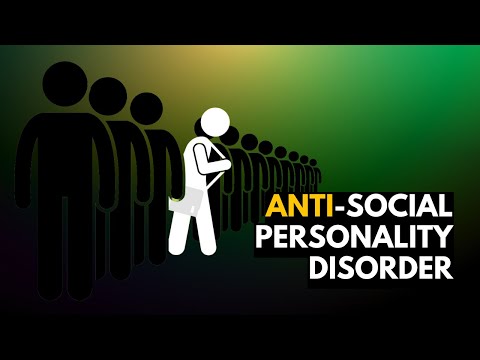
You ever wonder what makes some people tick, especially when they seem a little off? Yeah, that’s a thing.
Antisocial behavior isn’t just about being shy or having a bad day. It’s like this whole other world. You might have seen it in movies or heard stories about folks who just don’t fit in.
But here’s the scoop—understanding these traits can give you some serious insight into human nature. You start to notice patterns, and believe me, they can be pretty eye-opening.
So, let’s unpack this together and see what those key traits really look like! You with me?
Understanding Antisocial Behavior in Psychology: Real-Life Examples and Insights
Antisocial behavior, huh? It’s a term that kind of gets thrown around a lot, but it really packs a punch in psychology. Basically, we’re talking about patterns where someone tends to disregard the feelings and rights of others. This isn’t just about being rude or having bad manners; it’s deeper than that.
People who exhibit antisocial behavior often show some key traits. Here are a few that you might recognize:
1. Lack of Empathy: You know when you see someone hurt and feel for them? That feeling can be missing in those with antisocial traits. They might see someone suffering but feel nothing or even find it amusing.
2. Manipulativeness: These individuals can be charmers, using their charisma to get what they want. It’s like they have this knack for bending the truth or taking advantage of others without a second thought.
3. Impulsivity: Acting without thinking is another big one. They might jump into risky situations without considering the consequences—like going for a joyride in a stolen car just for the thrill.
Now, let’s put these traits into perspective with some real-life scenarios:
Imagine you’re at school, and there’s this kid who always seems to be in trouble. Maybe he steals lunch money from classmates, but then he’s super charming to teachers—making them think he’s just misunderstood. It’s confusing because he can flick between being nice and totally crossing the line.
Or think about an employee who takes credit for your ideas at work—constantly undermining you while acting all buddy-buddy on the surface. You may feel uncomfortable sharing your thoughts around them because they don’t seem to care how their actions affect you.
But not everyone with these traits has Antisocial Personality Disorder (ASPD). The thing is, ASPD is diagnosed when these behaviors are pervasive and persistent over time—like since adolescence or even childhood! It’s like having an ongoing pattern instead of just isolated incidents.
So why do people behave this way? There can be various reasons: genetics play a role, along with environmental factors like trauma or poor upbringing. Maybe someone grew up in a chaotic home where rules didn’t exist; they learn that compassion doesn’t matter much if survival is at stake.
It’s important to remember that not everyone who acts out has ASPD or even intends to hurt others intentionally—instead, understanding plays such a big part in how we interact with folks displaying these behaviors.
Ultimately, gaining insight into antisocial behavior helps us respond better—not only to those exhibiting these traits but also when we see ourselves struggling with empathy sometimes too! We’re all human after all; life gets messy sometimes!
Understanding the 5 Types of Antisocial Behaviors: Insights and Impacts
Antisocial behavior can be a little tricky to wrap your mind around. It’s not just about being rude or unfriendly; it runs deeper than that. So, let’s break it down, yeah? There are different types of antisocial behaviors, each with its own flavor.
1. Aggressive Antisocial Behavior
This is probably what most folks think of first. It includes actions like fighting, bullying, or any kind of physical aggression. Imagine being in school and watching someone get pushed around during recess—totally aggressive. This type can lead to serious consequences, like injuries or even legal trouble.
2. Deceptive Antisocial Behavior
You know those people who lie and cheat their way through life? That’s deceptive antisocial behavior for you! This might look like someone stealing money or lying to get what they want. Think about a friend who borrows money with no intention of ever paying it back—really messy stuff.
3. Impulsive Antisocial Behavior
Here’s where things get interesting! Impulsive antisocial behavior involves acting without thinking about the consequences. Like, have you ever had a friend who suddenly does something risky just for a thrill? They’re living by the seat of their pants! This could lead to reckless driving or dangerous pranks that put people at risk.
4. Callous Antisocial Behavior
This one’s pretty dark because it involves a lack of empathy for others. People with this trait might hurt others’ feelings without even realizing it—or worse, they don’t care at all! You know someone who makes fun of others regularly? It may come off as humor to them but it’s really callous in nature.
5. Manipulative Antisocial Behavior
Manipulators are experts at playing mind games! They’ll use charm or intellect to control and influence others for their benefit. Picture someone who gets their coworker to do their tasks while they take all the credit—that’s manipulation at its finest!
Every type has different impacts on individuals and society as a whole. For example, aggressive behaviors can lead to violence and strained relationships, while manipulative behaviors might create toxic environments in workspaces or friendships.
Understanding these types helps us recognize the signs earlier on and maybe even address them before they escalate into something worse. Awareness is key here!
So yeah, whether you’re trying to understand your friend better or navigating your own feelings when interacting with challenging personalities, knowing these behaviors sure gives you an edge!
Understanding Antisocial Personality Disorder: Key Features and Contributing Factors
Antisocial Personality Disorder (ASPD) can feel like a complicated concept, but let’s break it down. If you ever heard someone casually mention “psychopath” or “sociopath,” they might be referring to traits related to ASPD. Essentially, this disorder is characterized by a consistent pattern of disregard for the rights of others. It’s not just about being rude or difficult; it’s a deeper issue that affects how some folks interact with the world around them.
Key features of ASPD include things like:
- Lack of empathy: People with ASPD often struggle to understand how their actions affect others. It’s like they’re missing a crucial emotional component.
- Deceitfulness: This could mean manipulating others for personal gain or simply lying without remorse.
- Impulsivity: Acting without thinking is pretty common here, which can lead them into risky situations without any concern.
- Aggressiveness: This can manifest in physical fights or assaults. Basically, they might not think twice before getting into conflict.
- Irritability: These individuals often have quick tempers and may lash out over minor annoyances.
So, what really contributes to someone developing these traits? Well, it’s usually a combo of stuff.
First off, genetics plays a role. If you’ve got family members with ASPD or other personality disorders, your odds go up. Think about that—sometimes it’s in the blood.
Environment matters too. Childhood is crucial for everyone. A rough upbringing—like neglect, abuse, or even living in a chaotic environment—can set the stage for developing antisocial behavior later on. Picture someone growing up where trust and love are hard to come by; that can shape how they view relationships.
Also, brain chemistry might be at play here. Studies suggest people with ASPD may have different brain structures or functions, particularly in areas related to impulse control and decision-making. This could explain why they struggle so much with following social norms.
Lastly, let’s not forget socioeconomic factors. Growing up in poverty or lacking access to education can lead some individuals down a path where antisocial behaviors become more pronounced.
It’s important to remember that while some traits may be evident from a young age, not everybody who shows signs will necessarily develop full-blown ASPD as an adult. Many factors intertwine here!
In real-world scenarios, like when someone talks about feeling disconnected from society or struggling with interpersonal relationships over time—it could all connect back to these characteristics of ASPD.
Understanding this disorder isn’t just for professionals; knowing the basics helps you recognize behaviors and patterns in others—and maybe even yourself! Mental health conversations are important because awareness leads us closer to compassion and change down the line. So yeah, keeping an eye on those traits can lead us toward better understanding and assistance for people who really need it!
When we talk about antisocial behavior, it’s like peeling back layers of an onion. There’s a lot more going on beneath the surface than it first appears. People often think of the stereotypical “bad guy” in movies, you know? Someone who’s just out to create chaos without a second thought. But honestly, it runs way deeper and is tied to some pretty complex psychological factors.
So, if you’re sitting there wondering what exactly defines antisocial behavior, let me break it down a bit. It basically involves a range of actions that disregard others’ feelings and rights—think lying, stealing, or being genuinely aggressive without any remorse. It’s super important to differentiate this from just being shy or introverted. People often confuse social awkwardness with these traits, but they’re worlds apart.
I remember talking to a friend once who shared her experience with someone who seemed great at first. He was charming and funny, but as time went on, you could see those little red flags popping up—like how he would belittle others or dismiss their feelings entirely. At first, she brushed it off as jokes or just being “straightforward.” But eventually? The cracks started showing in how he treated not just her but everyone around him.
Recognizing these traits can be tricky because sometimes they are masked by charisma or charm—definitely not what you expect! But that’s why understanding key characteristics is crucial. Lack of empathy is probably the biggest one; if someone can’t put themselves in someone else’s shoes at all—watch out! And then there’s impulsivity: acting without thinking about consequences can lead to some serious problems down the line.
It blows my mind how many people might carry these traits but still function in society without anyone batting an eye. It makes you wonder about how many relationships are impacted by such behaviors—friendships that start off seemingly harmless can sometimes spiral into toxic territory.
The thing is, recognizing antisocial behavior isn’t just for professionals; it helps us all navigate our lives better. If we pay attention and trust our instincts when something feels “off,” we can avoid unnecessary drama and protect our well-being. So next time you’re getting mixed vibes from someone? Just remember those key traits—because staying aware is like having your mental health radar on high alert!