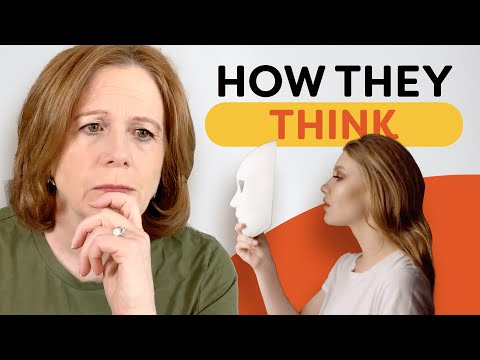
You know, there’s this thing we don’t talk about enough—covert narcissism. It’s not the loud, flashy kind you usually hear about. Nope, it’s sneaky and quiet.
Imagine someone who seems humble on the outside but is secretly craving attention and validation. Kind of confusing, right? You might even know someone like this! They can change a room’s vibe without ever raising their voice.
So, what gives with covert narcissists? How do they tick? Let’s dig into that a bit, because understanding them might just help you navigate your own relationships better!
Understanding Covert Narcissism: Key Traits and Psychological Insights
Covert narcissism is a tricky one. It’s like a hidden version of the more common, out-there narcissism you often hear about. You know, the type where someone is loud and boastful? Covert narcissists operate under the radar. They can seem shy or insecure but still have that strong sense of entitlement bubbling beneath the surface.
Key traits of covert narcissism can sometimes feel subtle but are pretty significant. Here are some main characteristics to look out for:
So, let’s picture a typical scenario to really drive this home. Imagine Sarah—she’s that friend who always seems down on herself yet constantly expects everyone around her to lift her up. She might bring her problems to dinner parties and subtly steer conversations back to her struggles without realizing she’s overshadowing everyone else’s experiences.
The thing is, covert narcissists can be hard to spot because their behaviors mesh into everyday life. They’re not all about flaunting their success; instead, they’ll awkwardly hint at their accomplishments while complaining about how nobody appreciates them enough.
Psychologically speaking, this behavior roots back to early development stages. Many covert narcissists may have grown up in environments where they received inconsistent validation from caregivers. So now they seek approval in ways that create anxiety or shame for themselves and others around them.
In terms of coping or dealing with these individuals, it’s important to set boundaries and encourage open communication when possible. However, you have to be careful since covert narcissists might twist things around in ways that leave you feeling confused or guilty.
So yeah! Recognizing these traits can help you navigate relationships with covert narcissists more effectively—it’s all about understanding what drives those seemingly conflicting behaviors underneath it all.
Unmasking Covert Narcissism: How Altruism Can Conceal Self-Interest
Covert narcissism is a sneaky one. You know, it’s not like the classic narcissist you might picture—loud and boisterous with an obvious need for attention. Instead, covert narcissists hide behind a facade of altruism. They often come across as caring, sensitive people who genuinely want to help others. But, here’s the kicker: their motivations can be more about self-interest than you might think.
So, how does it work? Well, covert narcissists tend to crave validation just like other narcissists but go about it in a quieter way. They often believe they’re special or unique and that they deserve to be treated differently than others. Sounds pretty relatable? Sure! But this belief can lead them to manipulate situations to shine a light on themselves while making it seem like they’re doing something good.
Characteristics of Covert Narcissism include:
Now think about someone who’s always volunteering or helping but seems to drop hints about how hard they work or how unappreciated they feel. It’s like they’re expecting applause while pretending they’re just there for everyone else.
A personal example? I once knew someone who dedicated every weekend to charity events. At first glance, you’d think they were a saint! But after some time, I noticed how often they’d talk about how much effort they put in and how few people recognized them for it. It felt less about helping and more about getting those warm fuzzy feelings from being acknowledged.
You see what I mean? Their altruism is often really just a mask for needing admiration or feeling superior.
Covert narcissism can seriously mess with your head if you’re close to someone like this. You might find yourself feeling guilty or confused because their behavior doesn’t always match the image they project.
Another crucial aspect is that these folks are prone to feelings of insecurity and inadequacy, which drives them deeper into that whirlpool of selfishness despite the act of selflessness on display.
It’s essential to recognize this pattern if you’re dealing with someone who might have covert narcissistic traits. Understanding that their caring actions could be driven by self-interest helps you set boundaries and protect your own mental wellness without getting wrapped up in their drama.
So yeah, navigating relationships influenced by covert narcissism isn’t easy at all—needless to say! Recognizing the signs helps empower you so you don’t get pulled into their emotional game playing forever!
Identifying Covert Narcissist Traits: Understanding the Subtle Signs and Impact on Relationships
Identifying covert narcissist traits can be tricky. It’s not like they stroll around with a big sign on their forehead saying «I’m a narcissist!» Instead, they tend to blend in but bring a unique set of challenges to relationships. You might notice these signs and wonder what you’re dealing with, so let’s break it down.
First off, covert narcissists often play the victim card. They have this knack for making themselves seem like constantly misunderstood martyrs. Think about it: you might catch yourself comforting them after they complain about being slighted or overlooked. But inside, you might be feeling drained and frustrated.
Another subtle sign is their tendency to be overly sensitive to criticism. If you gently point out something that could improve — maybe an idea at work or how they handle emotions — they might blow up or withdraw entirely. It’s not just feedback; it feels personal and devastating to them.
You know how some people brag about their achievements? Well, not covert narcissists. Instead of boasting, they might use phrases like «I was lucky,» but deep down, they’re fishing for validation. You may find yourself reassuring them more than you would with others because they’re seeking that constant affirmation without openly admitting it.
Isolation can also be an important factor with these folks. Covert narcissists often have trouble connecting deeply with others and prefer keeping their circle small – usually filled with people who boost their ego or validate their feelings. This can lead to an uneven dynamic where you’re giving much more than you’re receiving in terms of emotional support.
Sometimes, they’ll display passive-aggressive behavior instead of being direct about their feelings. Imagine having an argument where instead of saying what’s bothering them outright, they give you the silent treatment or make snide comments later on – super frustrating, right?
Then there’s the empathy factor. While many people naturally care for others’ feelings, covert narcissists may struggle here. They often lack genuine empathy but are great at mimicking emotional responses when it serves them well. So while they may seem sympathetic at times, it’s usually self-serving rather than truly heartfelt.
And let’s not forget the jealousy element. They might put on a facade as if your success doesn’t bother them at all — however, beneath the surface could lie resentment when you achieve something significant that they haven’t.
So how does all this affect your relationships? Well, if you’re dealing with someone who exhibits these traits consistently, it’s exhausting! You might find yourself questioning your own perceptions and feelings because of their ability to twist situations into something that makes them look good or justified.
In summary:
- Victim mentality: Complain frequently about being wronged.
- Overly sensitive: Take criticism personally and react strongly.
- Validation seekers: Downplay achievements but crave acknowledgment.
- Isolation: Keep a small circle focused on ego boosting.
- Passive aggression: Use silent treatments instead of honest conversation.
- Lack of empathy: Mimic emotional responses without true understanding.
- Jealousy: Secretly resentful of your successes.
Recognizing these traits is just the first step toward managing relationships impacted by covert narcissism. And once you’ve identified what’s going on, you’ll be better prepared to handle those tricky dynamics moving forward!
You know, covert narcissism is kind of tricky to spot. It’s not like the classic image of someone strutting around with an air of superiority. Instead, it hides behind a mask that can look like sensitivity or shyness, which makes it all the more sneaky.
One time, I had a friend who seemed really modest and even insecure. She often expressed self-doubt and would regularly fish for compliments—like saying she didn’t do well in something when I knew she totally rocked it. But beneath that surface, there was this constant need for validation that started to feel pretty overwhelming. It’s like she was craving attention but didn’t want to admit it outright. You see what I mean?
Covert narcissists might come off as very empathetic or caring, but there’s usually a twist. Their empathy often feels conditional—you might get their support if it serves their needs somehow. They can also play the victim card pretty well; they might have this way of making everything about how they’re affected by the world, even if others are suffering too.
Another characteristic is how they deal with criticism or rejection. Instead of blowing up like some narcissists do, they might sulk or become passive-aggressive. Like my friend—when I tried to give her honest feedback once, she backed off emotionally but then subtly let me know how hurt she felt without really addressing the issue.
It’s interesting though: covert narcissism can create confusion in relationships because you’re left wondering why you feel drained after interactions that seem so benign on the surface. You could be giving support and encouragement without realizing you’re feeding into their need for validation instead of mutual care.
Honestly, it’s a complex dance—you’ve got someone who appears fragile but is deeply concerned with their own perceptions and self-worth at the same time. Recognizing these traits isn’t just about labeling someone; it’s about understanding how these dynamics impact mental health and relationships overall. And hey, we all have our quirks! But when those quirks start affecting your emotional landscape negatively? That’s when it’s worth taking a closer look.