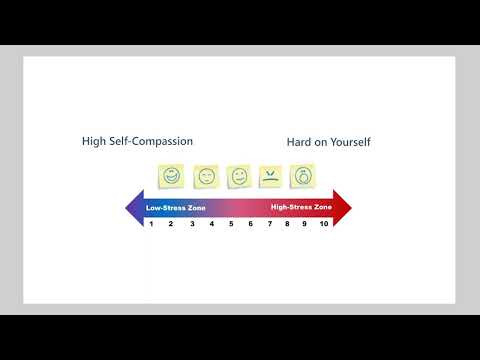
Hey, you ever heard of compassion fatigue?
It’s that feeling of being totally worn out from caring too much. We’re all about helping others, right? But sometimes, that can really take a toll on us.
Charles Figley is a big name in this field. He’s done some serious work in understanding how and why we can get so drained when we’re constantly giving emotional support.
You know how you feel when you’re just spent from listening to someone’s problems over and over? Yeah, it’s real.
Let’s chat about what compassion fatigue is, how it hits us hard, and why Figley’s insights are super relevant today. It might just open your eyes to the quiet struggles many face while trying to be there for others.
Understanding Charles Figley’s Compassion Fatigue: Causes, Symptoms, and Coping Strategies
Compassion fatigue is like this heavy backpack you wear all the time, even if you’re not climbing a mountain. It sneaks up on people who care deeply for others, especially those in helping professions. Charles Figley, a psychologist who kinda zeroed in on this concept, described it as emotional exhaustion that comes from caring too much. You know, when you feel drained just from listening to someone else’s pain.
So, what causes it? Well, there are quite a few things at play. First off, if you’re often exposed to trauma—like in healthcare, social work, or even teaching—you may start to absorb that stress. Then there’s the emotional investment you make with your clients or patients. You really connect with their struggles and sometimes forget to take care of your own feelings. Finally, not having enough support can make it way worse. If you’re trying to lift others up without any help yourself? Tough gig.
Now let’s talk about those symptoms you might notice. Compassion fatigue can show up in various ways:
- Emotional numbing: You might find yourself feeling less empathetic or connected.
- Physical symptoms: Fatigue and headaches can crop up when you’re stressed and overworked.
- Increased cynicism: If you start looking at the world through a pessimistic lens, that’s a red flag.
- Anxiety and depression: Feeling overwhelmed can hit hard.
- Irritability: Little things that didn’t bother you before suddenly do.
It’s tough because many times we think we’re fine until we’re not! Like Sarah, a nurse I know who was always there for her patients but eventually found herself feeling numb and detached. She didn’t realize how worn out she was until one day she just couldn’t get out of bed—talk about an eye-opener.
So how do you cope with this? Figley recommended several strategies that could help:
- Self-care: Take time for yourself; do something you love!
- Seek supervision: Talking about your feelings with someone more experienced can lighten the load.
- Create boundaries: It’s okay to step back sometimes; protecting your own mental space is super important.
- Nurture your support system: Surround yourself with people who uplift you and listen to your concerns.
The thing is, compassion fatigue isn’t a sign of weakness; it’s really just human nature when you’re constantly giving so much of yourself. Recognizing it is the first step towards taking care of yourself better. Remember: filling your cup means you’re in a better position to help others fill theirs too!
Understanding Charles Figley’s Concept of Secondary Traumatic Stress: Impacts and Solutions
Alright, so let’s break down Charles Figley’s concept of Secondary Traumatic Stress, or STS for short. It’s pretty fascinating but, honestly, it can get pretty heavy, too. Basically, STS refers to the emotional duress that happens when someone is exposed to the trauma of others. Think about it: if you’re a therapist or a first responder and you listen to someone recount their traumatic experiences day after day, that can really take a toll on your own mental health.
Figley coined this term back in the 1980s. He was all about understanding how helping professions are affected by the pain and suffering of others. You know how sometimes you feel drained after just hearing a friend talk about their issues? Multiply that by a hundred when it’s someone dealing with serious trauma.
So what are the impacts of STS? Here are some major ones:
- Emotional Exhaustion: You might feel completely worn out or emotionally flat. It’s like your emotional battery has run out.
- Hyperarousal: This means you could be easily startled or on edge all the time. Even small noises might make your heart race.
- Cynicism and Avoidance: You may start feeling cynical about your work or avoid situations where you have to deal with trauma altogether.
- Numbing Effects: Some folks actually find themselves feeling detached from their own emotions or from others, almost like they’re living in a fog.
The thing is, STS doesn’t just affect professionals; it can be encountered by anyone close to someone experiencing trauma—including family and friends. When my buddy went through a rough patch after losing his dad suddenly, I found myself checking in constantly, hoping I could help ease his pain. But over time, hearing him talk about his grief wore me down too. I felt heavy-hearted and even started withdrawing from my own social circles because I didn’t know how to cope with those feelings anymore.
Now onto solutions! What do we do about it? Well, Figley emphasizes several approaches that can help combat STS:
- Self-Care: This is massive! Engaging in activities that recharge you—like exercise, hobbies, and spending time with loved ones—is crucial.
- Peer Support: Talking with colleagues or other professionals who understand what you’re going through can lighten the load significantly.
- Therapy for Yourself: Seeking therapy isn’t just for clients! It’s super helpful for helpers too; you’re not alone in needing support!
- Adequate Training: Having proper training on managing trauma cases can help prepare individuals mentally and emotionally before stepping into those tough shoes.
The bottom line is: If you’re working in any field where you’re exposed to trauma—whether directly or indirectly—pay attention to your own mental health. So many people overlook their feelings while trying to support others but seriously neglecting your own needs only makes everything harder in the long run.
If we take Figley’s insights seriously and apply them thoughtfully, there’s potential for healthier relationships not only with ourselves but also with those we’re trying to help. That connection matters! And remember: it’s totally okay to seek help when you need it—you deserve it!
Exploring Charles Figley’s Contributions to Mental Health: Insights from Google Scholar
Charles Figley is a name that often pops up when you’re diving into the world of mental health, especially when it comes to **compassion fatigue**. So, what’s that even about? Well, compassion fatigue is this emotional state where someone becomes overwhelmed by the suffering of others and starts to feel worn out or even numb. It’s like being a sponge that’s squeezed dry.
Figley’s work has been pivotal in understanding this phenomenon. He coined the term “compassion fatigue” back in the 1980s, focusing on professionals who help people in distress, like therapists, nurses, and social workers. Can you imagine carrying everyone else’s pain on your shoulders? That can take a serious toll.
Through his research, Figley identified several key aspects of compassion fatigue:
- Empathy vs. Compassion Fatigue: He highlighted how a deep sense of empathy can lead to burnout when you’re exposed to trauma frequently.
- Signs and Symptoms: Figley pointed out various signs that someone might be experiencing compassion fatigue—like chronic fatigue, irritability, or feeling detached from loved ones.
- Coping Strategies: He also emphasized the importance of self-care and maintaining boundaries to help mitigate these feelings before they spiral into something deeper.
Speaking of self-care, I remember hearing about a nurse who worked in pediatrics. She was super compassionate but started feeling hopeless after seeing so many struggling kids. At one point, she just couldn’t shake that heaviness off her heart anymore. Figley would say she was probably experiencing compassion fatigue—maybe she needed to take some time for herself.
What’s cool is that Figley went beyond just defining compassion fatigue; he developed frameworks for understanding how this impacts not only individual caregivers but also the systems they work within. By examining the work environment and support systems around helping professionals, he aimed to create healthier workplaces.
So yeah, if you’re interested in delving into more of his contributions—and really want to geek out—you can find plenty on platforms like Google Scholar. There you’ll see research articles and publications where he dives deeper into issues surrounding trauma and caregiving.
In doing this work over decades, Charles Figley has dramatically shaped how we understand mental health in caregiving roles. His insights remind us that taking care of ourselves isn’t just a personal need; it’s essential for helping others effectively too.
Compassion fatigue is one of those heavy topics that can feel a bit overwhelming, you know? It sneaks up on you when you least expect it, especially if you’re in a caregiving role or working in the mental health field. So, let’s chat about what it really means, and why Charles Figley’s insights are pretty enlightening.
Figley, a psychologist who has really dived into this whole concept of compassion fatigue, basically describes it as the emotional strain that caregivers or therapists feel when they’re constantly exposed to others’ suffering. Imagine being the friend everyone turns to when times get tough. At first, it feels good to support them, right? But after a while, you might start feeling drained—like a battery that just won’t recharge.
I once had a friend who was a social worker. She was so dedicated to her clients but slowly became this shell of herself over time. I remember one afternoon she called me after a long day and said something along the lines of feeling like she was carrying everyone’s pain on her shoulders. That moment really hit home for me; she was doing amazing work but also paying the price with her own mental health.
What Figley points out is that compassion fatigue isn’t just about feeling tired—it can lead to burnout and even impact personal relationships. You may start feeling cynical or detached from clients or friends, which is tough because that’s not who you want to be! It’s like you’re trying hard to empathize and connect but feel this wall building between you and others.
So what can help? Figley suggests self-care strategies—like taking breaks or finding healthy ways to process that emotional load. It’s crucial to recognize your limits too; knowing when it’s time to step back is part of being compassionate toward yourself.
In short, compassion fatigue is real and can hit anyone in the helping professions pretty hard. But understanding it helps create space for healing—both for yourself and those you’re helping. Compassion isn’t just for others; it’s important we show ourselves some kindness too!