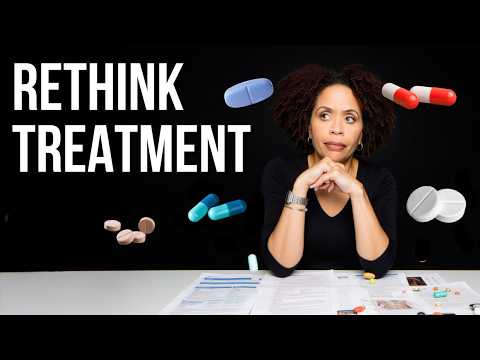
So, let’s chat about ADHD. It’s more common than you might think. Seriously, tons of people are navigating life with it.
But here’s the thing: managing ADHD can sometimes feel like juggling flaming swords while riding a unicycle. Not easy, right? Medications can help a lot, but they can also be pricey.
Finding affordable options can make a big difference in how you feel day to day. If you’re looking for some ways to ease that financial burden while still getting the help you need, stick around!
Top Medications for Managing ADHD and Depression: A Comprehensive Guide
Talking about ADHD and depression can feel a bit heavy, but let’s unpack it together, alright? People experience these conditions in different ways, and there are treatments out there. Often, medications are part of the conversation. So if you’re looking for something to help manage symptoms affordably, let’s break down some options.
First off, ADHD medications mainly fall into two categories: stimulants and non-stimulants. Stimulants like Adderall or Ritalin can be pretty effective for those with ADHD. They work by increasing certain chemicals in the brain that help improve focus and attention. Just remember that everyone reacts differently! Some people feel great on them; others not so much.
Then there are non-stimulants like Strattera. This one doesn’t work quite like the stimulants do but it’s still used a lot when people can’t tolerate the other meds. It might take longer to see the effects—sometimes up to several weeks—but hey, every option counts!
Now let’s switch gears a bit and talk about depression medications. Antidepressants can really help—especially selective serotonin reuptake inhibitors (SSRIs) like Prozac or Zoloft. These guys boost serotonin levels in your brain, which can lift your mood over time. It’s kind of like giving your brain a little nudge to feel better.
Sometimes folks with both ADHD and depression find themselves on a combination of meds—that’s totally normal! Having both conditions isn’t uncommon but managing them together might require some tweaking from your doctor to find the right balance.
And speaking of balance, we should mention affordability here too. If you’re worried about costs (and who isn’t?), consider talking to your healthcare provider about generic options. Generic versions of ADHD medications or antidepressants often cost less but have the same effectiveness as their brand-name counterparts.
But look—it’s not all just about pills! Therapy plays a huge role too in managing symptoms of both ADHD and depression. Combining medication with therapy can create better outcomes overall.
In summary:
- Stimulant medications are often first-choice for ADHD.
- Non-stimulant options exist if stimulants don’t work.
- SSRIs are commonly prescribed for depression management.
- Combining treatments may be necessary for those with both conditions.
- Generic medications can provide financial relief.
It may sound daunting at first, but figuring out treatment is definitely manageable with the right support system in place—so keep reaching out!
Top Non-Stimulant ADHD Medications for Adults: A Comprehensive Guide
If you’ve been struggling with ADHD as an adult, you’re probably already aware that medication can help. But maybe stimulants aren’t your thing—or they don’t work well for you. No worries! There are non-stimulant options out there that might be a better fit.
Let’s get into some of the most common non-stimulant medications for ADHD in adults.
Atomoxetine is one of the big players here. Unlike stimulants, it works on norepinephrine levels in the brain and isn’t considered addictive. It can take a bit longer to kick in—sometimes 4 to 6 weeks—but many people find it helps improve focus and reduce impulsive behavior over time.
Another option is Guanfacine. Originally developed for high blood pressure, it’s been found to help with ADHD symptoms too. It acts on certain receptors in your brain, helping to make you feel calmer and more focused. Some folks say they notice a difference pretty quickly, while others find it takes a bit longer.
Then there’s Clonidine, similar to Guanfacine but often used for sleep issues related to ADHD as well. It can help with hyperactivity and impulsivity too! Just keep in mind that one of its side effects might be drowsiness—so timing is key if you’re using it during the day.
Now, let’s talk about affordability because mental health care shouldn’t break the bank! Many non-stimulant medications tend to be cheaper than their stimulant counterparts. Since they are less commonly prescribed, finding generic versions at your pharmacy can also save you some bucks.
In addition to medication, therapy is vital for managing ADHD effectively. Behavioral therapy can help you learn new strategies for staying organized or improving relationships—all important parts of living well with ADHD.
You should really consult your doctor before trying any medication. They’ll consider all relevant factors—your health history, lifestyle, and personal preferences—before making recommendations.
So if you’re feeling overwhelmed by your symptoms and stimulants haven’t worked or weren’t right for you, don’t lose hope! Non-stimulant options are definitely worth exploring on your road to better mental health.
Top Medications for Managing ADHD and Anxiety: A Comprehensive Guide
Managing ADHD and anxiety can feel like juggling flaming torches sometimes. But hey, medications can help balance things out! Let’s break this down into bite-sized pieces, focusing on some of the top meds for both conditions, all while keeping it straightforward.
ADHD Medications
When it comes to Attention-Deficit/Hyperactivity Disorder (ADHD), there are primarily two types of medications: stimulants and non-stimulants.
- Stimulants: These are the most prescribed. They work by increasing certain chemicals in the brain that help with focus and impulse control. Common options include:
- Methylphenidate: You might know it by brand names like Ritalin or Concerta. Seriously, many people find this to be a game-changer.
- Amphetamines: Medications like Adderall and Vyvanse fall into this category. They’re effective for many folks but can have side effects like appetite suppression or sleep issues.
- Non-stimulants: These can be useful if stimulants aren’t your thing or if you have a history of substance abuse. Options here include:
- Atomoxetine (Strattera): It’s a good choice if you’re looking for something less intense. It works differently than stimulants and can be taken once daily.
- Guanfacine (Intuniv): This one’s often used to manage symptoms without some of the stimulant side effects. It helps with impulsivity and hyperactivity.
Now, it’s important to understand that finding the right ADHD medication is kinda like dating—you might try a few before finding “the one.” Everyone’s different!
Anxiety Medications
Anxiety throws many of us off balance, but luckily there are medications that can help calm those racing thoughts.
- Benzodiazepines: These provide quick relief, but they’re usually prescribed for short-term use due to dependency concerns. Examples include Xanax and Ativan. They might help you chill out before a big event.
- Selective Serotonin Reuptake Inhibitors (SSRIs): Drugs like Zoloft and Prozac fall into this category. They’re more about long-term relief instead of immediate fixes. With time, they can really help stabilize your mood.
- SNRIs (Serotonin-Norepinephrine Reuptake Inhibitors): Venlafaxine (Effexor) is an SNRI that’s often effective for anxiety as well as depression. It’s good at balancing those neurotransmitters in your brain!
It’s super important to remember something crucial—medication shouldn’t be the only tool in your toolbox when managing these issues! Therapy, lifestyle changes, mindfulness practices—these all play huge roles.
A Final Note on Affordability
Navigating the cost of meds can feel daunting sometimes, especially if you’re trying to juggle budgets. Generic versions of these medications do exist and they typically cost less than their brand-name counterparts.
So when you’re talking to your doc about options, don’t hesitate to ask about generics or patient assistance programs that might be available—the goal is better mental health without breaking the bank!
By working closely with your healthcare provider and exploring different avenues—medication included—you can find what works best for you amidst the chaos of ADHD and anxiety!
Let’s talk about ADHD for a second. You know, it’s one of those things that really gets under the skin for a lot of folks. It’s not just about kids bouncing off the walls; it can seriously impact someone’s daily life, work, and relationships. When my buddy Mark was diagnosed with ADHD as an adult, it was like he finally got some clarity on what he’d been struggling with all his life. But here’s the kicker—his insurance didn’t cover his medication fully. Suddenly, something that could help him feel more focused and manage his symptoms became a financial weight.
Now, medications can vary in cost like crazy. If you’re lucky enough to have solid insurance or a job that offers benefits, that’s awesome! But if you don’t? It can feel frustrating when you realize that relief and support come with price tags that seem impossible to manage on your own. You want the tools to help you navigate your day better but might end up grappling with bills instead.
There are some generics out there which can save you a bit of cash if brand-name meds seem out of reach. But even so, navigating the pharmacy landscape can feel overwhelming sometimes. I mean, who knew picking up meds could make you feel like you’re trying to solve some sort of puzzle?
And let’s not forget about lifestyle changes or therapy options too. They’re totally important but also often depend on what fits into your budget—and that’s no cakewalk either! Mark ended up finding a community support group that felt like gold to him; they shared resources and even tips on accessing affordable meds.
At the end of the day, it shouldn’t be this complicated or financially draining to get treatment for something as significant as ADHD. It really emphasizes how much we need broader conversations about mental health access—because everyone deserves a shot at feeling better without losing their shirts over it! So yeah, whether it’s through cheaper meds or finding community resources, there’s gotta be a way to make this easier for people dealing with ADHD and similar challenges in life.