So, you’re feeling a bit off, huh? Maybe it’s anxiety or that heavy blanket of sadness. You’re not alone. Seriously, so many people are in the same boat.
And then there’s the whole med thing. SSRIs? They pop up a lot when we talk about mental health. They can help lift those clouds, but the cost can be a total bummer, right?
Look, let’s chat about some affordable options out there. Because taking care of your mental health shouldn’t break the bank. Sound good? Let’s dive in!
Affordable SSRIs: Discover the Cheapest Options Without Insurance
So, SSRIs, or selective serotonin reuptake inhibitors, are a big deal when it comes to treating depression and anxiety. If you’re struggling with your mental health but don’t have insurance, you might be wondering how on earth you can afford these medications. It’s not the easiest topic to navigate—believe me.
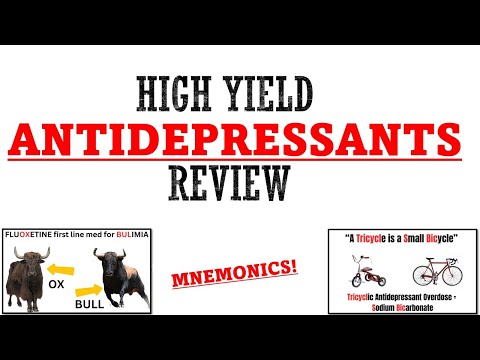
Basically, SSRIs work by helping to increase the levels of serotonin in your brain. This neurotransmitter is super important for mood regulation. Common SSRIs include drugs like fluoxetine (Prozac), sertraline (Zoloft), and escitalopram (Lexapro). While these can be really helpful, they also come with a price tag that can scare some people away.
Here’s where it gets interesting! There are affordable options out there if you dig a little deeper. Many pharmacies offer generic versions of these medications, which tend to be way cheaper than their brand-name counterparts. For example:
- Fluoxetine: A well-known generic version of Prozac.
- Sertraline: The generic form of Zoloft.
- Escitalopram: Known as Lexapro’s generic.
These generics can still give you the relief you need without breaking the bank.
Now let’s talk about prices. Without insurance, here’s what you might expect:
– Fluoxetine: It often hovers around $4 to $10 for a 30-day supply.
– Sertraline: Can be found in that same price range—around $10 or so.
– Escitalopram: Could be around $15-$30 depending on where you go.
Keep in mind that prices may vary based on your location and the pharmacy itself.
In addition to generics, consider looking into patient assistance programs. A lot of pharmaceutical companies offer help for those who can’t afford their drugs, even without insurance. They might give you discounts or offer free medication under certain conditions.
Also, think about reaching out to community health centers or clinics near you. They often provide services on a sliding scale based on your income and may have low-cost options for mental health medications.
And let’s not forget about online pharmacies! Some reputable ones operate at lower prices than traditional ones do. Just make sure you’re getting your meds from a licensed pharmacy—safety first!
For many people dealing with mental health issues like depression and anxiety, finding affordable SSRIs offers a crucial lifeline. It doesn’t have to feel impossible to manage your mental wellness without financial strain; it just takes a bit of research and being proactive about what’s available out there.
So yeah, while navigating this whole process might feel overwhelming at first—don’t hesitate to ask questions and seek support wherever you can! You deserve access to the help that works best for you without feeling crushed by costs.
Understanding Brain Fog: Do SSRIs Contribute to Cognitive Impairment?
Brain fog can feel like a thick cloud settling over your mind, making it hard to think clearly or focus on tasks. Many people describe it as that fuzzy, hazy feeling where even simple tasks become a struggle. It’s not an official medical term, but if you’ve ever felt lost in thought or unable to remember why you walked into a room, you know what I mean.
Now, let’s chat about SSRIs, or selective serotonin reuptake inhibitors. These medications are commonly prescribed to help with depression and anxiety by boosting serotonin levels in the brain. Sometimes they can help clear up that brain fog for folks who were feeling down. But here’s the catch: for some people, SSRIs might actually contribute to cognitive impairment, including brain fog.
You see? Everyone reacts differently to meds. While some folks report their minds feel sharper after starting SSRIs, others notice side effects like trouble concentrating or memory lapses. It can be super frustrating when you’re trying to manage your mental health and then feel all muddled in your thoughts.
Here are a few things to consider:
- Serotonin and cognition: Serotonin plays a big role in mood regulation AND cognitive functioning. So if your levels are out of whack due to medication changes, it could affect how clear your mind feels.
- Dosage matters: Sometimes, the dosage of an SSRI might be too high for someone’s body chemistry. This could lead to that pesky brain fog.
- Withdrawal effects: If you’re coming off SSRIs too quickly, you might experience withdrawal symptoms that include cognitive issues—like confusion or memory problems.
- Lifestyle factors: Things like sleep quality, diet, and exercise play huge roles in mental clarity too! If these aren’t balanced while you’re on SSRIs, it might not be the meds causing the fog.
For some people I’ve spoken with about their experiences, they’ve shared tales of feeling super spacey while adjusting to new dosages or switching meds entirely. It’s like one day they’re fine and then suddenly—bam!—they can’t focus on anything for more than five minutes.
But don’t lose hope! In many cases, once your body adjusts or the doctor fine-tunes your medication regimen, those cloudy moments often start clearing up over time. If you find yourself stuck in this fog after starting an SSRI—or even if you’ve been on them for a while—it’s seriously worth discussing with your healthcare provider.
Mental health isn’t one-size-fits-all; what works wonders for one person could be just what makes another feel worse. So let them know what you’re experiencing! After all, clarity matters—not just in our minds but in our lives too!
So, let’s chat about SSRIs. You know, those selective serotonin reuptake inhibitors that people often turn to when they’re feeling down or dealing with anxiety? They can be pretty helpful for a lot of folks. But here’s the thing—affordability can be a huge hurdle for many.
I remember a friend of mine who struggled with depression. She was really hesitant to try medication because she had heard horror stories about side effects and all that. Eventually, she made the leap and got prescribed an SSRI. But then came the real kicker: cost. Her insurance didn’t cover it fully, and those little pills started to feel like a luxury item instead of a necessity.
It’s wild how something so small could weigh so heavily on someone’s mental health journey, right? For her, just being able to afford her medication took a huge load off her shoulders. It’s like you can focus on feeling better instead of stressing about money all the time.
But affordability isn’t just about the price tag; it’s also about accessibility. Not everyone has easy access to healthcare or knows how to navigate the complicated world of insurance policies. And that’s frustrating! Some people might end up skipping their meds altogether because they can’t afford them or simply don’t know what options are available.
Generic versions of SSRIs can help make things easier on your wallet, but there’s still a stigma around using medication for mental health issues. You hear people say things like “Just talk it out!” when sometimes, what you really need is help balancing those brain chemicals.
So, yeah, while SSRIs can be super beneficial for many individuals looking for some mental health support, we gotta keep talking about access and affordability—because everyone deserves the chance to feel good without breaking the bank or battling through hurdles just to get there.