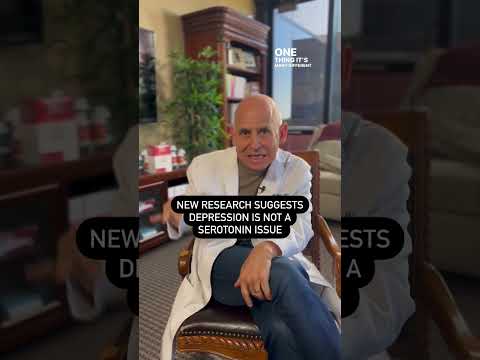
Hey, so let’s chat about this thing called chemical imbalance. You might’ve heard the term tossed around a lot, especially when it comes to depression. It’s like a buzzword, right? But what does it really mean?
You know how sometimes you just feel off? Like your brain is kinda playing tricks on you? Well, that’s where the chemical part comes in. It’s all about those little messengers in your brain—neurotransmitters—acting up.
Now, don’t freak out! We’re not diving into some complex science here. Just think of it like your brain needing a tune-up once in a while. And trust me, it can make a huge difference in how you feel. So let’s dig into this whole idea of chemical imbalance and why it matters for treating depression. Sound good?
Understanding the Role of Chemical Imbalances in Depression: A Comprehensive Guide
Alright, let’s break down the whole chemical imbalance thing when it comes to depression. You might’ve heard people say that depression is caused by a chemical imbalance in the brain, and it sounds pretty straightforward, right? But there’s a bit more to it than just that simple phrase. You with me?
So, first things first: what’s this “chemical imbalance” thing all about? Basically, our brains are like a super complex orchestra. In this orchestra, neurotransmitters are the musicians playing their parts. Neurotransmitters are these tiny chemicals that help transmit signals in our brains. The big players in the depression game are serotonin, dopamine, and norepinephrine.
If your levels of these neurotransmitters aren’t quite right—like if your serotonin is low—you might start feeling down or even hopeless. But here’s where it gets tricky. It’s not just about having enough of these chemicals; it’s also about how they work together and interact with various systems in your body.
Research shows that while imbalances can play a role in depression, they’re not the entire story. Stressful life events, genetics, and even physical health can influence your mental state too! It’s like looking at a puzzle; some pieces show chemistry while others reveal life circumstances.
Now picture this: imagine someone named Jake. He’s been feeling super low lately—trouble sleeping, no energy to get out of bed, and everything feels like a drag. Doctors might consider a chemical imbalance as part of what’s going on with him but they also need to look at other parts of his life. Maybe he lost his job or went through a rough breakup—those things can mess with your mood big time!
So when we talk about treatment for depression related to these imbalances, we often think medications. Antidepressants like SSRIs (selective serotonin reuptake inhibitors) help increase serotonin levels in the brain. But remember: medication isn’t always the magic bullet! Therapy can play an equally important role.
- Therapeutic approaches: Things like cognitive behavioral therapy (CBT) tackle negative thought patterns that contribute to depression.
- Lifestyle changes: Exercise and good sleep hygiene can boost those neurotransmitters naturally!
- Support systems: Surrounding yourself with supportive friends or family can also help lift you up during tough times.
The bottom line? Sure, chemical imbalances matter when dealing with depression—it’s one piece of a much bigger puzzle! And for Jake or anyone else feeling down, understanding that there are different factors at play might just be a step toward finding balance again.
Mental health is complex and personal; what works for one person may not work for another. If you’re ever feeling overwhelmed by it all—or if you know someone who is—it helps to reach out for support from professionals who really get this stuff.
Understanding the Role of Chemical Imbalances in Depression: Insights from Recent Studies
Depression can feel like a heavy fog that just won’t lift, right? For a long time, folks believed that it was all about a chemical imbalance in the brain. But what does that really mean? Let’s break that down.
The idea of chemical imbalances means that our brains might not have the right levels of certain chemicals, called neurotransmitters. These little guys are crucial because they help send signals between brain cells. The major players often discussed include:
- Serotonin: Often linked to mood and feelings of happiness.
- Dopamine: Associated with pleasure and reward.
- Norepinephrine: Involved in stress response and alertness.
Now, researchers found that people with depression may have lower levels of these neurotransmitters. But it’s not just about being low—it’s about balance. A study showed that those who had higher serotonin levels tended to feel better overall. Although the science is still evolving, many believe there’s more complexity to this picture.
Think about it this way: if one part of your brain is like a jazz band playing out of sync, it doesn’t matter how great each musician is individually; the music will sound off. You follow me? It’s not just the presence or absence of these chemicals but their interaction and balance that matters.
While medication can help adjust these imbalances—like with SSRIs (selective serotonin reuptake inhibitors)—it’s not a magic bullet. You know? Lots of people try medication only to find mixed results, or they may need additional therapies on top of meds. This includes things like cognitive-behavioral therapy (CBT), which aims to change negative thought patterns.
There’s also the issue of individual differences—our brains aren’t all wired the same way! That means one person’s “perfect balance” could be totally different from another’s. It gets even trickier when you add in stressors from life situations—like losing a job or going through a breakup—that can push you into deeper feelings of depression.
Recent studies suggest looking beyond just chemicals. They argue for considering genetics and environmental factors too—basically how your upbringing and experiences shape you emotionally. Some folks might have genetic predispositions that increase vulnerability to depression when combined with stressful life events.
And let’s be clear; no one wants to feel stuck in depression! Understanding these pieces helps us realize there’s no one-size-fits-all answer here. If you or someone close to you has been battling depression, talking it out with a healthcare professional can help unravel what might work best for your specific situation.
So while chemical imbalances play a role in depression treatment, they’re just part of a bigger puzzle made up of personal history, lifestyle choices, and emotional health strategies. The reality is complicated—but knowing about this stuff can lead us closer to feeling better!
Natural Remedies for Chemical Imbalance: Can They Truly Heal Mental Health?
So, you’ve probably heard the term “chemical imbalance” tossed around when discussing mental health, especially depression. It’s like the go-to explanation for a lot of things, but it’s a bit more complicated than that. The idea is that your brain’s chemicals, like neurotransmitters—think serotonin and dopamine—are out of whack. But can natural remedies really fix this? Let’s break it down.
First off, chemical imbalances aren’t fully understood. While there’s evidence that neurotransmitter levels can influence mood, it’s not just about those chemicals being low or high. It’s like trying to fix a broken car by just throwing in some oil without checking what else is wrong.
Now, onto the natural remedies part. These are things like herbs, supplements, diet changes, and lifestyle tweaks. Here are some key points to consider:
But here’s the kicker: while these remedies might help some folks feel better, they aren’t magic cures. It goes deeper than popping a pill or making a smoothie every day.
Let me share an example here: my friend Jamie went through a tough phase with her mental health. She tried everything from yoga to herbal teas instead of medication at first because she wanted to avoid those side effects everyone talks about. And sure enough, she felt a bit better after adopting healthier habits and taking some supplements regularly—but it wasn’t until she added therapy into the mix that things really turned around for her.
You see? Natural remedies can complement traditional treatments but shouldn’t be seen as standalone solutions for serious mental health issues like major depression or anxiety disorders.
In short, embracing natural approaches to improve your mental well-being could help boost how you feel overall—but they’re not substitutes for professional treatment when needed. If you’re struggling with mental health symptoms significant enough to affect your daily life—don’t hesitate to reach out for help from a healthcare provider who understands this stuff inside out!
So yeah, think of natural remedies as part of your toolkit but remember that sometimes you need all the tools available to truly heal!
So, you know, the whole idea of chemical imbalance in relation to depression is kinda like a big debate in the mental health world. Some people swear by it, while others think it’s a bit too simplistic. But let’s break it down a bit.
When someone talks about chemical imbalance, they’re usually referring to how certain brain chemicals – you know, neurotransmitters like serotonin and dopamine – can affect your mood. If these chemicals are off-kilter, it might contribute to feeling depressed or anxious. It’s easy to think of depression as just being sad or down; but honestly, it’s way more complex than that.
I remember talking to a friend who struggled with depression for years. She described it as feeling like she was walking around in a fog all the time. Nothing seemed fun or exciting anymore. After trying different treatments, she finally found that medication helped balance her brain chemistry in a way that made her feel more like herself again. But here’s the catch: not everyone responds to medication the same way! And that’s part of what makes this so frustrating.
On one hand, medications can be super helpful for many folks, acting kind of like a pair of glasses for your brain’s wiring—like helping you see things more clearly when things are fuzzy. On the other hand, some people don’t find relief with meds at all and might do better with therapy or lifestyle changes instead.
What happens is that your brain’s chemistry isn’t just about those neurotransmitters; it’s also influenced by your environment and life experiences. Stressful situations can really throw those chemicals off balance too! So when treating depression, it’s essential to consider both sides—biological factors and personal experiences.
Honestly, it can feel overwhelming trying to figure out what works best for you—or even just understanding what’s going on inside your head! But know this: whether it’s through meds or talk therapy (or both), finding support is key. You don’t have to figure this out all on your own; there are people out there who want to help you navigate through the fog.
In short? The conversation about chemical imbalances in depression isn’t cut-and-dry—it’s filled with shades of gray and individual experiences. That just means there’s hope and plenty of options out there for anyone feeling stuck.