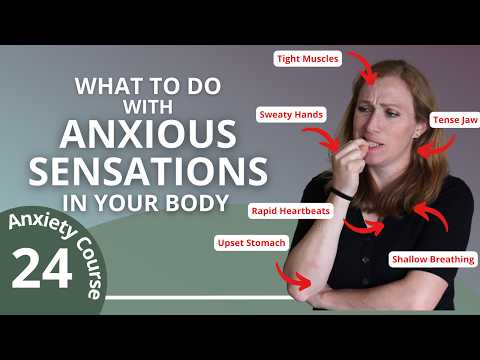
You know that feeling when your chest gets all tight? Like someone’s squeezing the life out of you? It’s wild how anxiety can really mess with your body, right?
Sometimes it sneaks up on you. You’re chilling, and then boom! Your heart races, and you’re left wondering what the heck just happened.
Managing that tightness can feel like a struggle. But trust me, you’re not alone in this. We all have our moments, and there are ways to ease that tension.
So let’s chat about some real-life ways to tackle anxiety and those pesky physical symptoms. You ready?
Effective Strategies to Alleviate Anxiety Tightness and Restore Calm
Anxiety can really mess with your body. You know that feeling when your chest feels tight, or maybe it’s like there’s a weight on your shoulders? Yeah, most people have been there. So, let’s take a look at some natural ways to help you feel more relaxed and less tense.
- Deep Breathing: This is super simple but effective. Just find a comfy spot, close your eyes if you want, and take slow breaths. Inhale through your nose for four counts, hold for four counts, and then exhale through your mouth for six counts. You’ll be surprised how much this can chill you out.
- Progressive Muscle Relaxation: This one’s cool because it helps you become aware of how tension feels. Start at your feet and work your way up to the top of your head, tensing each muscle group for a few seconds before letting go. It honestly feels like giving yourself a little mini massage from the inside out.
- Meditation: Yeah, I know—meditation may sound all new-agey or something, but it can really help calm that swirling anxiety. Even just five minutes of focusing on nothing but your breath can work wonders. Just sit back and let everything else fade away.
- Grounding Techniques: When anxiety hits hard, try grounding yourself in the moment. One popular method is the 5-4-3-2-1 technique where you name five things you see, four things you can touch, three sounds you hear, two things you smell (or remember), and one thing you feel emotionally right now.
The thing is—you often forget to check in with yourself when anxiety kicks in. Seriously! It might help just to grab a pen and paper to jot down how you’re feeling or what you’re thinking about at that moment.
You could also try talking it out with someone—a friend or even a therapist could help lighten that load you’re carrying around mentally or physically. Sometimes just sharing what’s going on in your brain makes it feel less heavy!
If those tight feelings keep coming back even after trying some of these strategies? It might be worth chatting with a professional about other options that could work better for you personally—everyone’s journey is different!
You deserve to feel relaxed and at ease in your own skin! So don’t hesitate to carve out time for yourself each day to try some of these strategies; they’re there for a reason.
Understanding the Connection: How Anxiety Can Cause Muscle Tightness in Your Body
Anxiety is one of those tricky things that can sneak up on you in a million ways. You know, like when you’re sitting at your desk, and suddenly your shoulders feel like they’ve got weights tied to them? That’s not just in your head; it’s a real thing. Muscle tightness is one of the many symptoms that can tag along with anxiety.
When you feel anxious, your body goes into this state called «fight or flight.» It’s like your brain flips a switch saying, “Hey! There’s danger!” So, what happens? Your muscles get ready to either run away or fight back. This involuntary response leads to tension and tightness in various parts of your body. Your neck, shoulders, and even your jaw might feel clenched as if they’re bracing for something bad.
This muscle tightness can get pretty uncomfortable. I had a friend who used to say she felt like she was carrying around a backpack full of rocks all day long when her anxiety flared up. And honestly? That feeling is all too common for people dealing with stress and anxiety.
So why does this happen? Well, anxiety activates the sympathetic nervous system, which is responsible for those physical reactions to stress. Your body produces hormones like adrenaline and cortisol—these guys are meant to help you respond quickly but can also leave you feeling wired and tense.
Now let’s break it down a bit:
- Fight or Flight Response: This is your body saying «look out!» Muscles tighten as if you’re preparing for physical action.
- Chronic Stress: If anxiety sticks around for long periods, those muscles might stay tense all the time.
- Poor Posture: Anxiety can also make you hunch over or tense up without realizing it, leading to more discomfort.
You might notice that some people hold their tension in different ways. For example, maybe you clench your fists without even knowing it. Or perhaps your legs bounce restlessly when you’re waiting for something stressful to happen. It varies from person to person!
If you’re dealing with this muscle tightness due to anxiety — you’re not alone! Finding ways to manage both the mental and physical aspects can seriously help ease that feeling. Techniques such as deep breathing exercises or progressive muscle relaxation can be beneficial.
I remember going through my own bout of anxiety where I couldn’t shake the tightness in my chest—it felt like an elephant was sitting right on me! That made simple things like laughing or talking seem heavy because I was too focused on how uncomfortable my body felt.
Getting into regular exercise helps too! Not only does moving around reduce tension directly by loosening those muscles up but it also releases endorphins—those little mood boosters that counteract feelings of stress and anxiety.
So basically, if anxiety is cranking up that muscle tightness back home in your body, recognizing why it’s happening is the first step towards feeling better. Learning how to chill out those muscles while getting some support for managing anxiety could make all the difference in how comfortable you feel day-to-day!
Understanding the Connection: Does Anxiety Lead to Body Tightness?
Anxiety can really mess with you, huh? One of the sneaky ways it shows up is through physical sensations, especially that annoying feeling of tightness in your body. It’s like your muscles just decide to throw a party without telling you! So, let’s break this down a little.
First off, when you’re anxious, your body’s natural response is to go into fight-or-flight mode. This is an instinctive reaction to perceived threats. And what does that mean for your body? Well, basically, it ramps up muscle tension. You might have noticed this in stressful situations. Your shoulders creep up towards your ears and your back feels all knotted up. Fun times, right?
Muscle tension isn’t just an inconvenience; it’s also a sign of the anxiety brewing underneath the surface. When you’re stressed or panicking, your body gets ready to either fight or flee—which means it holds onto tension in case you need to spring into action. But more often than not, you’re just sitting there worrying about that upcoming presentation or dealing with life’s curveballs.
Now let’s talk about chronic anxiety. If anxiety sticks around longer than a bad house guest, those tight muscles can lead to pain and discomfort. Think about it: if you’re constantly tense because of stress or worry, your muscles start feeling fatigued and sore over time. Imagine trying to lift weights every day without rest—your body would scream at you too!
And here’s the kicker: when you feel that tightness from anxiety, it can create a vicious cycle. You notice the discomfort and then get anxious about being tense—which only makes things worse! It’s like running on a hamster wheel—exhausting and not going anywhere.
So how can you handle this? Seriously consider finding ways to relax those muscles and manage anxiety effectively. Things like deep breathing exercises or yoga can work wonders for releasing that built-up tension in your body.
A few strategies include:
- Mindfulness meditation: helps ground you in the moment.
- Progressive muscle relaxation: involves tensing and relaxing different muscle groups.
- Regular exercise: even a daily walk can be super effective for both mind and body.
These approaches help signal to your brain that it’s time to chill out a bit. You know what else really helps? Talking about how you feel—whether it’s chatting with friends or working with a therapist who gets where you’re coming from.
In the end, what’s important is recognizing that the connection between anxiety and body tightness is real—it’s all part of our human experience. So next time those tight shoulders start creeping up on you during a moment of stress or worry, remember there’s hope in managing it! Taking steps towards relaxation might just lead to some serious relief for both your mind and body.
You know that feeling when anxiety creeps in? It’s like an invisible weight tightening around your chest. It can be pretty overwhelming, right? I remember a time when I was heading into a big meeting at work. My heart was racing, palms sweaty, and there it was—this tightness wrapping around me, like too-tight shoelaces. I thought I was going to faint or something. But after a bit, it became clear: that sensation is just my body’s way of shouting “Hey! There’s stress here!”
So, managing anxiety is kind of like understanding the signals your body sends you. Like, if you’re feeling that tightness, it’s not just random; it’s your mind and body reacting to whatever’s going on. The trick is figuring out how to ease those feelings before they take over.
One method I found helpful involves breathing—seriously! It sounds simple, but when you take slow, deep breaths in through your nose and out through your mouth, it can help relax those tight muscles. Start with just a few minutes; you might feel your chest loosen up a bit after that.
Another thing I’ve noticed is the power of movement. Even a short walk can shake off some of that tightness. It’s like telling your brain, “Hey buddy, we’re okay!” Plus, there’s something about getting outside—like fresh air works wonders for the mind.
And let’s not forget about talking it out with someone you trust. Sometimes just saying what you’re feeling can lighten that load and make everything seem more manageable. Once I opened up to a friend about my anxiety rollercoaster ride before meetings; they shared similar experiences. Suddenly I felt less alone.
At the end of the day, even if those sensations don’t disappear entirely right away—and hey, they might never really go away completely—it helps to have some tools in your pocket for when they show up again. You’re human; we all have our moments. But knowing there are ways to cope? That’s pretty empowering!