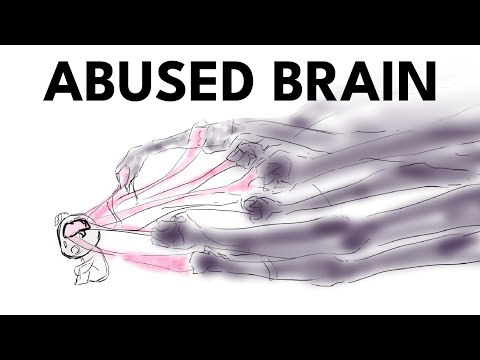
You know, it’s kinda wild how some kids seem to just shine, right? But then there are those who, like, take it to a whole new level. They have that swagger that can be almost captivating. But what if that shine masks something deeper?
Narcissism in childhood isn’t just about being the kid who hogs the spotlight at every birthday party. It digs deeper into how they see themselves and relate to others. And let me tell you, it can really mess with their mental health later on.
I once knew a kid who was super charming; everyone adored him. But as we got older, it became clear that his need for attention took a toll on his friendships and self-worth. It’s kinda heartbreaking if you think about it.
So yeah, let’s dig into this whole thing. You’ll want to stay tuned because we’re talking about serious stuff here—how being a little too self-centered as a kid can echo into adulthood.
Exploring the Roots of Narcissism: How Childhood Experiences Shape Adult Behavior
Narcissism is one of those terms that gets tossed around a lot, but it’s way more complex than just someone being self-centered or vain. It actually roots itself in childhood experiences, and understanding this can help us figure out why some adults display this behavior.
Often, kids who grow up in overly indulgent environments develop narcissistic traits. You know the type: parents who shower their kids with praise for every little thing, even if it’s not deserved. “Oh, look at you! You drew a stick figure! You’re such an artist!” This constant validation might seem harmless at first, but it sets unrealistic expectations. Later in life, these individuals might struggle with realistic self-assessment.
On the flip side, there are children raised in overly critical households. Imagine growing up where nothing you do feels good enough—no love unless you achieve something big. This can lead to a defense mechanism where they turn to narcissism to cope. They create a facade of superiority to hide their feelings of inadequacy and low self-esteem.
Pressure from parents can also come into play here. If parents expect their child to be perfect or fulfill dreams they never achieved themselves, that child can feel suffocated. They may start feeling that their value comes from meeting those expectations rather than being themselves.
Next, let’s talk about emotional neglect. When children aren’t given the emotional connection they crave, they might develop a sense of entitlement later in life—a need for recognition and admiration because they weren’t getting it as kids. So when they grow up and don’t receive the attention they think they deserve? It hurts more than you’d realize.
Now looking at relationships is important too; narcissists often struggle with empathy or understanding others’ feelings because their childhood taught them to focus solely on their own needs and desires. Their past shapes how they interact with friends, partners, or even colleagues.
To make matters even trickier, society sometimes rewards narcissistic behavior—think about influencers or people who thrive on social media likes and followers! Those external validations become addictive for someone already struggling with self-worth issues.
So what does this all mean for mental health? Essentially, if you’ve got someone who has been shaped by these experiences into becoming narcissistic, they’re likely hiding deeper issues beneath that confident exterior—like anxiety or depression—and those can seriously impact their relationships down the road.
If you’re ever dealing with someone exhibiting these traits—or maybe noticing them within yourself—understanding where this all comes from helps not just in healing but also in building healthier connections based on genuine support rather than superficial admiration.
In short: childhood experiences play a massive role in shaping adult behavior related to narcissism. Whether through overly positive reinforcement or harsh criticism—and everything in between—those formative years lay down the groundwork for how we navigate our lives later on. Understanding this can be key not just for personal growth but also fostering compassion toward others on similar paths.
Understanding the Impact of Narcissism on Mental Health: Key Insights and Implications
Narcissism can be a tricky thing, especially when it comes to mental health. When we think about narcissism, we usually picture someone who’s overly confident or self-absorbed. But what about the little ones? That’s where it gets really interesting.
Narcissism in childhood can lead to some serious mental health implications later on. Kids who grow up in narcissistic environments often struggle with emotional development. They might not learn how to empathize or understand other people’s feelings because they’re too focused on their own needs.
Imagine a kid, let’s call him Jake. Jake always needs to be the center of attention. His parents shower him with praise, but they rarely acknowledge his mistakes or encourage him to consider others’ feelings. So, he grows up thinking the world revolves around him. As an adult, Jake may find it tough in relationships and might even develop anxiety or depression when things don’t go his way.
Now, let’s break down some key insights about the impact of narcissism:
- Lack of Empathy: Narcissistic children often have difficulty showing empathy towards others, which can lead to social isolation.
- Unrealistic Self-image: They might develop an inflated sense of self-worth that doesn’t match reality.
- Fear of Rejection: If they’re faced with criticism or failure, they can react strongly—sometimes with anger or withdrawal.
- Difficulty in Relationships: Building healthy relationships can be hard for adults who had narcissistic tendencies as kids; they may struggle with intimacy.
So what does this mean for their future? Well, it’s a bit like building a house on shaky ground. If kids don’t learn how to handle their emotions and interact positively with others early on, it may create problems down the line.
To put it simply—narcissism doesn’t just affect individuals; it ripples through families and communities. You could say that by understanding these patterns in childhood, we give ourselves a chance to intervene early and help kids develop healthier coping mechanisms.
In short, recognizing and addressing narcissistic traits early on is crucial for mental health down the line. It helps shape not just the individual but also how they connect with those around them—kind of like creating a healthier cycle for everyone involved. And honestly? That’s something we all could use more of these days!
Exploring the Connection Between Childhood Trauma and Narcissism: Understanding the Impact on Mental Health
Childhood trauma can have a huge impact on someone’s mental health, and one of the more complex things that can sprout from it is narcissism. Basically, when kids experience trauma—like abuse, neglect, or overwhelming stress—they often develop coping mechanisms that help them survive those rough situations. But sometimes, those mechanisms can twist into something unhealthy.
Narcissism isn’t just about being self-absorbed; it’s a way of dealing with insecurity and emotional pain. You see, children who face trauma may not get the love and validation they need. In an effort to shield themselves from further hurt or rejection, they might build up this inflated self-image to feel special or superior. It’s like wearing armor made of ego.
Here are some points to understand this connection better:
Storytime: I remember this friend who used to brag about his accomplishments all the time. He’d talk over everyone else and seemed totally confident in himself. But if you looked closer, you’d notice how defensive he got whenever someone questioned him or pointed out his mistakes. Turns out he had a tough childhood—his parents were emotionally absent and only praised him when he did something “great.” It was like he needed to prove his worth constantly.
So basically, trauma can shape people into narcissistic versions of themselves as a defense mechanism. Understanding this connection gives insight into their behavior and helps us frame compassion rather than just judgment.
As these individuals grow up, the impacts don’t just vanish; many struggle with relationships because they typically prioritize their own needs above others’. This leaves them feeling isolated despite being around people—kind of ironic when you think about it!
Therapeutic approaches, like cognitive-behavioral therapy (CBT), can be effective for addressing the roots of both childhood trauma and narcissistic behaviors. Therapy helps people unpack those experiences and learn healthier ways to cope.
In short, exploring the link between childhood trauma and narcissism reveals how deeply our early years shape our mental health later on in life. You might wonder why compassion matters here—it’s because understanding leads us toward healing—for both ourselves and others caught in similar patterns.
You know, when we think about narcissism, it’s easy to picture a self-absorbed adult, right? But it kinda starts way earlier than that. Kids can show signs of narcissistic traits, and honestly, the effects can stick with them longer than we’d like to think.
I remember my buddy from school who always had to be the center of attention. Every story he told was like an Oscar-winning performance. At first, it was entertaining, but it quickly became exhausting. He struggled to empathize with anyone else’s feelings and didn’t really seem to care how others felt about him. There was this one time when a friend got upset about something at recess and instead of comforting her, he just moved on to find someone else who would laugh at his latest joke.
So what does that mean for kids raised in an environment where narcissism is prevalent? Well, those kiddos might develop some pretty shaky foundations when it comes to emotional health down the line. They might struggle with relationships because genuine connection requires vulnerability and empathy—things that don’t come easily if you’ve been taught that you should always be ‘the best.’
They could also face anxiety or depression later in life when their reality doesn’t match up with their expectations of themselves or the world around them. Imagine living under this constant pressure to shine bright! It’s no wonder that kids feeling pressured like this often end up having serious mental health challenges as they grow older.
Plus, if they never learned how to handle criticism or deal with failure—because narcissism can create this bubble where anything less than perfection feels like a disaster—they might find themselves crumbling when life throws those inevitable curveballs their way.
I guess what I’m saying is: raising our kids with a balance of self-love and compassion for others is super important. A little bit of confidence is great! But if we don’t teach them how to share the spotlight and appreciate those around them, we might be setting them up for a tough ride in adulthood. It’s definitely something worth thinking about as we shape the next generation’s understanding of themselves and their relationships!