So, here’s the thing: childhood onset schizophrenia is a pretty heavy topic. It’s not something we hear about every day, and honestly, it can sound super scary—especially for parents or friends trying to understand what’s going on.
Imagine being a kid, dealing with normal stuff like school and friends. But then, on top of that, you’re grappling with thoughts and feelings that don’t quite add up. That creates so many psychological challenges. It’s like you’re in a fog while everyone else seems to be running clear.
I mean, how tough would that be? You just want to fit in and enjoy life, but this big shadow keeps creeping in. Let’s chat about what this really means for kids and their families because it’s more important than you’d think.
Understanding Childhood-Onset Schizophrenia: Key Associations and Insights
Childhood-onset schizophrenia is pretty rare, but it can be incredibly challenging for the kids who experience it, as well as their families. This condition usually shows up before the age of 13 and can bring a whole mix of symptoms that make life really tough.
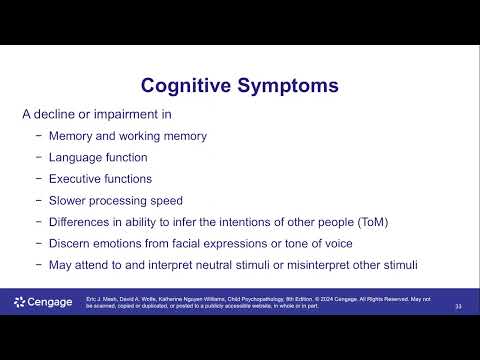
One thing to know is that this form of schizophrenia includes symptoms like hallucinations, delusions, and disorganized thinking. Can you imagine being a kid and hearing voices or seeing things that aren’t really there? That’s what a lot of these kids deal with. It’s not just “pretending” like some might think; it’s a serious mental health issue.
Another crucial point is how these symptoms can impact daily life. School can turn into a nightmare. Imagine trying to learn math while your mind is racing with thoughts that make sense only to you. That feeling of isolation? It’s huge! Kids may struggle to make friends or connect with others because their experiences are so vastly different from their peers.
Now, let’s talk about some key associations. Studies show that childhood-onset schizophrenia might be linked to genetic factors, meaning if someone in the family has mental health issues, the likelihood increases for the child. Environments play a role too—stressful family situations or trauma can trigger episodes or worsen symptoms.
In terms of treatment, this isn’t something you just brush off with a “get well soon.” Medication often becomes part of the picture to help manage those overwhelming symptoms. But therapy also plays an important role—think cognitive behavioral therapy—it helps kids develop coping strategies and improve overall functioning in daily life.
Finally, having supportive adults around is super important. Families need understanding and resources to help them navigate this challenging path together. When both parents and kids get support, it can really make a difference in managing the condition effectively.
In summary:
- Childhood-onset schizophrenia happens before age 13.
- Symptoms include hallucinations and disorganized thinking.
- The impact on school and social interactions is significant.
- Genetic factors and environmental stress contribute.
- Treatment includes medication and therapy for coping strategies.
- Supportive relationships are crucial for navigating challenges.
It’s clear that understanding childhood-onset schizophrenia requires compassion and awareness—it’s not easy for anyone involved!
Understanding Schizophrenia: Key Psychological Challenges and Insights
Schizophrenia is often misunderstood, especially when it comes to childhood onset. Just imagine being a kid and dealing with reality in a totally different way than your friends do. That can be pretty isolating, frightening, and confusing. So, let’s break down some of the key psychological challenges that come with it.
What is Childhood Onset Schizophrenia? This isn’t just the typical teenage angst or a phase that kids go through. It usually pops up before age 13 and can cause serious disruptions in a child’s life. Kids with this condition may experience hallucinations, which are like seeing or hearing things that aren’t really there. Or they could have delusions—strong beliefs about things that aren’t true.
The Psychological Challenges: Here are some of the hurdles these kids face:
Children often struggle to articulate what they’re going through too, which can add to their frustration and isolation. I remember meeting a young girl named Mia who told me how she’d see shadows moving in her room at night—her parents thought she was just scared of the dark. But for Mia, it was terrifyingly real.
Treatment Approaches: Addressing these challenges takes teamwork. Therapy plays a huge role here:
It’s crucial for caregivers to stay involved and informed throughout this journey; support goes both ways!
So yeah, living with childhood onset schizophrenia is tough for both kids and families. It takes time and patience—and having an understanding network makes all the difference in helping these kids lead fulfilling lives! The thing is, many children go on to have successful lives despite these challenges when they receive proper care from loving adults around them. Isn’t that something?
Understanding the Causes of Childhood-Onset Schizophrenia: Key Factors and Insights
Childhood-onset schizophrenia is a rare but serious condition that usually pops up in kids before they hit the age of 13. Understanding this disorder can be a bit tricky since it’s not something you hear about every day. The thing is, the exact causes are still being explored, but researchers have identified a few key factors that might play a role.
First off, let’s talk about genetics. If you come from a family where mental health issues run rampant, your chances increase. Basically, if you have a close relative with schizophrenia or other psychotic disorders, it could heighten the risk for your child. But it’s not just about blood ties; sometimes environmental factors mix in too.
Then there’s brain chemistry and structure. Kids with this condition may have differences in how their brains are wired or how chemicals like dopamine and serotonin work. To put it simply, these imbalances can mess with thoughts and emotions—leading to the symptoms we associate with schizophrenia.
Another aspect to think about is stressful life events or trauma. Seriously tough experiences during childhood—like abuse or losing someone close—can trigger or worsen symptoms for some kids. So imagine a kid who’s already struggling with school stress and then faces something traumatic; that’s like adding fuel to the fire.
Developmental factors also matter here. Some children go through unusual patterns of brain development, which can affect their cognitive abilities and emotional regulation. For instance, if a child’s brain doesn’t develop certain functions as expected, it might lead to psychotic symptoms later on.
On top of all that, environmental influences cannot be ignored either. Living in chaotic or unstable environments can contribute to increased risk as well. Think about it: constant chaos at home could affect how securely a child feels and impacts their ability to cope with reality.
Sometimes people wonder if things like substance use during adolescence contribute to issues later on too—and they do! While most cases of childhood-onset schizophrenia appear beforehand, certain substances might worsen symptoms if the child already has predispositions.
To sum this all up, understanding childhood-onset schizophrenia involves looking at an array of factors:
- Genetic predisposition: Family history can increase risks.
- Chemical imbalances: Issues with brain chemicals like dopamine.
- Trauma and stress: Significant life events can trigger symptoms.
- Developmental issues: Unusual brain growth patterns impact functioning.
- Environmental chaos: Instability at home leads to greater anxiety.
- Substance use: Can exacerbate existing vulnerabilities.
It really is complex when you dig into it! Each case varies widely depending on numerous intertwining factors—it’s unique for each child dealing with this condition and definitely needs special attention from mental health professionals!
Alright, let’s talk about childhood onset schizophrenia. It’s a topic that can be heavy, but I think it’s important to shed some light on it. Imagine being a kid, just wanting to play and have fun, but instead, you’re dealing with intense thoughts and feelings that don’t make sense. That’s what it can be like for those facing this condition.
So, what is childhood onset schizophrenia? Basically, it’s when symptoms of schizophrenia appear before the age of 13. This isn’t just your typical “imagination” phase or a strong dislike of math class; we’re talking really profound disruptions in thinking and perception. Think hallucinations or delusions—those moments when the lines between reality and imagination become super blurry.
There was this story I heard about a little boy named Jake. He loved soccer and drawing superheroes. But around age 10, he started hearing voices telling him he was bad at everything. One time he got so scared during practice because those voices convinced him his friends were laughing at him behind his back. It didn’t just mess with his confidence; it affected how he interacted with others too. Poor Jake! Instead of running drills with his teammates, he became withdrawn.
The psychological challenges are no joke. We always think kids have it easy, but they can feel intense emotions, just like adults do—sometimes even more so! When symptoms like paranoia kick in, kids might struggle to trust their friends or family members. It can lead to isolation, which is pretty heartbreaking when all they want is connection.
Support systems are crucial here—parents, teachers, therapists—the whole nine yards! Early intervention can make a world of difference because these children often need different approaches than adults do in therapy. They require a lot of patience as they navigate through therapy sessions that could feel exhausting or even scary.
The stigma around mental illness is tough for anyone to handle but especially for kids who are just figuring out who they are in such an unpredictable world. Imagine being teased at school for something you can’t control; that just adds another layer of stress.
Honestly though? While it’s challenging for these kiddos and their families today, there’s hope out there as well! With proper treatment plans—medication sometimes combined with therapy—many find ways to manage their symptoms better and engage more fully with life again.
So yeah, childhood onset schizophrenia isn’t something most people think about every day but understanding it better makes all the difference—if we spread awareness and compassion rather than judgment. That way kids like Jake can get the support they truly need without feeling alone in their struggles!