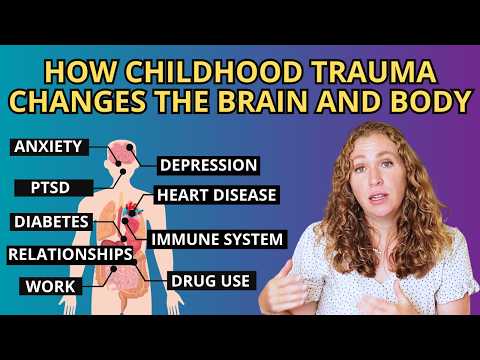
You know, childhood can be a real rollercoaster, right? Like, one moment you’re playing in the backyard, and the next, you’re dealing with stuff that feels way too heavy for a kid.
It’s wild how some of those experiences stick with us while others seem to just fade away. Ever heard of childhood trauma amnesia? It’s like your brain decides to play hide and seek with your memories.
But here’s the kicker—those lost memories? They can still mess with you big time later on. We’re talking about feelings, behaviors, and even how you connect with others.
So let’s chat about this whole thing—what it is, why it happens, and how it can shake things up in your mental health journey. Sound good?
When Does Childhood Trauma Resurface? Understanding Timing and Triggers
Childhood trauma is like this shadow that can hang around, even when you think you’ve forgotten all about it. It sneaks up unexpectedly, and sometimes you’re left wondering, «What just triggered that?» The thing is, trauma doesn’t stick to a schedule. It can resurface at any time.
So, **when does this happen?** Well, there are several common scenarios:
- Major Life Changes: Big events like moving to a new city, starting a new job, or going through a divorce can shake you up and bring old feelings to the surface.
- Reminders: Sometimes just seeing something—a place, a song, or even a smell—can trigger memories you thought were buried.
- Stress: When life gets overwhelming and the stress piles up, your mind might start digging into the past. It’s like your brain is saying, “Hey! Remember that?”
- Relationships: New friendships or romantic relationships often push you to confront emotions from your past. You might find yourself reacting strongly to situations that remind you of earlier pain.
- Bodily Sensations: Your body keeps track of trauma too. So sometimes pain or discomfort—like an ache in your chest—comes out of nowhere and leads to memories surfacing.
Consider someone named Jenna. She was bullied in school but never talked about it. Years later, while discussing childhood with friends over coffee, she suddenly feels anxious and fades into silence. That feeling of vulnerability hits her hard because it reminds her of those school days when she felt so alone.
Another important point is **childhood trauma amnesia**. It’s not unusual for kids to block out painful experiences as a way of coping. But guess what? Those memories don’t just disappear—they’re tucked away until something pulls them back into consciousness.
When these repressed memories resurface, they can affect mental health in significant ways:
- Anxiety & Depression: Old traumas can make you feel anxious or depressed again as you’re reminded of those challenging times.
- PTSD Symptoms: Intrusive thoughts or flashbacks may occur if you’ve experienced severe trauma.
- Difficult Relationships: You might struggle with trust or intimacy as old wounds influence how you connect with others.
So how do you deal with this stuff when it pops up? Talking about it with someone—a therapist or even close friends—can be incredibly helpful. Processing what happened helps recontextualize those experiences and reduces their power over your present life.
At the end of the day, understanding that childhood trauma can resurface at unexpected times doesn’t mean you’re stuck reliving it forever. It’s more about recognizing its existence and allowing yourself the grace to heal—you know?
Understanding Delayed Trauma: Why Past Experiences Resurface Years Later
So, you know how sometimes something from way back when just pops back up in your mind, and it feels like a punch to the gut? That’s basically what happens with *delayed trauma*. It’s that really weird thing where past experiences resurface years later, and it can be a real trip. Let’s break this down a bit.
Childhood Trauma Amnesia is when your brain kinda hits the “mute” button on painful memories. It’s like your mind decides it’s too much to handle at the time. This doesn’t mean those memories are gone forever; they’re just tucked away until something—a smell, a song, or even a conversation—pulls them back into focus.
When you go through something traumatic as a kid, your brain tries to protect you by forgetting or burying those experiences. You might think everything’s fine. Then suddenly—and often unexpectedly—you get hit with flashbacks or intense feelings related to that old trauma. It can feel like someone turned on the lights in a dark room after years of being in the shadows.
Why does this happen? Well, here are some things to consider:
- Stress Responses: Your body remembers stress. Even if your brain doesn’t recall specific events, your body can react strongly when triggered by reminders of past fear or pain.
- Emotional Triggers: Certain situations might remind you of the past trauma without you even realizing it. This could cause anxiety or panic attacks that catch you off guard.
- Coping Mechanisms: As kids, we develop ways to cope with what we can’t understand. These coping strategies might serve us well for years but can become problematic when they resurface.
- Life Changes: Major life events—like having kids or going through a big transition—can shake up old emotions and bring past traumas back into focus.
Let me give you an example—imagine someone who was bullied in school but never fully processed that pain. They might think they’re over it until they face a stressful situation at work and suddenly feel inexplicably anxious and self-doubting again. That’s their old trauma trying to tell them something.
The aftereffects of these resurfacing traumas can mess with your mental health too. You could struggle with anxiety, depression, or even PTSD (post-traumatic stress disorder). It’s super important to recognize what’s happening so you don’t get lost in those feelings once more.
And here comes the kicker: healing is possible! Therapy can help sort through these buried treasures—or rather, traumas—to help make sense of them so they stop weighing you down.
In short, delayed trauma, especially from childhood experiences that were pushed aside due to their intensity, makes waves later in life. But understanding this process is key—not just for healing but for living life more fully without those ghosts hanging around all the time!
Understanding Dissociative Amnesia: Causes, Symptoms, and Recovery Strategies
Dissociative amnesia is one of those conditions that can sound a bit confusing at first. It’s basically when someone can’t remember important personal information, usually because of some kind of stress or trauma. We’re talking about gaps in memory that go beyond just forgetting where you put your keys.
So, what exactly causes this? Well, it often stems from childhood trauma. Events like abuse, neglect, or witnessing something horrific can create so much emotional pain that the mind just decides to block out those memories to protect itself. Imagine being a kid and experiencing something really scary — it’s like your brain is saying, «Nope, not dealing with that!»
Symptoms can vary quite a bit. You might notice things like:
- Amnesia: The memory loss isn’t just about forgetting details; it’s like whole chunks of your life are missing.
- Disorientation: Sometimes you might feel out of touch with reality or even question who you are.
- Emotional numbness: It’s common to feel disconnected from your own feelings or from others.
Let me tell you about a friend of mine named Sarah. She went through some tough stuff as a kid. There were moments she couldn’t recall at all — family gatherings felt more like watching a movie than living life. Her brain had tucked away those painful memories somewhere deep down.
Now, recovery from dissociative amnesia isn’t just about remembering; it’s about healing too. Therapies can play a key role in this journey:
- Trauma-focused therapy: This type helps individuals work through their trauma step by step, making sense of feelings and memories.
- Cognitive therapy: Focusing on thought patterns can help reshape how someone views their past.
- Support groups: Sometimes just talking to others who get it makes all the difference. You realize you’re not alone!
Finding ways to cope emotionally is also super important. Practicing mindfulness or grounding techniques can help someone stay present, preventing those “uh-oh” moments when memories surface unexpectedly.
Remember, dealing with dissociative amnesia takes time — and that’s perfectly okay! If you or someone you know is struggling with this kind of memory loss or has experienced childhood trauma, reaching out for help is always a brave first step. Healing is possible!
You know, childhood trauma is such a complex topic. Some people experience stuff that really sticks with them while others seem to have blocks, almost like their brain is protecting them by hitting the «delete» button on certain memories. That’s what we sometimes call childhood trauma amnesia. It’s like your mind wants to spare you from pain and sadness, but that doesn’t mean those feelings vanish.
Take a moment and think about it—imagine you went through something really scary or traumatic when you were a kid, and your brain just decided to forget it. On the surface, that might sound kind of nice, right? But here’s the kicker: even if you don’t consciously remember what happened, those experiences can still mess with your head in ways you might not even realize.
For instance, I once chatted with a friend who had no idea why they struggled with relationships. They couldn’t pinpoint any specific event from their childhood that would explain their fear of abandonment. But after digging a bit deeper, it turned out they had faced some pretty intense stuff growing up that their mind had neatly tucked away. This amnesia meant they lacked clarity on what was affecting them now.
And then there’s this whole thing about how memory works; it’s not just about reliving past moments. It’s about how those memories shape our emotions and behaviors in the present. You might find yourself feeling anxious or triggered by situations without knowing why. It’s like your brain is playing tricks on you; you’re reacting emotionally to something buried deep down.
The effects can also show up in physical ways—you might feel stress-related symptoms or have trouble sleeping without understanding the root cause. Seriously, our bodies keep score of all this stuff too.
So grappling with childhood trauma amnesia isn’t just about recalling memories; it’s about facing the shadows they cast on our current lives. The key here is being patient with yourself as you untangle these threads from your past. Sometimes therapy can help bring those lost pieces back into focus, allowing you to understand and heal not just from forgotten memories but also from their lingering effects.
In the end, whether we remember every detail or not, acknowledging that something happened—something hurtful—is an important step toward healing and finding peace within ourselves now and in the future.