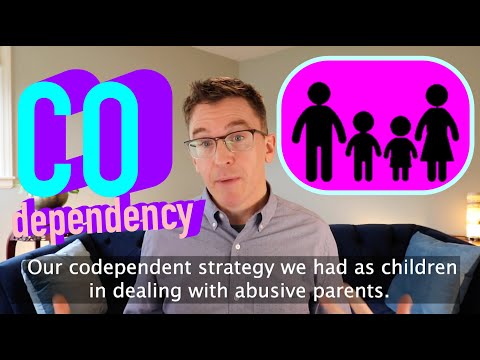
So, you know how some stuff from our childhood sticks with us, right? Like that weird feeling, maybe a memory that’s kinda fuzzy but still feels heavy? Yeah, that’s childhood trauma.
A lot of us drag that baggage into adulthood, and it can mess with our relationships. You start doing things you don’t even realize are a problem. Ever find yourself in a relationship where you give way more than you get? Yeah—codependency can creep in like an uninvited guest.
It can feel exhausting, like you’re just trying to keep your head above water. But here’s the thing: healing is totally possible. Let’s chat about breaking those chains and finding your own path. It’s not about blaming anyone; it’s all about understanding yourself better and learning to live freely. Sounds good? Let’s dig in!
Understanding Codependency: The Impact of Childhood Trauma on Adult Relationships
Codependency can be a tricky thing, you know? It often roots itself in childhood trauma, shaping the way we relate to others in our adult lives. If you grew up with unhealthy attachment styles or a chaotic home environment, you might find yourself repeating those patterns in your relationships.
What is codependency? Basically, it’s when one person’s sense of self-worth gets tied up with someone else’s feelings and needs. You might feel compelled to take care of others, sometimes to the detriment of your own well-being. For example, if your parents were emotionally unavailable, you may have learned to gain love through caretaking rather than being your own person.
The roots of codependency usually lie deep within childhood experiences. Imagine a scenario where a child grows up in a household where they have to navigate their parents’ unstable emotions. They learn to prioritize others’ needs over their own just to keep the peace at home. That becomes their default mode—putting everyone else first. Sounds familiar?
- Fear of abandonment: When children experience neglect or emotional distance, they often develop an intense fear that they’ll be left alone. This fear can manifest in adult relationships as clinginess or desperation for approval.
- The role of guilt: If you felt responsible for your parents’ happiness as a child, that guilt can carry into adulthood. You might go out of your way to please others, even when it harms you.
- Lack of boundaries: Growing up without clear boundaries makes it tough to set them later on. You may struggle to say no or prioritize your own needs over someone else’s.
If any of this resonates with you, it’s okay! Acknowledging these patterns is the first step toward healing. Breaking free from codependency is challenging but totally doable with some intentional work.
Healing from childhood trauma involves recognizing those old patterns and actively working on them. Therapy can be a safe space for this kind of exploration. A therapist might help you unpack those feelings and guide you toward healthier relationship dynamics.
You might also consider connecting with support groups where folks share similar experiences. There’s something profoundly healing about realizing you’re not alone in this journey!
The thing is, once you start understanding how childhood trauma shaped your view on relationships, breaking those chains becomes possible. You can learn to stand on your own two feet and build connections that are more fulfilling and balanced.
Think about the kind of relationships you’d like—supportive and reciprocal rather than draining or one-sided. By addressing what happened back then and letting go of unhealthy habits now, you create room for healthier connections.
You deserve relationships that uplift and enrich you instead! So start this journey at your pace; it’s all about finding balance between giving and receiving love.
Understanding the 4 F’s of Complex PTSD: A Guide to Healing and Resilience
The 4 F’s of Complex PTSD are a big deal when it comes to understanding how trauma affects our lives. So, let’s break this down. First off, what are the 4 F’s? They’re: **Fight, Flight, Freeze**, and **Fawn**. These are basically the responses our brains trigger when we feel threatened or overwhelmed. If you’ve been through intense trauma, especially in childhood, you might recognize how these responses pop up in your life.
Fight is all about standing your ground. This can be literally as in fighting back or metaphorically—like being defensive or confrontational all the time. Imagine a kid who grew up in a tough household; they might become aggressive as a way to protect themselves from feeling weak or vulnerable.
Then there’s Flight. This response is pretty straightforward—you want to escape. You might find yourself avoiding certain places or people that remind you of past traumas. I once knew someone who couldn’t walk by their old school without feeling panicky because of bullying that happened years ago.
Now let’s get into Freeze. This one often goes unnoticed but can be super impactful. When you freeze, it’s like your body just shuts down; you’re paralyzed by fear or anxiety. It’s like that moment in an action movie when everything goes silent and the hero can’t move because they’re overwhelmed with what’s happening.
Finally, we have Fawn. This is where things get tricky. It’s about people-pleasing and submitting to keep the peace—think of it like always trying to make sure everyone else is happy so that you don’t face any backlash yourself. A friend of mine grew up walking on eggshells around their parents, becoming overly accommodating even at the expense of their own happiness.
So how do these 4 F’s tie into healing childhood trauma and breaking those pesky codependency chains? Well, once you’ve identified which responses dominate your behavior, you can start working on them consciously to build resilience.
You might find yourself caught in a loop where these responses affect relationships—it’s tough! Recognizing this pattern is like finding your way out of the maze drenched in confusion.
To heal effectively:
- Acknowledge your feelings. It’s okay to feel what you’re feeling! No judgment here.
- Create safety. Surround yourself with supportive people who understand what you’ve been through.
- Practice self-care. Find activities that genuinely nurture you—yoga, painting, whatever floats your boat!
- Seek therapy. Talking with someone trained can really help untangle those feelings and behaviors connected to CPTSD.
Each step towards healing helps chip away at codependency too—stuffing away your own needs for others’ sake becomes less necessary as you grow stronger inside!
Navigating this stuff ain’t easy—it takes time and practice—but every little bit counts toward healing and resilience! You got this!
Understanding the 6 Stages of Healing from Childhood Trauma: A Path to Recovery
Healing from childhood trauma isn’t a one-size-fits-all process. It’s more like a winding road with twists and turns, ups and downs. The journey can feel overwhelming, but knowing the stages can help you navigate it better.
1. Acknowledgment
The first step is recognizing that trauma happened. You might think, “Well, it was just my childhood,” but those experiences can leave deep marks. Acknowledging your pain is crucial. It’s like pulling a thorn out; it may hurt at first, but it’s necessary for healing.
2. Understanding
Next comes understanding how that trauma has shaped you. Maybe you react strongly to things that seem minor to others or find yourself stuck in unhealthy patterns. This stage is about connecting the dots between your past and present behaviors. It’s eye-opening when you realize how your experiences influence your relationships today.
3. Expressing Emotions
Now, let’s talk about feelings—those tricky little things! In this stage, you’ll start expressing emotions tied to the trauma, rather than bottling them up. You might cry, shout, or even write it all down in a journal. Whatever works for you! Just remember: feeling these emotions is part of letting them go.
4. Seeking Support
You don’t have to do this alone! This stage involves reaching out for help—whether that’s therapy, support groups, or talking to friends who get it. You know how they say sharing is caring? Well, sharing your story can lighten the load a bit!
5. Rebuilding Trust
Trust takes time to rebuild—especially if trust was broken during your childhood. In this stage, you’ll learn to trust yourself and others again slowly yet surely. Start small; maybe try leaning on a friend for support or taking baby steps in new relationships.
6. Moving Forward
The final stage is all about moving forward with new tools and insights you’ve gained along the way. It doesn’t mean forgetting what happened; instead, it’s embracing who you’ve become because of it—not in spite of it! You’ll learn resilience and strength through this process.
Healing from childhood trauma isn’t just about overcoming pain; it’s also about breaking chains of codependency that may have formed as a result of those early experiences. Codependency often blossoms in environments where boundaries are unclear or where emotional needs go unmet.
By understanding these stages and their relation to codependency, you’re not only reclaiming your life but also redefining what healthy relationships look like for you going forward.
Recovery takes time—it may feel messy sometimes—and that’s okay! Celebrate each step along the way no matter how small they seem; every bit counts on this path toward healing and wholeness.
Healing from childhood trauma can feel like climbing a massive mountain. You know, the kind that makes your legs ache and your heart race? I remember this one friend of mine who had a tough upbringing. She always felt like she was drowning in the expectations and emotions of her family. That pressure never really left her, even as an adult.
So, breaking free from codependency, well, it’s like finding your own rhythm after years of dancing to someone else’s tune. It’s tough but oh so rewarding! You might find yourself constantly worrying about what others think or feeling responsible for their happiness. I mean, doesn’t that sound familiar? It’s like you’re carrying their emotions around with you, even when it’s so heavy.
When you start to heal that childhood stuff, things change. You slowly learn to untangle those chains that have kept you bound for so long. Therapy can help guide you through it—kind of like having a personal trainer for your emotional state! With some patience and work, it becomes easier to prioritize your needs without feeling guilty about it.
You know how when you finally take a deep breath after holding it way too long? That exhale is liberating! Learning to love yourself means recognizing those past hurts and saying “Hey, I see you.” Maybe it’s about setting boundaries or finding joy in just being yourself without constantly looking over your shoulder.
But don’t get me wrong; it’s not all sunshine and rainbows. Some days will feel heavy as bricks. You might stumble and feel like giving up. However, every step forward brings clarity—a clearer sense of self-worth and power over your choices.
Imagine relationships where you’re not just reacting but responding from a place of strength instead of fear! The freedom in that is mind-blowing. Healing childhood trauma isn’t just for you—it sets the stage for healthier connections with everyone else too.
So yeah, breaking those chains isn’t easy, but every bit of effort counts towards building something beautiful within yourself. And who knows? Maybe one day you’ll look back at that mountain and realize you’re standing on top of it with a view that’s worth all the struggle.