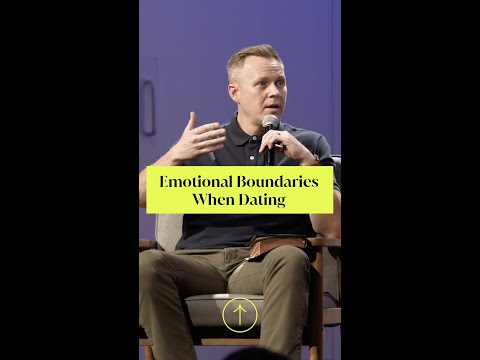
You know, dating can be super complicated. Especially when you throw in faith and values into the mix. It’s like trying to balance on a tightrope, right?
But here’s the deal: establishing healthy emotional boundaries is key. Seriously, they can make or break your relationship. It’s all about protecting your heart while opening it up to someone special.
Let’s be real, though. Sometimes it feels like boundaries are these invisible walls that stop you from connecting deeply. But that’s not how they work—not at all! They’re more like a safety net that actually helps you grow together.
So, if you’re navigating Christian dating and looking to understand those boundaries better, you’re in the right place! Grab a comfy seat and let’s chat about how to keep things healthy without losing yourself in the process.
Understanding the 7 7 7 Rule in Dating: A Guide to Healthy Relationship Foundations
The 7 7 7 Rule in dating is kind of like a roadmap, guiding you toward building healthy emotional boundaries in relationships. This concept can be super helpful, especially in Christian dating, where values and intentions often play a big role. So let’s break it down.
What is the 7 7 7 Rule? It’s pretty straightforward. The idea is that you should spend seven weeks getting to know someone before going exclusive. Then, spend another seven weeks dating exclusively before talking about marriage. Finally, if things are still going great, give it a solid seven months to explore deeper emotional connections and boundaries.
Now, why does this matter? Well, taking things slowly can help you avoid getting swept away by intense feelings or early infatuation. You know how it goes—at the start of a relationship, everything feels magical. But as those fireworks fade, real-life stuff comes into play.
Building Healthy Boundaries is essential at every stage of dating. If we jump into emotional intimacy too quickly without laying the groundwork, we risk getting hurt or lost in each other’s expectations. So here’s what to think about during your time together.
- Week 1-7: Focus on building trust and shared values. Ask questions about life goals, faith, and family dynamics.
- Week 8-14: As you get exclusive, prioritize honesty about feelings and boundaries. Tell your partner what makes you comfortable or uncomfortable.
- Month 3-7: Spend time deepening that connection emotionally without rushing into heavy commitments like marriage.
Emotional boundaries vary from person to person. Maybe you’re super open about your thoughts but find physical touch more challenging—this stuff matters! Having conversations about these differences can help create a safe space for both partners.
Imagine this: Picture yourself on date three and suddenly realizing your partner wants to introduce you to their whole family right away! Yikes! That can feel overwhelming for anyone not ready for that leap yet. Remembering the importance of those initial weeks helps you both set clear expectations.
Navigating Challenges can come up too! Not every week is going to be smooth sailing; it’s normal to have some bumps along the way. Talk openly when something feels off or when you’re not sure about moving forward with another phase of the rule.
Ultimately, using the 7 7 7 rule isn’t just about breaking things down into tidy segments—it’s a way to ensure that both partners are on board with what they want out of being together while respecting individual boundaries and timelines.
So there you have it! The 7 7 7 Rule serves as an excellent guideline while ensuring healthy emotional foundations are laid before stepping into something more serious—kind of like building a house: you’ve got to start with solid ground before raising those walls!
Understanding Healthy Emotional Boundaries in Relationships for Better Mental Well-being
So let’s chat about **healthy emotional boundaries** in relationships, especially when it comes to dating. You might think of boundaries like invisible fences that help you feel safe and respected in your connections with others. They’re not just about saying “no” but also about saying “yes” to what makes you feel good and safe.
When you’re in a relationship, you bring your own feelings, experiences, and expectations to the table. The thing is, like, sometimes our past can mess with how we interact now. Maybe you’ve had a tough breakup or faced trust issues. These experiences can make it harder to set those boundaries clearly. And that’s totally normal!
In a Christian dating context, the notion of emotional boundaries can be really touching on faith and values. You want to respect each other’s beliefs while building something meaningful together. So here are some ways to think about setting those healthy boundaries:
- Know Yourself: Before diving into a relationship, take time to reflect on what you need emotionally. What makes you feel comfortable? What triggers anxiety? Understanding yourself is key!
- Communicate Openly: Don’t be afraid to talk about your feelings and needs with your partner. It’s not easy sometimes, but sharing where you’re at can strengthen your bond.
- Respect Each Other: It goes both ways! Listen actively when your partner expresses their needs or limits too. This builds trust and safety.
- Set Limits: If something doesn’t feel right or pushes your comfort zone—like wanting alone time or feeling pressured on certain topics—speak up! Boundaries are there for a reason.
- Be Honest About Expectations: If you have particular goals for the relationship (like moving toward marriage) or want to keep things casual for now, let that be known early on.
Think about it this way: let’s say you’ve been dating someone for a few months, and they constantly check your phone or want to know where you are at all times—that’s a sign they might need some personal boundaries clarified! Instead of feeling overwhelmed by their expectations, explain that you value independence and respect in the relationship.
Also remember this—**boundaries** aren’t about building walls; they’re more like gates that allow good things in while keeping out anything harmful. They should encourage **mental well-being**, helping both partners feel valued without losing themselves along the way.
And here’s a little story: I once knew someone who dated a super sweet person but struggled with jealousy issues. Whenever they hung out with friends without their partner, there’d be tension. But after having an honest talk about their feelings—like expressing worries rather than accusations—the couple was able to work through it together! They set clearer expectations around socializing which helped them both breathe easier.
So yeah, it all boils down to mutual respect and understanding in relationships! It takes effort from both sides but brings so much peace of mind when those emotional fences are up just right.
Establishing Healthy Physical Boundaries in Christian Dating Relationships
Sure! When it comes to setting healthy physical boundaries in Christian dating relationships, it’s super important. You want to feel respected while also being true to your values and faith.
First off, let’s talk about what physical boundaries mean. It’s basically about understanding your comfort level when it comes to touch and intimacy. Every person is different, and that’s totally okay! Being clear about what feels right for you is key.
You might think about what you’ve learned from your faith. For some people, physical intimacy might be a serious thing, and they want to save certain actions for marriage. Others might be okay with some forms of affection but draw the line somewhere else. The important thing is that you both agree on this.
Establishing these boundaries starts with good communication. Have an honest conversation with your partner early on. You know, like—“Hey, what does physical affection look like for us?” Or “What do we feel comfortable doing together?” This can prevent misunderstandings down the road.
It can also help to have a list of things you’re comfortable with or not comfortable with. For instance,
,
, or maybe even more intimate acts—figure out where you personally draw the line. Sharing this list isn’t just good practice; it shows respect for each other’s feelings.
Now here’s where it gets a bit tricky: What if your partner wants more than you’re ready for? That’s where those emotional boundaries come into play too. You’ve got to speak up if something doesn’t feel right! It’s like saying—“I really like being close to you, but I’m not ready for that yet.” It’s all about finding a balance without compromising who you are.
Also, if you find yourself in situations where things get heated or touchy-feely and you’re feeling uncomfortable? Here’s a pro tip: Don’t hesitate to hit pause on the relationship if necessary. Seriously! If someone isn’t respecting your boundaries, that’s a red flag.
And remember—it’s perfectly okay not to have all the answers right away! Relationships take time to develop trust and understanding between each other. So be patient with yourself and your partner as you navigate these waters together.
In the end, having those healthy physical boundaries really enriches emotional connections too! It makes everything deeper and allows both partners to grow closer without feeling pressured.
So yeah—the bottom line? Know yourself first, communicate openly with your partner, respect each other’s limits—and everything will flow more naturally from there!
Setting healthy emotional boundaries in Christian dating relationships is super important. It’s like having a safety net that protects both you and your partner. You know how when you’re on a date, everything feels exciting and new? There’s that fluttering sensation in your stomach, which is great, but sometimes you can lose sight of what really matters—your own well-being and values.
I remember a friend who got really wrapped up in her relationship. Everything was about him—his likes, his needs. She kept pushing aside her own feelings and boundaries because she thought it was the right thing to do. But, honestly? It only left her feeling drained and frustrated. One day, she snapped at him over something small, and it just turned into this huge fight. That moment was a wake-up call for her to realize she needed to stand up for herself.
Emotional boundaries are about knowing where you end and your partner begins. That means being clear about what you’re comfortable with and sticking to those limits while respecting theirs too. For instance, let’s say you value your personal time or family commitments—it’s totally fine to say so! You can express that without guilt or fear of rejection.
And hey, it’s not just about saying “no” to things that make you uncomfortable; it’s also about creating a space where both of you can grow individually as well as together in faith. Sharing beliefs is crucial in Christian dating but remember: mutual respect for each other’s emotional space allows both partners to flourish.
If at any point you feel pressured or unheard—whether it’s regarding physical intimacy or spiritual commitments—it’s okay to voice those feelings. It’s about fostering an atmosphere of trust where you both feel secure enough to share without feeling judged or diminished.
In the end, establishing these healthy boundaries isn’t just good practice; it’s essential for building a meaningful relationship rooted in love and respect—and isn’t that what we all want?