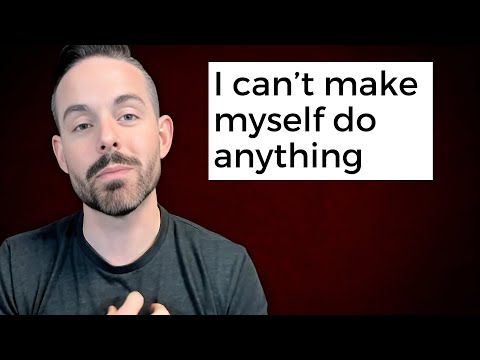
Have you ever felt like you’re just going through the motions? Like, everything feels flat and joyless, even the stuff you used to love? Yeah, that’s what chronic anhedonia can feel like.
It’s kind of a sneaky thief of happiness. You wake up one day and realize your favorite hobbies don’t spark joy anymore. Ugh, right?
Life can feel heavy. Sometimes it feels like a gray cloud is hanging over you all the time. No fun at all!
But here’s the thing: You’re not alone in this. Seriously, a lot of folks struggle with it, and there are ways to fight back. Let’s dive into how to tackle this pesky feeling together.
Effective Strategies for Overcoming Long-Term Anhedonia: Tips for Finding Joy Again
Anhedonia, huh? That’s a tough one. It’s that feeling when things just don’t spark joy anymore—like your favorite song goes flat. You might feel distant from everything you used to love, whether it’s hanging out with friends, binging your favorite show, or even just enjoying a walk outside. If you’ve been dealing with this for a while, you’re not alone, and there are ways to help break that numbness. Here are some strategies that might light a fire back in your life.
Start Small
Let’s say you used to love painting. But now? The thought of picking up a brush feels heavy. Try starting with tiny steps—maybe just doodle for five minutes. Don’t worry about the outcome! It’s all about stirring the pot of creativity again.
Connect with Others
Isolation can amplify anhedonia. Reach out to people who get you. Text a friend for coffee or hop onto a video call. Human connection acts like emotional glue—you’ll be surprised how warmth from others can slowly bring back some color.
Create Structure
Creating routines can sort of “trick” your brain into action mode. Set small goals each day, like taking a shower or cooking dinner. When you stick to these little victories, they start adding up and help build momentum.
Engage in Physical Activity
You don’t have to run marathons or anything! Just moving your body will help release those feel-good endorphins. Try walking at the park or even dancing in your living room—whatever gets you moving is gold.
Practice Mindfulness
Mindfulness isn’t about emptying your mind; it’s more like watching thoughts drift by like clouds without grabbing onto them. Meditation apps or simple breathing exercises can be super helpful for grounding yourself and reconnecting with the present moment.
Challenge Negative Thoughts
Our minds sometimes play tricks on us by focusing on the negative stuff—that filter gives an unbalanced view of reality! Challenge those thoughts by writing down positive experiences or things you’re grateful for, no matter how small they seem.
Pursue New Interests
Sometimes we get stuck in ruts because we only stick to what we know. Trying something new can stir excitement! Think about joining a class—maybe pottery, hiking, or even learning a new language? Exploration often brings unexpected joy.
Acknowledge Your Feelings
It’s okay not to feel okay all the time! Acknowledging what you’re feeling without judgment is key—it lets you process emotions rather than push them away. Journaling can be really cathartic here; write down what comes to mind without worrying about grammar!
Seek Professional Help
If these strategies aren’t cutting it, reaching out to a mental health professional can provide support tailored just for you. They might suggest therapy options or even medication if it’s appropriate for your situation.
So yeah, remember that finding joy again isn’t an overnight fix—it’s more like planting seeds and watering them over time until something beautiful starts sprouting up again! And hey, give yourself grace along the way; it takes courage to navigate through this stuff!
Exploring the Benefits of EMDR Therapy for Overcoming Anhedonia
Anhedonia is a tricky beast, you know? It’s that feeling where nothing really brings you joy or pleasure anymore. Seriously, you might find it hard to enjoy things like food, hobbies, or even hanging out with friends. For people dealing with conditions like depression or PTSD, anhedonia can feel like a heavy fog that just won’t lift. That’s where something called **EMDR therapy** comes into play.
**EMDR**, which stands for Eye Movement Desensitization and Reprocessing, is a form of therapy designed to help people process traumatic memories. It sounds kind of weird at first—like waving your hands in front of someone’s face while they think about their trauma—but it’s based on some solid psychological principles. The idea is to help your brain reprocess distressing memories so they don’t feel so overwhelming anymore.
Now, how does EMDR work for anhedonia? Well, when you’re stuck in that joyless zone, it often connects to traumatic events or deep-seated negative beliefs about yourself and the world. EMDR can help address these issues head-on. While you’re following those hand movements (or sometimes sounds), your brain seems to make new connections, and that fog starts to clear.
Here are a few benefits of using EMDR therapy specifically for overcoming chronic anhedonia:
- Processing Trauma: By addressing unresolved traumas, EMDR helps you reframe your experiences and emotions.
- Restoring Enjoyment: As traumatic responses lessen, you may begin to reconnect with activities and experiences that once brought joy.
- Reducing Negative Beliefs: A big part of anhedonia involves negative self-talk. EMDR can help shift those beliefs.
- Fast Results: Many people notice improvements after just a few sessions; this isn’t your usual slow grind of traditional talk therapy.
Let me tell you a story real quick: there was this woman named Sarah (not her real name) who’d been battling depression for years. She loved painting but found herself staring blankly at the canvas instead of creating anything beautiful. After starting EMDR therapy, she began to process some tough childhood memories she thought she’d buried long ago. By the end of her treatment, not only was she painting again but also exploring new mediums—like pottery! Isn’t that amazing?
But **it’s not magic**; it takes time and work from both the therapist and the patient. You need someone trained in EMDR because it involves specific techniques throughout each session.
To wrap this up: if you’re feeling caught in the anhedonic trap with no way out, consider exploring EMDR as a viable option alongside other therapies or medications if needed. Remember though—it’s always crucial to have open conversations with your mental health provider about what feels right for you and what might work best in your journey. Each step forward counts!
Understanding Anhedonia: Effective Therapies and Treatments Used by Mental Health Professionals
Anhedonia is a term that might sound a bit heavy, but it really just means the inability to feel pleasure. You know, like when you used to love going out with friends or indulging in your favorite meal, and now, it’s like those things just don’t hit the same way anymore. It can be a pretty lonely and frustrating experience.
This condition often shows up in mood disorders, especially depression. You might find yourself withdrawing from hobbies, socializing less, or even struggling to enjoy simple things like watching a movie or listening to music. For many, it feels like there’s this invisible wall between them and everything that used to make them happy.
Now, when it comes to treatment, mental health pros have some solid options. Here are a few effective therapies:
- Cognitive Behavioral Therapy (CBT): This is all about changing the way you think and behave. The goal is to challenge negative thoughts that can contribute to anhedonia. A therapist works with you on identifying these thoughts and helping you replace them with healthier ones.
- Mindfulness-Based Therapy: This approach focuses on awareness of the present moment. It teaches you how to observe your thoughts and feelings without judgment. Sometimes just being present can open up those feelings of joy again.
- Behavioral Activation: This one encourages you to take small steps back into activities that once brought joy—even if they don’t feel great at first. Over time, engaging in these activities can help rekindle that spark.
- Medication: Sometimes therapists recommend antidepressants or other meds that can help alleviate symptoms of depression and increase dopamine levels—the brain chemical linked with pleasure.
A friend of mine struggled with anhedonia for years after losing her job. She stopped hanging out with friends and even lost interest in her favorite hobbies—painting and hiking weren’t fun anymore; they felt like chores. Through CBT, she learned how her negative thought patterns were keeping her stuck in a rut. With some gentle nudges from her therapist toward activities she once loved—and honestly? A lot of patience—she started finding joy again in small doses.
Another important piece? Building a support system. Friends or family who understand what you’re going through can make a huge difference. They can encourage you when motivation is low—like inviting you out even if you’re hesitant.
It’s also essential for anyone dealing with anhedonia to recognize it’s not something they should just “snap out of.” It’s valid, real—seriously frustrating! Finding what works for you may take time, but there’s hope out there.
So yeah, if you or someone you care about is grappling with this feeling of emptiness or disinterest in life, reaching out for help makes all the difference! Don’t hesitate; mental health professionals have tools designed specifically for this kind of struggle!
Anhedonia, huh? That’s a big word but it really just means not feeling much joy or pleasure in things that usually make you happy. If you’ve ever felt like you’re just coasting through life, disconnected from the fun stuff—like hanging out with friends, scrolling through social media, or even enjoying your favorite food—then you might know what I’m talking about. It can feel heavy and isolating.
I remember talking to a friend who went through this. She loved painting, truly brightened up when she talked about colors and brushes. But one day she just… didn’t. It was like that sparkle just turned off overnight. She described it as being in a fog where everything felt gray and dull. No matter how hard she tried to muster some excitement for her art, nothing happened. It was heartbreaking to watch her struggle through something that used to be so joyful for her.
So, dealing with chronic anhedonia can rough on both the person experiencing it and those around them. It’s not just about being sad; it’s this cloud of numbness that follows you around. You might see people laughing and enjoying life while you feel like you’re stuck in molasses—slowly watching life happen without really being part of it.
In the mental health care world, overcoming chronic anhedonia is kind of a journey, filled with ups and downs. Therapy often becomes a vital stepping-stone here. Sometimes cognitive-behavioral therapy (CBT) comes into play—it helps identify negative thought patterns that keep dragging you down into that abyss of nothingness. You learn to challenge those thoughts and slowly rewire your brain to see things differently.
Medication can also be part of the equation for some folks. Antidepressants might help lift the fog so they can start feeling again or at least take away the sharp edges of emotional pain. But it’s always a tricky balance—you know? Finding what works for someone isn’t one-size-fits-all.
What’s hopeful is that recovery is definitely possible! Little by little, people can rediscover those sparkly moments in life they thought were gone forever. Maybe it’s starting small—trying new hobbies or reconnecting with old friends—even when it feels challenging at first.
And yes, absolutely there will be setbacks along the way; some days will still feel blah regardless of your progress—but don’t let that discourage you! Just take things one step at a time; celebrate small victories because every bit counts!
In short, overcoming chronic anhedonia isn’t easy but with support from mental health professionals and loved ones plus a pinch of patience (and maybe some ice cream on tough days), brighter moments are very much attainable again!