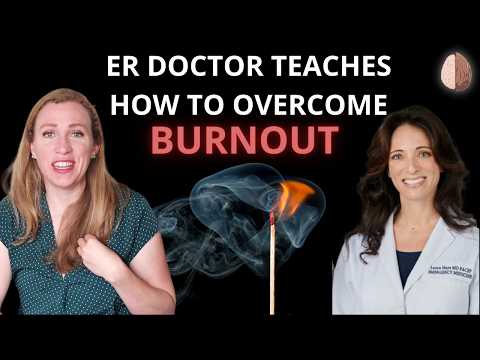
You know that feeling when everything just feels heavy? Like, you’re carrying the weight of the world on your shoulders? Yeah, that’s stress, and it can really mess with you.
Chronic stress doesn’t just go away. It lingers like that annoying song stuck in your head. And burnout? Well, it’s like running a marathon without ever getting to the finish line. Seriously exhausting.
So many of us are tangled up in this chaotic dance of stress and burnout. It affects our mood, our energy, and even our relationships. You might feel overwhelmed or just numb sometimes. Been there!
But here’s the deal: you’re not alone in this. Let’s chat about navigating this tricky terrain together. We’ll dig deep into what it all means and how to push through it. Sound good?
Ultimate Burnout Recovery Plan PDF: Your Path to Reclaim Mental Wellness
Burnout is like that annoying friend who overstays their welcome. You start off feeling fine, maybe even excited about what you’re doing, but before you know it, you’re exhausted and over it. Basically, burnout happens when stress piles up and drains your energy, motivation, and mental clarity. You feel mentally foggy and emotionally drained. It’s tough, right?
Recognizing the Signs
First things first—you gotta know the signs of burnout. These can include things like constant fatigue, feelings of cynicism towards work or life, trouble sleeping, or just feeling like you’re running on empty all the time. Maybe you’ve found yourself scrolling through your phone instead of tackling your to-do list. That’s a classic sign!
Take a Step Back
Next up is the idea of stepping back. Seriously! Giving yourself a break is key. It’s not about slacking; it’s about giving your brain that much-needed pause to regain some clarity. Think of it this way: if your phone battery is down to 5%, you wouldn’t keep playing games on it until it dies completely—right?
Re-evaluating Priorities
Then there’s the whole idea of priorities. What really matters to you? Sometimes we pile our plates too high with commitments that don’t serve us anymore. Whether it’s work projects or social events that drain you—take a moment and ditch what doesn’t matter.
Self-Care Isn’t Selfish
And let’s talk self-care! This isn’t just about bubble baths and face masks (though they are lovely). It can mean taking five minutes to breathe deeply or saying “no” when you’re feeling overwhelmed. Find what fills your cup up again—maybe it’s hiking or grabbing coffee with a good friend.
Talk It Out
You might want to connect with others who get what you’re going through. Sharing how you feel can really lighten the load! Trusted friends or even a therapist can help you see things from another angle—or at least offer some empathy.
Coping Strategies
It ain’t all sunshine and rainbows; here’s where coping strategies come into play:
- Meditation or mindfulness practices to ground yourself.
- Physical activities—exercise releases those feel-good chemicals.
- Creative outlets like writing or painting help express emotions.
- A consistent sleep schedule makes a huge difference in how rested you feel.
So yeah, all these little moments add up to something bigger over time.
Cultivating Boundaries
One last nugget: learn to create boundaries in your life—personally and professionally. Saying “no” doesn’t make you rude; it makes you smart! Protect that energy of yours!
Burnout may feel daunting but getting back on track is totally possible with some supportive tools and practices in place. Just remember: recovery takes time—a bit like growing plants in your garden; patience is key! Keep nurturing yourself along the way!
Identifying and Overcoming Burnout Symptoms: A Comprehensive Guide
Burnout can feel like this heavy blanket, weighing you down when all you really want is to feel light and carefree. It’s that point where stress piles up so much that it drains you emotionally and physically. So let’s break this down a bit.
What is Burnout?
Burnout isn’t just feeling tired after a long day. It’s a serious state of emotional, physical, and mental exhaustion caused by prolonged and excessive stress. You might notice feeling overwhelmed or unable to meet constant demands. It’s like running on empty but still having to push through.
Identifying Symptoms
Recognizing burnout symptoms is the first step toward overcoming it. Check out these common signs:
I remember when my friend Sarah went through this. She loved her job but got caught in endless meetings and deadlines. Over time, she started feeling exhausted even on weekends—the fun stuff barely excited her anymore. That’s when she realized something was off.
Navigating Chronic Stress
Chronic stress often sets the stage for burnout. Life can throw curveballs—work pressure, family issues, financial worries—and they build up over time. You might think you can handle it all but eventually hit a wall.
To manage chronic stress:
Remember how Sarah found solace in painting? It was her escape—a way to recharge when everything felt overwhelming.
Taking Steps to Overcome Burnout
Now that you’ve identified burnout symptoms and understand chronic stress better, what can you do about it? Here are some actionable steps:
Having been there myself at one point in life taught me—admitting that I needed help was one of the most liberating things I did.
The Road Ahead
Overcoming burnout takes time; it’s not an overnight fix. But being aware of your feelings is already a big step in the right direction. If you keep pushing through without addressing these things? Well, burnout won’t get better on its own—it’ll stick around longer than you’d like.
So be gentle with yourself; you’re navigating a tough journey here. And always remember: recognizing how you’re feeling puts you back in control—you’re not alone in this battle against burnout!
Understanding Burnout: How It Affects Your Mental Health and Tips for Recovery
Burnout—man, that’s a heavy topic. You might have heard about it, maybe even felt it yourself. It’s like you’re running on empty all the time. So what is burnout exactly? Well, it’s this state of physical, emotional, and mental exhaustion caused by prolonged stress. And let me tell you, in today’s fast-paced world, burnout is often lurking around the corner.
When you hit burnout, it can mess with your whole being. You might feel super drained and not have any energy left for things you used to enjoy. Your patience? Gone! It can even lead to feelings of hopelessness or cynicism about work or life in general. Ever find yourself feeling just “meh”? Yep, that could be a sign.
Now let’s chat about some signs of burnout. You might notice:
Think about it: how many times have you pushed through the day feeling like a zombie? Yeah, that’s not normal.
What causes this burnout? Honestly, there are tons of reasons—it could be work pressure, caregiving responsibilities, or even not having enough support from those around you. Like my friend Sarah; she worked in a high-stress job and was constantly juggling family issues on top of that. One day she woke up and realized she couldn’t face another email or phone call without feeling completely wiped out.
But here’s the good news: recovery is absolutely possible! The first step is recognizing what’s going on and giving yourself permission to take a break. I mean it—rest isn’t just a luxury; it’s necessary!
Here are some tips for recovery:
Seriously though, talking things out with someone who gets it can lighten your emotional load so much.
And lastly—try paying attention to your body signals. If you’re feeling stressed more often than not, take that as your cue! Making small changes can lead to big differences in how you feel mentally.
Burnout doesn’t define who you are but acknowledging its presence is the first step toward healing. Remember: it’s okay not to be okay; taking care of yourself should always come first.
Chronic stress and burnout are like that annoying itch you can’t quite scratch. You know, it’s the feeling that creeps in, slowly at first, then suddenly it’s everywhere. It impacts both our mental and physical health, yet it often goes unnoticed until it’s too late.
I remember a friend of mine who was juggling a demanding job and family responsibilities. Each day felt somehow heavier than the last. She’d wake up with this sinking feeling in her stomach, like she was already behind before the day even began. Eventually, her energy hit rock bottom—she couldn’t focus at work and started to snap at everyone around her. That’s when she realized she wasn’t just tired; she was burned out.
Now, chronic stress can come from various sources—work pressures, relationship issues, or even just the expectations we place on ourselves. It’s tricky because it can build up gradually so that you might not even notice until you find yourself completely overwhelmed.
You might think you’re being productive by pushing through that fatigue, but what really happens is you lose your grip on everything you once enjoyed. The hobbies you loved? They feel like chores now. Socializing? Forget about it; you’d rather just stay in your pajamas with Netflix on loop.
Burnout isn’t just emotional fatigue; it’s a real phenomenon that can lead to serious health problems like anxiety or depression if left unchecked. Your brain needs downtime—seriously! So whether it’s practicing mindfulness, picking up a new hobby, or just taking those much-needed breaks during the day, finding ways to unwind can make all the difference.
And don’t hesitate to reach out for support! Sometimes sharing how you feel with friends or professionals can lighten your load dramatically. You’re not alone in this; we’re all navigating through our unique struggles in one way or another.
So basically, recognizing when stress is turning toxic is key to battling burnout. Be kind to yourself and remember: it’s okay to take a step back sometimes for your own well-being!