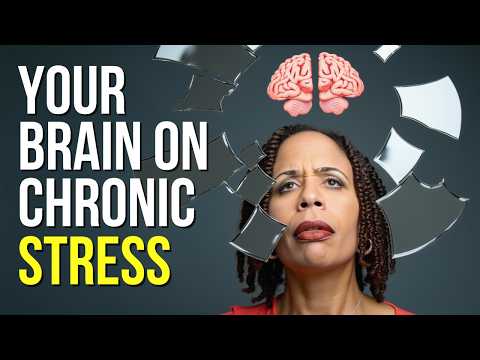
You know that feeling when your mind just won’t chill? Like, you’re constantly racing through thoughts? That’s stress, my friend. And when it sticks around for too long, it can turn into something way more serious—chronic stress disease.
It’s wild how much stress can mess with our heads. Everyone experiences it now and then, but some of us get caught in this endless cycle. It can really impact your mental wellbeing.
Picture this: you wake up every day feeling exhausted, even after a full night’s sleep. You struggle to focus on work or enjoy time with friends. Sounds familiar? You’re not alone in this.
Let’s unpack how chronic stress can sneak into your life and take the joy out of things you used to love. It’s important stuff to talk about!
Understanding Stress and Anxiety: The Hidden Illnesses They Can Cause
Stress and anxiety are like those uninvited guests at a party who just won’t leave. You know they’re there, and they can really mess with the vibe. When these feelings stick around for a while, they can turn into something much more serious, like chronic stress disease. The thing is, many people don’t realize how deeply stress and anxiety can impact mental wellbeing.
Let’s break it down a bit. Stress is basically your body’s response to overwhelming situations. It can be caused by work pressure, relationship struggles, or even big life changes like moving or starting a new job. Anxiety, on the other hand, involves excessive worry—even about little things that normally wouldn’t bother you. Think about that feeling you get when you have a big presentation coming up; it’s your mind going into overdrive.
When stress sticks around for too long, it becomes chronic stress. This type of stress can lead to major health problems. It doesn’t just affect your mood; it can also mess with your physical health! You might feel tired all the time or notice changes in your eating habits.
- Physical Effects: Chronic stress can lead to headaches, digestive issues, and even heart problems.
- Mental Health Issues: Conditions like depression may develop or worsen due to ongoing anxiety.
- Cognitive Decline: Stress affects memory and decision-making abilities—ever forget where you put your keys when you’re stressed?
And here’s the kicker: all these symptoms create a cycle that’s tough to break. Stress causes physical problems which then lead to more emotional issues and so on. Take Sarah—a friend of mine—who started feeling overwhelmed by work demands. She began losing sleep and started feeling anxious every day at her job. Eventually, she had trouble concentrating during meetings because her mind was racing with worries instead of focusing on the task at hand.
So yeah, when you’re stuck in this loop of chronic stress, it’s easy to get lost in how awful everything feels without realizing the toll it’s taking on your body and mind.
Recognizing signs early is crucial. If you find yourself constantly worried or feeling irritable for no clear reason, that could be something worth addressing before it spirals further out of control. Remember that friend Sarah? She ended up reaching out for help after noticing her anxiety affecting her relationships too—not just her work life.
In terms of coping strategies, there are things you can do! Exercise is a fantastic way to relieve tension. Finding time for relaxation techniques—like deep breathing or mindfulness practices—can make a meaningful difference as well.
Anyway, understanding how stress and anxiety work together is half the battle in managing them effectively! It’s not about eliminating those feelings completely but learning how to handle them better so they don’t run wild in your life.
Understanding the Long-Term Effects of Stress on Mental Health: Insights and Implications
Stress is something we all deal with, right? But when it packs its bags and decides to stick around, it can turn into chronic stress. And let me tell you, that’s when things start to get dicey for your mental health. Basically, chronic stress isn’t just about feeling overwhelmed—it can actually lead to some serious issues down the line.
So, what exactly happens in your brain and body when stress becomes a long-term guest? First off, your body releases hormones like cortisol and adrenaline. In small doses, these can be helpful. They’re like your body’s alarm system, kicking in during emergencies. But what happens if that alarm keeps blaring? Well, your brain gets flooded with those hormones all the time. This leads to several negative impacts on mental health.
- Anxiety: With constant stress, feelings of anxiety can escalate. You might find yourself worrying about everything under the sun—even things you used to brush off.
- Depression: Chronic stress is a big player in depression too. It messes with your mood and motivation making it hard to enjoy life as you once did.
- Cognitive Impairment: Stress affects memory and concentration. Having those “brain fog” days? Yea, stress could be behind that.
- Mood Swings: When that’s all combined with fatigue from not getting restful sleep thanks to worry or anxiety—well, surprise! Your mood might swing more than a pendulum on a clock!
I remember a friend who worked nonstop at his job because he was always worried about losing it. His worries turned into sleepless nights filled with tossing and turning. Over time, he became moody and irritable—completely not himself anymore! He’d often snap at friends or pull away from social gatherings he once loved. That’s how sneaky chronic stress can be.
Now let’s talk about why this matters in the long run—because it does have some serious implications for not just your mental health but also physical wellbeing too! Chronic stress can lead to health problems like cardiovascular issues or digestive disorders. This means taking care of both mind and body goes hand-in-hand.
So what can you do if you’re feeling trapped in this cycle? Finding healthy coping mechanisms is key. Techniques like mindfulness or meditation may help calm that chaotic mind of yours—or even talking things out with friends or professionals can work wonders.
And if you’re feeling really overwhelmed or stuck in deep waters? Don’t hesitate to seek help from a therapist who specializes in stress-related disorders. Reaching out doesn’t mean you’ve failed; it means you’re taking steps towards healing.
In summary, understanding chronic stress is really important for recognizing its impact on our mental health over time. It’s not just something you brush off—it needs attention! By acknowledging these effects and looking for ways to cope or seek support, we empower ourselves towards healthier minds and bodies.
Understanding the Long-Term Effects of Stress on Physical Health: What You Need to Know
Stress is one of those things that feels like an unavoidable part of life, right? You know, deadlines at work, family drama, and just the everyday chaos. But when stress sticks around for a while—like we’re talking months or even years—that’s when it can really start to mess with your body and mind.
So what does chronic stress even mean? Well, it’s basically when your body stays in fight-or-flight mode for too long. Usually, stress is a normal reaction. You feel stressed about something, then once it’s over, your body calms down. Chronic stress interrupts that cycle. It’s like being stuck on a rollercoaster that never stops.
Now let’s break down how this can affect you physically:
- Heart Problems: Chronic stress can lead to serious heart issues like high blood pressure or even heart attacks.
- Immunity: Stress messes with your immune system. You get sick more easily because your body isn’t as good at fighting off germs.
- Weight Gain: Stress can make you crave junk food and mess up your metabolism. Ever notice how people reach for chips or ice cream during tough times?
- Sleep Issues: Stress keeps you awake at night, leaving you tired and unable to concentrate during the day.
Speaking from experience here—when I was juggling college courses with a part-time job and family expectations weighing me down, my health started taking a hit. I found myself constantly fatigued, feeling out of shape despite wanting to stay active. My doctor said it was all linked to that unending stress.
Not only does chronic stress harm your physical health, but it also takes a toll on mental well-being. Have you ever felt anxious or moody when you’re overwhelmed? That’s not just in your head; it connects back to what your body is going through during stressful times.
- Anxiety Disorders: Long-term stress increases the risk of developing anxiety disorders.
- Depression: There’s a significant link between chronic stress and depression symptoms.
- Cognitive Functioning: You might find yourself struggling with memory or decision-making.
So basically, if you’re feeling stressed out all the time, it’s not just something you can shrug off as “normal.” There are real consequences that could impact both your physical and mental health.
Looking for ways to manage this? Consider finding activities that help relieve ease some tension—like meditation or yoga—or just taking some time to chill out with friends or hobbies you enjoy.
Bottom line? Pay attention to how stress affects you—it really does matter in the grand scheme of things! Taking care of yourself isn’t just about feeling good in the moment; it’s about protecting both your mind and body for the long haul.
Chronic stress, wow, it can really take a toll on you, can’t it? I mean, when you’re stuck in that stress loop, it feels like you’re running on a treadmill that just won’t stop. You know the feeling—constantly worried about work deadlines or personal relationships. It’s exhausting!
So, picture this: you wake up and your mind is already racing. You’re not even out of bed yet, but there’s an endless list of things weighing you down—like bills to pay or family dramas to navigate. And that’s just before breakfast! It’s no wonder chronic stress has been called a silent killer; it sneaks up on you and before you know it, it’s messing with your head.
What happens is that prolonged exposure to stress hormones like cortisol affects everything from your mood to your physical health. You might start noticing things like anxiety creeping in or feeling more irritable than usual. Ever snapped at a friend over something trivial? That could be stress bubbling over; trust me, I’ve been there.
And let’s talk about sleep—seriously important for mental wellbeing. When stress is high, sleep often takes a hit. You’re tossing and turning instead of getting those restful hours. The next day, you feel foggy and out of sorts—it’s a vicious cycle for sure.
You could even find yourself withdrawing from things you usually enjoy because let’s face it: who has the energy for hobbies when you’re constantly stressed? I had a friend once who loved painting but gave it up because she felt overwhelmed all the time. That’s such a bummer!
Coping mechanisms are super important here. Some folks turn to exercise; others might dive into meditation or even therapy to help process their feelings. And don’t underestimate the power of talking about what weighs you down—you’d be surprised how sharing can lighten your load.
The thing is chronic stress doesn’t just affect how we feel emotionally; it can have real consequences for our relationships and overall life satisfaction too. If you’re feeling stuck in that cycle of tension and anxiety, reaching out can really make a difference.
So yeah, chronic stress is no joke—it creeps into every corner of your life if you’re not careful! Keeping an eye on how you’re managing those stresses? Totally crucial for maintaining mental wellbeing in this crazy world we live in.