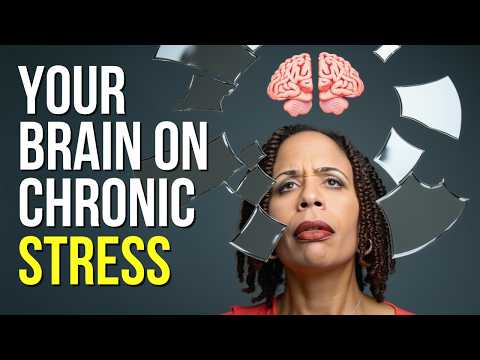
You know that feeling when life just won’t stop throwing curveballs at you? Yeah, that’s chronic stress, my friend. It’s like an uninvited guest who just won’t leave.
So, imagine waking up every day with that nagging weight on your shoulders. It can seriously mess with your head and heart. You’re not alone in this struggle—plenty of people are dealing with the same thing.
But the good news? There are ways to cope and find some relief. It’s all about finding what works for you, you know? Let’s dig into this together and see how you can take back some control.
Effective Strategies for Recovering from Long-Term Chronic Stress: A Comprehensive Guide
Chronic stress is no joke. It can sneak up on you and linger, making everything feel heavier. You probably know that feeling when your mind just won’t shut off, and your body seems like it’s in overdrive all the time. So, let’s chat about some effective strategies to help you recover from long-term chronic stress.
Recognize Your Stressors
First things first: you’ve gotta figure out what’s stressing you out. Take a moment to jot down what’s making you feel this way. Is it work? Relationships? Financial issues? Knowing your stressors is like shining a light in a dark room—it helps you see where to focus your energy.
Practice Mindfulness
Mindfulness can be a game-changer. It’s about being fully present in the moment without judgment. Even if it feels silly at first, try sitting quietly for five minutes and just focusing on your breath. Seriously, it can help calm that racing mind of yours.
Physical Activity
Sooo, moving your body helps more than just burning calories; it releases those feel-good endorphins! Whether it’s running, dancing, or even gardening—find something that makes you feel alive and get into it regularly.
Simplify Your Schedule
Life can be overwhelming sometimes with endless to-do lists piling up. Look through what you’re committed to and see if there are any obligations you can cut back on. Give yourself permission to say «no» once in a while!
- Cultivate Social Connections
- Healthy Eating Habits
- Create Relaxation Rituals
- Seek Professional Help
Connecting with friends or family boosts your mood and helps you process stress better. It’s all about having someone who gets you—share laughs or simply vent together over coffee.
Nourishing yourself is super important during stressful times! Focus on whole foods: fruits, veggies, lean proteins—you know? They fuel both your body and brain.
Find activities that help you unwind—be it reading a book, taking warm baths, or practicing yoga. Consistent relaxation rituals can be key in fighting off chronic stress.
Sometimes talking to a therapist or counselor can give you insights into coping mechanisms that might work specifically for you. Don’t hesitate to reach out for support when needed.
Sleep Hygiene
Let’s not forget sleep! It plays such a vital role in how we handle stress. Establish a calming bedtime routine: maybe dim the lights an hour before bed or avoid screens right before sleeping.
Lastly—and I can’t emphasize this enough—give yourself grace throughout this process! Recovery isn’t linear; some days will be better than others. Celebrate small victories along the way because they matter.
So remember: recognizing your stressors, embracing mindfulness practices, staying active, simplifying your life when possible—all of these strategies combine to support your recovery from chronic stress disorder over time!
Effective Coping Mechanisms for Managing Chronic Stress: Strategies for a Healthier Mind
Chronic stress can feel like a never-ending rollercoaster, right? You’re just trying to get through the day, and bam! Another wave of anxiety hits you. But, seriously, managing chronic stress is totally possible with some effective coping mechanisms. So, let’s chat about some strategies that might help you keep that healthier mind.
1. Mindfulness and Meditation: Engaging in mindfulness practices can be a game-changer. It’s all about being present in the moment without judgment. Picture this: you’re sipping your coffee but your mind is racing about next week’s meeting. Instead, try focusing on how the coffee feels warm in your hands or its aroma. Just taking 5 minutes a day to practice mindfulness or meditation can help calm your racing thoughts.
2. Physical Activity: Exercise doesn’t have to mean hitting the gym for hours on end. Even a quick walk around the block does wonders! Getting your body moving releases endorphins, which are like natural mood lifters. Think back to that time you finished a tough workout and felt like a total champ—that rush is real!
3. Healthy Relationships: Surround yourself with positive people who uplift you. Sometimes just chatting with a friend about your day can lighten that heavy mental load. Ever notice how talking things out helps make problems feel smaller? It’s like taking off a heavy backpack after hiking uphill!
4. Time Management: Feeling overwhelmed often comes from having too much on your plate—all at once! Try breaking tasks into smaller chunks and prioritize them based on importance or deadlines. You’d be surprised how crossing even one thing off your list can boost your mood.
5. Hobbies and Interests: Engaging in activities that bring joy is super important for mental health too! Whether it’s painting, gardening, or gaming—make time for things you love doing! Remember that feeling when you finally finished a puzzle or caught that big fish? Yeah, that’s what I mean.
6. Healthy Eating: What we eat impacts our moods more than we realize. Load up on fruits and veggies instead of junk food when you’re stressed; they really do help improve brain function! Ever felt sluggish after binge-eating junk? Your body notices these things too!
7. Seeking Professional Help: Sometimes, it’s tough to handle everything alone, and that’s totally okay! Talking to a therapist or counselor can provide tools tailored just for you—a personalized game plan for dealing with stressors more effectively.
So there you have it—coping mechanisms that might help manage chronic stress better than before! Life throws curveballs at us constantly; it’s about finding ways to dodge them without losing our minds in the process, right? Remember to be kind to yourself along the way; after all, you’re doing the best you can!
Understanding Stress and Its Impact on Mental Health: A Comprehensive PDF Guide
Stress is something we all deal with in varying degrees. It’s that feeling you get when life throws too many things your way at once. You know, when you’re juggling work, family, and social obligations? Chronic stress can really mess with your mental health. It’s like having a constant cloud hanging over you.
When we talk about stress, it’s important to understand that there are different types. There’s acute stress, which is temporary and often tied to specific events—like a big presentation at work. But then there’s chronic stress, which sticks around for a longer time, sometimes even months or years. It can come from ongoing situations like an unstable job or a difficult relationship.
So what happens when you’re under chronic stress? Well, the effects can be pretty serious. Your body gets stuck in fight-or-flight mode; it thinks it has to be ready for danger all the time. This leads to physical symptoms like headaches, fatigue, and muscle tension. But the mental impact isn’t any less significant.
Here are some ways chronic stress messes with your mental health:
Imagine this: You’ve got a friend who’s been dealing with job insecurity for months. They’re always on edge, worried about money and what the future holds. Over time, they start retreating from social activities because they feel overwhelmed. It doesn’t just impact their mood; it affects their relationships too.
Now coping with chronic stress isn’t a one-size-fits-all situation. Different strategies work better for different people.
Some folks find comfort in exercise. Just getting outside for a walk can boost your mood significantly. Others might prefer mindfulness techniques, like meditation or deep breathing exercises to help calm that mental storm brewing inside.
Talking things out can really help too! Therapy offers a safe space where you can explore these feelings without judgment—like having someone in your corner helping you navigate through tough times.
It’s also crucial to recognize when you’re feeling stressed and take action before it spirals out of control. Sometimes just acknowledging how you feel makes things seem less daunting.
Mind you, it’s totally okay to reach out for help if you’re struggling more than you’d like. There are resources available! Professional support through therapy or counseling can guide you through managing that chronic stress monster lurking in the background.
In summary, understanding how stress impacts our mental health shines light on why we may struggle sometimes—and what we can do about it! Prioritize self-care and connect with others; it’s really important not only for managing stress but also building resilience over time.
Coping with chronic stress disorder can feel like running on a treadmill that just won’t stop. You’re moving, but it seems like you’re not getting anywhere, right? I mean, think about it. Stress is like that annoying background noise in your life. It’s always there, even when you’re trying to enjoy a quiet moment.
I remember this one time when my friend Sarah was dealing with her own chronic stress. She had this job that was super demanding and her home life wasn’t exactly stress-free either. It felt like every little thing piled up on her shoulders, turning minor annoyances into massive mountains she had to climb every day. Honestly, just watching her go through it was exhausting!
So what do you do when the weight of the world feels too heavy? First off, it’s crucial to recognize that you’re not alone in this struggle. Many people wrestle with similar feelings—it’s a shared human experience. Taking a step back to breathe and acknowledge your feelings can be the first move toward finding some relief.
You know how they say that laughter is the best medicine? Well, it’s true to an extent! Finding small moments of joy—whether it’s spending time with friends or binging on a new series—can help turn down the volume on that constant stress buzz. Activities that make you laugh or even just take your mind off things are vital.
Now, let’s chat about coping strategies because they can really make a difference. Mindfulness meditation is often mentioned because it helps ground you in the present and offers an escape from racing thoughts. And then there’s physical activity; something as simple as taking a walk or dancing around your living room—whatever gets your heart pumping—releases those feel-good chemicals we all need.
And hey, consider reaching out for support too! Sometimes talking to someone who gets it can make all the difference—a therapist or even friends who understand what you’re going through. It’s amazing how sharing what’s weighing you down lightens the load.
So yeah, chronic stress disorder might feel like a shadow lurking behind you at times but remember that there are ways to cope and manage it better each day. You’ve got tools and options out there; it’s just about finding what fits for you personally! And don’t forget: giving yourself grace during tough moments? That’s also part of surviving this wild ride called life!