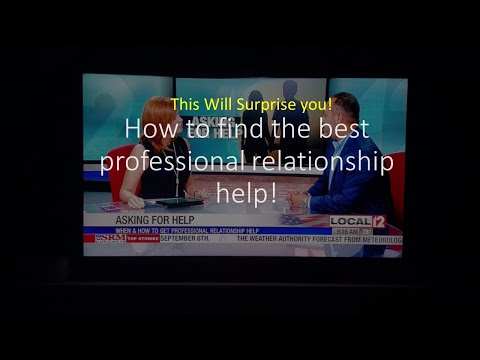
So, you’re feeling a bit off in your relationship, huh? Yeah, it happens. Life can get messy and love isn’t always a walk in the park.
Maybe you’re wondering about marriage counseling options? It’s totally okay to seek help! Seriously, even the strongest couples hit rough patches.
Cigna has some pretty solid resources out there. You know, they connect people with counselors who get it.
Finding the right fit can make a world of difference. Think of it as having a guide on this bumpy road.
Let’s chat about some effective options nearby that could really help you both connect again! Sound good?
Exploring Couples Therapy Options: Does Cigna Provide Coverage?
When you’re thinking about couples therapy, whether it’s to improve communication or just reconnect, knowing if your insurance covers it can be a big deal. If you have Cigna, you’re probably wondering how they handle couples therapy options and what you need to know.
First off, Cigna typically provides coverage for mental health services, including couples therapy, but the specifics can vary based on your plan. Some plans may cover it fully, while others might require you to pay a copay or coinsurance. It’s always a good idea to check the fine print of your specific policy.
Next, let’s talk about the types of therapy that might be covered. You could look into options like Emotionally Focused Therapy (EFT) or Cognitive Behavioral Therapy (CBT), which are commonly used in couples counseling.
Just remember that not every counselor will accept Cigna insurance, so make sure to ask when you’re reaching out.
Now, if you’re thinking about finding a therapist who accepts Cigna near you, start by using their online provider directory. That lets you filter by location and specialty. Some folks like to ask family and friends for recommendations too; sometimes word-of-mouth leads you to someone great!
It’s also worthwhile to note that pre-authorization may be required for certain services. That means before your sessions kick off, Cigna might need confirmation that therapy is necessary.
Lastly, don’t hesitate to give Cigna a call directly. They have reps who can explain your benefits in detail and answer any questions about coverage under your specific plan. Having clear info could give you peace of mind as you embark on this journey together.
In summary, Cigna does provide coverage for couples counseling in many cases, but checking your specific plan is essential so there are no surprises down the road!
Discovering the Most Effective Marriage Counseling Techniques for Lasting Relationships
Marriage counseling is like having a coach for your relationship. Things can get tough, and sometimes, you just need someone to help you sort through the mess. If you’re looking into effective techniques for lasting relationships—especially with options like what Cigna offers—it’s good to know some key strategies that might help.
First off, communication is huge. Couples often struggle because they don’t express their feelings clearly or listen to each other properly. A common technique used in counseling is called “active listening.” This means really paying attention to what your partner says without planning your response while they’re talking. For example, if they share something bothering them, instead of thinking about how you’ll reply, just soak it all in. You might say something like, “What I hear you saying is…” to show you’re engaged.
Another important approach is emotionally focused therapy (EFT). This technique looks at the emotional bond between partners. It helps couples understand their attachment styles and how these affect their interactions. By recognizing patterns that lead to conflict, couples can replace negative cycles with more nurturing ones. Imagine a couple that always fights over chores; EFT could help them realize it’s not about the chores but a deeper need for recognition and appreciation.
Then there’s cognitive-behavioral therapy (CBT), which focuses on changing negative thought patterns. Sometimes we think things like “My partner doesn’t care about me” when that’s not really true at all! CBT helps challenge those thoughts and replace them with more positive approaches. It’s kind of like training your brain to see the good stuff instead of getting stuck on the bad vibes.
Additionally, problem-solving techniques are super effective too. Counselors often guide couples through structured problem-solving exercises where they identify issues and brainstorm solutions together rather than arguing in circles. Say you’re fighting over money; breaking down budgeting into a step-by-step plan can turn that conflict into a team effort rather than a battlefield.
Don’t underestimate the value of shared experiences, either! Counselors encourage couples to reconnect by engaging in activities they both enjoy—like cooking together or taking long walks. These little moments can really boost intimacy and remind you why you fell in love in the first place.
And then there’s setting goals together—no kidding! Couples who create shared goals often find themselves feeling more united because they’re both working towards something meaningful as a team. Whether it’s planning a vacation or even simple home improvements, it fosters collaboration and excitement in your relationship.
Finally, let’s talk about the role of consistency. Therapy isn’t just a one-time thing; it’s ongoing work! Regular check-ins about how things are going in your relationship keep communication flowing smoothly and ensure you address issues before they snowball into bigger problems.
Finding effective marriage counseling techniques—like those offered through Cigna’s options—can genuinely lead to lasting happiness if both partners commit to making it work together. So yeah, whether it’s improved communication or engaging activities, every little bit counts when you’re trying to build a strong foundation for your relationship!
Choosing the Right Counselor for Your Marriage: A Guide to Effective Relationship Therapy
Choosing the right counselor for your marriage can feel like a big deal, huh? I mean, it’s not just about finding someone who can listen. You want someone who gets you and your partner, too. The thing is, effective relationship therapy can make all the difference when things get tough. So, let’s break it down a bit.
First off, you might want to think about what kind of issues you two are facing. Are you struggling with communication? Maybe there are trust issues or just a feeling of drifting apart. Whatever it is, identifying the core problem can help you figure out the type of counselor that’ll be best for you.
Next up is credentials. You’d want your counselor to have some solid qualifications in marriage counseling or family therapy. Look for licenses like LMFT (Licensed Marriage and Family Therapist) or LCSW (Licensed Clinical Social Worker). These credentials usually mean they’ve been trained to handle relationship issues specifically.
Now, let’s talk about approach. Different counselors have different styles. Some might focus on emotions, while others lean towards problem-solving techniques. It’s crucial to find someone whose approach resonates with both of you. For instance, if one of you prefers a more structured environment while the other wants to explore feelings deeply, that could be a sticking point down the road.
Specializations can also matter. Maybe your relationship has cultural aspects that need consideration or perhaps there’s past trauma involved—some counselors specialize in these areas. It’s worth doing some research here because having someone who understands your specific challenges can be a game changer.
Don’t shy away from interviews. Seriously! A preliminary chat with potential counselors can be super helpful. This gives both you and your partner a sense of how well you connect with them. Ask questions like: What’s their experience with couples? How do they handle conflicts during sessions? You should feel comfortable discussing sensitive stuff!
Also important is logistics. Check their availability and location—especially if you’re looking into Cigna marriage counseling options near you! If driving across town feels like too much on top of everything else going on in your relationship, maybe online counseling could work better for you.
And then there’s the whole topic of cost. Even if you’ve got Cigna coverage, make sure to understand what services are covered and what might involve out-of-pocket costs. It’d suck to get attached to someone only to find out that continuing with them isn’t feasible financially.
Lastly—don’t forget about feedback. After a couple of sessions, check in with each other about how things are going. Is it helping? Do both of you feel heard and understood? Therapy should create space for growth and healing—not add stress!
So yeah, finding the right counselor takes time but it’s totally worth it when you’re trying to strengthen your marriage together.
So, you’re thinking about marriage counseling, huh? You’re not alone. Relationships can be really tough sometimes. Everyone has their ups and downs. The thing is, you don’t always have to go through it alone. Finding effective Cigna marriage counseling options nearby can truly make a difference.
Imagine this: You’ve been arguing more than usual with your partner. Little things turn into big blowouts. You love each other, but it feels like you’re just stuck in a rut. You’d tried talking it out yourselves, but that only made things more frustrating. That’s when the idea of counseling pops into your head as a possibility.
Cigna provides coverage for various mental health services, including marriage counseling, which is super helpful! But figuring out where to start can be overwhelming. There are so many professionals out there—how do you choose the right one? Well, personally, I think it’s important to look for someone who really gets you and your relationship dynamics.
You might want to check online directories or even ask friends for recommendations (if they feel comfortable sharing). Sometimes therapists have profiles where they list their specializations—some might focus on communication issues or conflict resolution while others might lean toward rebuilding trust after infidelity or dealing with life transitions together.
And hey, don’t forget about the importance of finding a therapist who resonates with both partners! You want someone who makes both of you feel safe and heard. So if the first session feels like a misfit, it’s okay to try someone else until you find that perfect match.
I remember a friend who went through something similar and felt really nervous before their first appointment. But afterward? They said it was like a weight had been lifted off their shoulders! They talked about how having an objective person in the room helped them see things from a different perspective—like viewing the same puzzle from new angles until everything finally clicked into place.
Finding effective Cigna marriage counseling options near you could be the first step to rebuilding your connection and getting back on track together. Seriously! Getting professional support can spark those fresh conversations that often lead to breakthroughs in understanding one another better.
In the end, love needs nurturing just like any other garden—you gotta tend to it! And sometimes that means asking for help along the way. So if you’re feeling stuck in your relationship, take that leap and consider giving marriage counseling a shot!