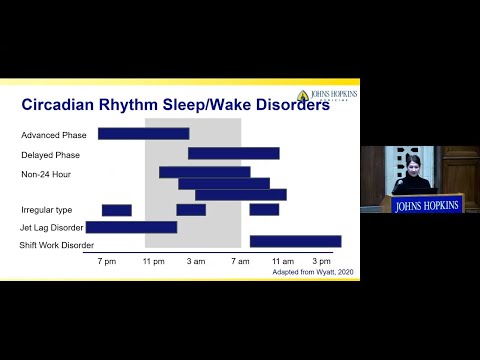
You know those nights when you’re up way too late scrolling through your phone, and then the next day, you feel like a zombie? Yeah, that’s a classic case of circadian phase delay.
It’s like your internal clock is just throwing a fit. And that can seriously mess with your mood and energy levels.
Let’s be real: it’s tough to be at your best when your sleep schedule is totally out of whack. You end up feeling irritable, anxious, or even a bit down.
So, what the heck is going on here? And why does it matter for our mental health? Let’s dig into this together!
Understanding the Impact of Circadian Rhythm Disruption on Mental Health
Circadian rhythms are those nifty internal clocks that help regulate our sleep-wake cycle. You know, they tell your body when it’s time to hit the hay and when it’s time to rise and shine. But what happens when these rhythms get thrown off? That’s where things can get a little tricky, especially regarding mental health.
When we talk about circadian phase delay, we’re referring to a situation where our internal clock is out of sync with the external environment. For example, if you’re a night owl who stays up late and sleeps in, your natural rhythm might lag behind the typical day-night cycle. This mismatch can seriously mess with your mental well-being.
So, how does this disruption affect us? Here are a few key points:
- Increased anxiety: You might find yourself feeling more anxious or on edge. Sleep deprivation can heighten feelings of worry, impacting your overall mood.
- Depressive symptoms: There’s evidence linking circadian rhythm disruptions to depression. If you’re waking up and going to bed at odd hours, it could lead to feelings of hopelessness or sadness.
- Cognitive difficulties: Ever had trouble focusing after pulling an all-nighter? Yeah, that’s your circadian rhythm on strike. Poor sleep can impair memory and decision-making abilities.
- Heightened stress levels: When your body is out of sync, it can trigger increased cortisol production (the stress hormone). Over time, this might lead to chronic stress issues.
You see, it all boils down to sleep—and not getting enough of it can spiral into bigger issues. I remember a friend who started staying up late playing video games during college. At first, she thought she was just being productive at night. But soon enough, she started feeling anxious all day long and couldn’t concentrate in class anymore. Once she got her sleep schedule back on track—wow! What a difference.
Managing these disruptions isn’t always straightforward. It’s important you prioritize sleep hygiene by creating a solid bedtime routine or limiting screen time before bed. Seriously—those blue light-emitting devices are like little saboteurs for your circadian clock!
In essence, understanding circadian rhythms offers valuable insight into maintaining good mental health. If you find yourself frequently battling those mental health ups and downs because of irregular sleep patterns, maybe it’s time for some adjustments in your daily routine.
So yeah—getting those rhythms back in sync can be a game-changer for both your mind and body!
Understanding the Health Consequences of Circadian Rhythm Disruption on Mental Well-Being
Circadian rhythms are like your body’s internal clock. They help regulate things like sleep, mood, and other important functions. When everything is running smoothly, you feel more energetic and balanced. But when there’s a disruption—like if you stay up too late or have an inconsistent sleep schedule—your mental health can take a hit.
So, what does it mean to have a circadian phase delay? Basically, it’s when your natural sleep-wake cycle drifts later than normal. This often happens with late-night work schedules or even from binge-watching your favorite shows until dawn. You know that feeling? The next day can be a struggle, right? Well, this shift can mess with your mood and overall mental well-being.
When your circadian rhythm is out of whack, here are some of the health consequences you might encounter:
- Increased anxiety: Ever notice how everything feels heavier when you’re sleep-deprived? Just that simple lack of rest can ramp up feelings of anxiety.
- Higher risk of depression: Studies suggest that those with disrupted rhythms may have higher rates of depression. It’s like your brain’s ability to cope takes a dip when it’s tired.
- Cognitive difficulties: Sleep matters for clear thinking! You might have trouble focusing or making decisions when you’re not getting enough quality shut-eye.
- Emotional instability: When the clock gets funky, emotions can start swinging wildly too. Little things may set you off more than they usually would.
- Physical health effects: It’s not just about how you feel mentally; poor circadian health can lead to physical issues too—including obesity and heart disease.
I remember this one time my friend Rob stayed up way too late studying for exams. He was all over the place: anxious one minute and super grumpy the next. It was like watching a rollercoaster ride on repeat!
Here’s the kicker: as humans, we need light for our internal clocks to function properly. Exposure to natural light during the day helps keep our rhythms in tune. So if you’re stuck inside all day—and let’s face it, we have our moments—make sure to step outside now and then!
If you’re finding yourself battling with sleep issues regularly, it might be helpful to think about some habits you could change:
- Create a routine: Try going to bed at the same time each night; your body loves habits!
- Avoid screens before bed: Blue light from devices can trick your brain into thinking it’s daytime.
- Ditch caffeine in the afternoon: Seriously; that cup o’ joe might mess with your zzz’s later!
So yeah, being aware of how circadian rhythm disruptions impact mental health is crucial. It’s not just about getting enough sleep; it’s about getting good-quality sleep too! Make changes where you can—your mind will thank you for it!
Understanding the Impact of Circadian Rhythm on Mental Health: A Guide to Better Wellbeing
Circadian rhythms are like internal clocks that help regulate our sleep-wake cycles and other bodily functions. They follow a roughly 24-hour cycle, influenced by factors like light and darkness. Disruptions in these rhythms can seriously mess with your mental health.
Circadian phase delay is when your body’s internal clock is out of sync with the natural light-dark cycle. You know that feeling when you’ve stayed up way too late binge-watching a show? Your body might struggle to adjust to a normal schedule, leading to some serious grogginess the next day. This can happen for various reasons: shift work, travel across time zones, or just not getting enough sunlight during the day.
When your circadian rhythm is delayed, it can lead to increased feelings of anxiety and depression. You might find it hard to concentrate at work or school or feel moodier than usual. Think about that time you had a tough week with little sleep—everything felt overwhelming, right? That’s your mental health taking a hit because of poor sleep patterns.
Here are some ways circadian rhythm disruption affects mental health:
- Sleep Disorders: Insomnia and disrupted sleep can arise from circadian misalignments.
- Cognitive Function: Memory problems and difficulty concentrating can stem from low-quality sleep.
- Mood Swings: Erratic sleep patterns can lead to irritability and feelings of sadness.
- Anxiety Levels: People might experience heightened anxiety when they’re not sleeping well.
- Stress Response: Chronic disruption affects how our bodies handle stress.
So, what can you do about it? First off, establishing a consistent sleep routine is key. Going to bed and waking up at the same time every day helps signal your body when it’s time to wind down or get moving. Exposure to natural light in the morning also tells your brain it’s daytime! You might try taking short walks outside on sunny days or even getting some daylight through your window.
Another thing that works for many people? Cutting back on blue light before bed! So put down that phone an hour or so before hitting the hay; those screens trick your brain into thinking it’s still daytime.
In short, understanding how circadian rhythms affect mental health can really change how you approach everyday living. By making small adjustments to align your body’s clock with the world around you, you’ll likely find improvements in mood, energy levels, and overall well-being. It’s all about listening to your body!
Circadian phase delay is one of those phrases that sounds fancy but boils down to something we all kinda get: your body’s internal clock is off. So, let’s picture this for a second. Imagine you’re someone who’s always felt more awake at night. You stay up late, binge-watch that new series, and then struggle to get out of bed in the morning. Your friends are texting you about brunch at 10 AM while you’re just hitting your peak energy levels—coffee in hand—at noon.
What happens is, when this becomes a habit, it messes with your sleep schedule and, eventually, your mental health too. You might notice mood swings, or feelings of anxiety creeping up when you least expect them. It’s like riding an emotional rollercoaster where you’re constantly chasing after a feeling of normalcy but can’t quite grasp it.
A friend of mine went through something similar. He was always the life of the party at night but would crash during the day. He didn’t realize how much being out of sync with his natural rhythm took a toll on him until he started feeling kinda down and anxious all the time. He struggled to concentrate at work, which only made things worse for him mentally.
So why does this happen? Well, our bodies rely on certain cues from sunlight and darkness to regulate hormones like melatonin—basically the sleep fairy that tells you when it’s time to snooze. If you’re staying up way past sunset regularly and waking up late, everything gets thrown off balance.
When these rhythms are outta whack for too long, you might find yourself battling depression or increased anxiety levels because your brain isn’t getting the downtime it needs. It’s kinda like if you had a phone that never got charged—eventually it just stops working properly.
But here’s the silver lining: awareness can be transformative! Just by recognizing that our internal clocks need some TLC can make us feel a little more in control of our lives. You can start making small changes like dimming lights at night or getting some morning sunshine to help reset that internal clock. It doesn’t have to be an all-or-nothing situation; sometimes just shifting things slightly can lead to big changes in how you feel overall.
So yeah, if you ever think you’re caught in this phase-delay cycle, don’t beat yourself up about it. Just know you’re not alone and there are ways to bring back some harmony into your daily rhythm!