Hey, you know those days when you feel like a zombie? Like, you’re dragging yourself around and can barely keep your eyes open? It might not just be because you stayed up too late binge-watching your favorite show—though I totally get that struggle.
There’s this thing called circadian rhythm. Basically, it’s like your body’s internal clock, telling you when to sleep and when to wake up. But what happens when that clock goes haywire? Spoiler alert: your mental health can take a hit.
Imagine feeling anxious or down for no clear reason. Or maybe you’re super irritable. Yup, that could be linked to your circadian rhythm being all outta whack. So, let’s chat about how this funky clock of yours affects your mood and mind.
Understanding Your Circadian Rhythm: What Is Your Internal Clock?
So, let’s chat about your circadian rhythm. You know, that internal clock ticking away in your brain, regulating when you sleep and when you wake up. Basically, it’s a cycle that helps your body keep track of time, kind of like a built-in schedule for all the stuff we do daily—eating, sleeping, working, and even chilling out.
Your circadian rhythm is usually tied to natural light. When it gets dark outside, your body ramps up melatonin production to help you wind down and catch some Z’s. And when the sun rises? Bam! Melatonin drops off, helping you wake up and get moving. So cool, right?
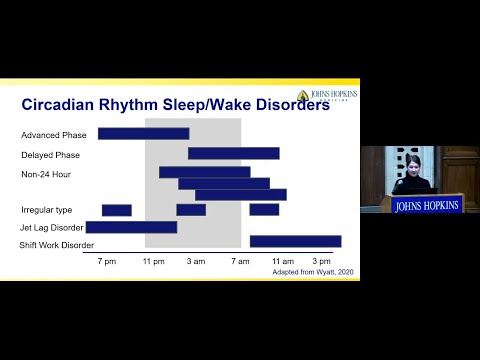
Now here’s the thing: what happens if this internal clock gets out of whack? Things can get pretty messy. Disruption can occur due to lots of reasons: late-night screens, irregular sleep schedules, or even crazy work shifts. When this happens, not only does it mess with your sleep patterns but it can also impact your mental health in some major ways.
People experiencing circadian rhythm disruption might feel more anxious or depressed. Like when I was in college pulling all-nighters to finish those papers—I was always on edge and couldn’t focus at all. My mood swung like a pendulum! This is because our body’s natural rhythms influence neurotransmitters like serotonin and dopamine—key players in how we feel.
Also, if you’re not getting enough sleep because your clock’s all jacked up, forget about focusing at work or school. You might find yourself feeling irritable or just plain foggy-headed. It’s like trying to drive a car on an empty tank—things just don’t function smoothly.
Some common symptoms of circadian rhythm disruptions are:
- Difficulty falling asleep: You toss and turn like it’s an Olympic sport.
- Waking up during the night: It feels like you’re playing a game of musical beds.
- Mood swings: One minute you’re fine; the next you’re ready to explode over spilled coffee.
- Lack of energy: You’re dragging harder than a Monday morning.
So what can you do if you suspect your circadian rhythm is out of sync? Start by establishing a regular sleep routine that aligns with natural light patterns. Open those curtains in the morning! Try dimming lights as bedtime approaches to signal to your brain that it’s time to wind down.
And remember: taking care of your mental health is super important! If things still seem off despite making changes—don’t hesitate to reach out for help. There are professionals ready to support you on this journey back to balance.
Your internal clock matters—not just for keeping on schedule but also for maintaining that sweet spot between mental clarity and emotional stability. Keep tuning into yours!
Unlock Better Sleep: Effective Strategies to Reset Your Circadian Rhythm
Getting a good night’s sleep is like hitting the reset button for your mind and body. If you’ve been feeling off, it might be because your circadian rhythm is out of whack. This natural clock regulates your sleep-wake cycle, and when it’s disrupted, you can end up feeling cranky, anxious, or just plain foggy-headed.
So, what’s this whole circadian rhythm thing? It’s basically the body’s internal clock that runs on a roughly 24-hour cycle. This cycle responds to things like light and darkness. When everything’s normal, you feel sleepy at night and alert during the day. But if you’re staying up late staring at screens or working odd hours, your body gets confused.
Here are some strategies to help you reset your circadian rhythm:
- Establish a consistent sleep schedule: Try going to bed and waking up at the same time every day—even on weekends! It helps train your body to know when it should be sleeping.
- Limit light exposure: Bright lights can trick your brain into thinking it’s still daytime. So switch off those screens at least an hour before bed. Instead, maybe read a book or listen to some calming music.
- Create a relaxing bedtime routine: Winding down can signal to your brain that it’s time for sleep. A warm bath, light stretching, or meditation can work wonders.
- Get natural light during the day: Sunlight boosts serotonin levels which helps regulate your mood and makes it easier to sleep at night. Even just 20 minutes outside can help!
- Avoid naps if possible: Long daytime naps can interfere with nighttime sleep. If you really need one, try keeping it short—like 20 minutes max.
- Watch what you eat and drink: Caffeine can hang around in your system longer than you’d think—up to 8 hours! So try cutting back after lunch. Also, heavy meals right before bed might make sleeping tough.
Let me tell you about my friend Jamie who struggled with this whole sleep thing for ages. She was always tired but couldn’t figure out why. After some digging, she realized she was binge-watching shows until the early morning hours! Once she started following a routine—setting aside her phone an hour before bed and sticking to a consistent wake-up time—she felt more energetic and focused during the day.
If you’ve been experiencing ongoing issues with sleep despite trying these strategies—or if you’re feeling symptoms like anxiety or depression—it could be worth reaching out for professional help. Sometimes our bodies need that extra bit of support from therapists or doctors who understand how these rhythms impact mental health.
Resetting your circadian rhythm isn’t just about catching Zs; it’s about nurturing yourself emotionally too! With patience and consistency in these habits, better sleep will follow—and you’ll feel so much better for it!
Understanding Circadian Rhythm Disruption and Its Impact on Mental Health
Circadian rhythm might sound like a fancy term, but it’s really just your body’s internal clock. It tells you when to wake up, when to sleep, and even when you should feel hungry or tired. So when this rhythm gets messed up, things can go a bit haywire, especially with your mental health.
One of the big issues with circadian rhythm disruption is that it can lead to all sorts of mental health symptoms. You know that feeling when you’ve pulled an all-nighter? Yeah, that’s your circadian rhythm screaming for help. When the body doesn’t get enough sleep or sleeps at odd hours, it can trigger feelings of anxiety and depression.
- Sleep Disorders: If you’re not getting enough quality sleep, you might find yourself feeling more irritable or stressed. It’s like being on a rollercoaster with all those ups and downs.
- Anxiety: Disrupted rhythms can make your brain feel like it’s constantly in overdrive. You might find yourself worrying about everything under the sun.
- Depression: Lack of sleep and irregular patterns can contribute to feelings of hopelessness or sadness. When you’re not rested, even small tasks can seem monumental.
Take Sarah, for example. She had a job that required her to work night shifts. At first, she thought she was doing great—more money and more free time during the day! But soon enough, she started feeling anxious at work and noticed she was snapping at friends over little things. Her energy was shot by evening time; she could hardly stay awake during conversations.
But wait—there’s more! Circadian disruption isn’t just about sleeping odd hours; it also affects hormone levels in your body that play a role in how you feel emotionally. Melatonin is one of those hormones—it helps regulate your sleep cycle—and if you’re not sleeping right, melatonin production goes haywire. Your mood can plummet faster than a lead balloon.
So what’s the takeaway here? Your body craves routine—like a toddler needing their nap time! Pay attention to how you’re sleeping because there’s a solid connection between your internal clock and emotional well-being.
If you’ve been feeling off lately—more anxious or blue—it might be worth reflecting on whether your day-to-day life has thrown your circadian rhythm out of whack. Making small adjustments like setting regular wake-up times or dimming lights in the evening can help reset that internal clock.
So take care of yourself! A few changes could lead you back to feeling more balanced mentally and emotionally again!
You know, I’ve been thinking about how messed up our sleep can get sometimes. Like, have you ever pulled an all-nighter? Maybe for a project or just binge-watching your favorite show? I swear, those nights can really throw off your whole vibe. Our bodies have this internal clock called the circadian rhythm, which basically tells us when to sleep and when to wake up. It’s like having your own little timekeeper inside, but when it gets disrupted, things can go downhill pretty quickly.
I remember a time when I was working late hours at a job that had me on this really weird schedule. One week I was working nights, and the next I was back on days. Man, did that mess with my head! I felt so cranky and unfocused—like everything was just a fog. It’s wild how something as simple as not getting enough sleep can leave you feeling anxious or even depressed.
When your circadian rhythm is out of whack, it can affect way more than just being tired. You might notice heightened anxiety or feelings of sadness creeping in. Seriously! Studies show that people with irregular sleep patterns are more prone to issues like depression and anxiety disorders. The thing is, when you don’t get enough quality sleep, it impacts your mood-regulating hormones too. Like cortisol—the stress hormone—can spike up and make everything feel ten times worse.
And it’s not just the emotional stuff; cognitive function takes a hit as well. You might find yourself forgetting stuff easily or struggling to concentrate on even simple tasks. Imagine trying to tackle a big project at work but feeling like your brain is running on empty—super frustrating!
So yeah, if you’re feeling out of sorts lately and you’re not sleeping well or keeping erratic hours, just know that it makes sense! Your body’s probably begging for some rhythm back in its life. Getting into a regular sleep routine—consistent bedtimes and waking times—could work wonders for your mood and mental health overall.
It’s all interconnected: sleep influences your thoughts and feelings; how you feel in turn affects how you think—it’s like this never-ending cycle! So take care of that inner timekeeper; give it some love and watch how much better you feel!