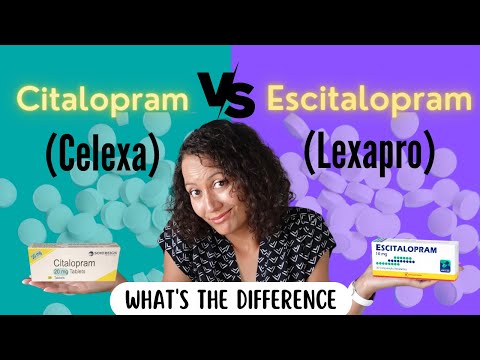
Hey, you! So, let’s chat about a couple of meds that, believe it or not, have come up a lot in mental health conversations lately: citalopram and escitalopram.
You might have heard of them. Maybe you’re curious or just trying to understand what a friend or family member is going through. That’s totally cool!
These two little pills are like twins in the medication world—super similar but with some differences. They can help with things like anxiety and depression, which we all know can be pretty tough to deal with.
But what do they really do? And are they right for everyone? Let’s break it down together!
Escitalopram vs. Citalopram: Understanding the Best Choice for Your Mental Health
When it comes to treating anxiety and depression, you might hear a lot about two medications called citalopram and escitalopram. They’re actually pretty similar but not quite the same. Let’s break it down, alright?
Citalopram is an older medication that’s been around longer. It’s classified as an SSRI, or selective serotonin reuptake inhibitor. Basically, that means it helps your brain keep more serotonin around—this chemical is linked to feeling good and happy.
Now, escitalopram, on the other hand, is like citalopram’s younger sibling. It’s known as the S-enantiomer of citalopram. What this means is that it’s derived from citalopram but specifically targets the neurotransmitters in a slightly different way. Some studies suggest that escitalopram may be more effective for some people with fewer side effects.
Both meds are used to treat major depressive disorder and generalized anxiety disorder. You might be wondering why one would work better than the other for you or someone you know.
Here are some things to think about:
- Efficacy: Some folks find escitalopram works faster for them than citalopram—like a few weeks instead of a month!
- Side effects: Both can cause issues like nausea or sleep disturbances, but some people report fewer side effects with escitalopram.
- Dosage: Citalopram usually has a wider range of dosages compared to escitalopram.
- Treatment response: Everyone’s brain chemistry is different; what works wonders for one person might not do much for another.
To give you a bit of context: imagine someone named Sarah who struggled with anxiety. She started on citalopram but found herself feeling quite drowsy all day long—and honestly, that’s not super helpful when you’re trying to balance work and life! After chatting with her doctor and switching to escitalopram, she noticed she felt more energized without those pesky drowsy feelings.
Of course, these experiences can vary widely among individuals. A medication that works like magic for one person might completely flop for another—that’s just how it goes sometimes.
It’s also worth mentioning that both drugs have been shown to be relatively safe overall when prescribed correctly. But don’t forget—you should never start or stop any kind of medication without talking with your healthcare provider first!
In short, while both citalopram and escitalopram have their merits in treating mental health issues, your individual needs matter most in deciding which one could potentially help you best. Always lean on your healthcare team—they got your back!
Combining Escitalopram and Citalopram: What You Need to Know About Safety and Effectiveness
Combining Escitalopram and Citalopram is one of those topics that raises eyebrows, especially among those of us who care about mental health. Both of these medications belong to the same family of drugs—SSRIs (selective serotonin reuptake inhibitors). They help treat depression and anxiety, but mixing them? That’s where things get tricky.
First off, you should know that Citalopram is basically the older sibling in this family. It’s been around longer and has a solid track record. On the other hand, Escitalopram is its newer counterpart and comes with a little twist; it’s actually derived from Citalopram, which means they’re closely related but not identical.
Now, when it comes to safety, you really want to be careful. Combining these two can lead to increased side effects or even push your serotonin levels too high. You could end up feeling jittery or experience more severe reactions like serotonin syndrome—a condition that can make you feel super dizzy or confused. Not fun, right?
In terms of effectiveness, there’s no strong evidence suggesting that taking both together gives you some magical boost in treating your condition compared to just sticking with one at a time. So really, if your doctor suggests combining them, it might raise some questions for you—like why?
Here are some quick points about what is important when considering this combo:
- Potential for Side Effects: Mixing these drugs can amplify typical SSRI side effects like nausea or insomnia.
- Risk of Serotonin Syndrome: This serious condition results from too much serotonin in the brain.
- No Added Benefit: Research shows no significant advantage in combining them over using just one.
- Consult with Your Doctor: They know your medical history best and can guide on what’s safest for you.
Let’s say you’re chatting with your friend who took Escitalopram because their doc thought it would be more effective for their anxiety. If they were also on Citalopram before without issues—that could complicate things if they were thinking about bridging back to both together.
It’s pretty crucial that before making any changes to medication routines—even if it’s just swapping one SSRI for another—you have an open dialogue with a healthcare provider who’s familiar with your situation. You know yourself best and deserve clarity when it comes to managing your mental health treatment!
Understanding Escitalopram: Uses and Benefits for Mental Health
Escitalopram is one of those medications you might hear about when discussing mental health. It’s a type of antidepressant that falls under the class called SSRIs, or selective serotonin reuptake inhibitors. Basically, what that means is it helps increase levels of serotonin in the brain, which can improve your mood.
Now, why would someone be prescribed escitalopram? Well, it’s mainly used to treat things like depression and anxiety disorders. Many folks find it helpful for conditions like generalized anxiety disorder (GAD) or major depressive disorder (MDD). The good news is, it has been studied quite a bit and many people report feeling better after starting this med.
How does it work? You could say it’s like cleaning up a messy room. Imagine your brain has all these serotonin messes lying around. Escitalopram helps to tidy things up by preventing the reabsorption of serotonin back into the nerve cells. So, more of it stays available to help with mood regulation.
But here’s something important: it doesn’t kick in right away. You might not notice a change for a few weeks—sometimes up to four to six weeks! Patience is key here. It’s like planting seeds; you’ve gotta give them time to sprout.
It’s not all sunshine and rainbows though. Some people experience side effects when they start taking escitalopram. Common ones include nausea, fatigue, or even some sleep disturbances. It’s worth mentioning that everyone reacts differently; while some feel weird at first, others might adapt without any issue.
Also, if you’re thinking about stopping the medication or switching doses, definitely chat with your doctor first. Stopping suddenly can lead to withdrawal symptoms—definitely not fun!
So what are the benefits? For many individuals battling anxiety or depression, escitalopram can:
- Reduce anxiety: Many users find their anxious thoughts decrease significantly.
- Lift mood: For people struggling with depression, improved mood can make everyday life feel manageable again.
- Improve focus: Some folks also report better concentration—like being able to actually focus on tasks that seemed overwhelming.
Let’s just say if you’ve been feeling stuck in a rut for quite some time now and other methods haven’t worked out as planned—like therapy or lifestyle changes—this med might be worth discussing with your doctor.
Remember Jenny? A friend of mine had been feeling heavy-hearted for months after losing her job. She felt paralyzed by negative thoughts and couldn’t see a way out until she was prescribed escitalopram. After a few weeks of consistent use—and yes, some patience!—she noticed she was able to engage in therapy more effectively and felt lighter overall.
To sum things up: Escitalopram can be an effective tool for managing certain mental health issues like anxiety and depression by adjusting serotonin levels in your brain—it requires time and isn’t free from potential side effects—but for many people searching for relief from their symptoms, it can make a real difference in their day-to-day lives!
Citalopram and Escitalopram are two names you might’ve heard tossed around when people start talking about mental health, specifically anxiety and depression. They both belong to a class of medications called SSRIs, which stands for selective serotonin reuptake inhibitors. Sounds fancy, huh? But basically, they help boost the levels of serotonin in your brain. Serotonin’s like that feel-good chemical that helps regulate mood. So, think of it as giving your brain a little pep talk.
Now, let me share a quick story. I remember my friend Sarah who struggled with anxiety and just couldn’t find her footing despite trying different therapies and coping strategies. It was tough to watch her fight through the daily ups and downs. After some time, she started taking Citalopram. Honestly, it took a few weeks for her to notice a difference—but once she did? Wow! She started enjoying things she hadn’t been able to for ages. It was like someone flipped a switch.
So what’s the difference between Citalopram and Escitalopram? Well, they’re closely related but not identical twins; Escitalopram is actually derived from Citalopram. Think of Citalopram as the older sibling who’s been around longer—it’s effective but can have more side effects for some people. Then there’s Escitalopram, which is kinda like an upgraded version with fewer side effects in many cases.
But don’t get me wrong here; they both work well for many people—and some folks might connect better with one over the other. The process is really about trial and error sometimes, you know? What works wonders for one person might not do much for another.
There’s that whole stigma around taking medication for mental health too. Some people think it’s like admitting defeat or something—that you should just «get over it.» But honestly? It’s just like needing meds when you have diabetes or high blood pressure! Mental health conditions are real—just like physical ailments.
In the end, whether it’s Citalopram or Escitalopram—or something else entirely—the important thing is finding what works best for you with support from your healthcare provider. You’re not alone in this journey; there are options out there that can truly make life brighter!