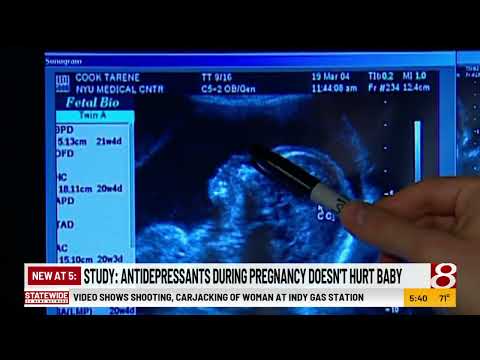
So, you know how being pregnant can feel like riding a rollercoaster of emotions? One minute you’re thrilled, and the next, it’s like the world’s closing in on you. That whole hormone thing? Yeah, it’s real.
Now, if you’ve been prescribed Citalopram or any antidepressant during this time, you’re probably wondering what that means for your mental health and your growing baby. Totally valid questions!
It can feel overwhelming trying to balance your mental health needs with all the advice flying around out there. I mean, there’s so much information, but which part do you even pay attention to?
Let’s chat about Citalopram — what it is, why some folks take it during pregnancy, and what you might want to think about. It’s a lot! But don’t worry; we’ll break it down together.
Impact of Citalopram During Pregnancy: Effects on Baby’s Health
When you’re pregnant, every little decision about your health feels magnified, right? So, if you’ve been prescribed Citalopram, which is an antidepressant in the SSRI (selective serotonin reuptake inhibitor) family, you might be wondering what that means for both you and your baby.
The thing is, Citalopram can be pretty helpful for treating depression and anxiety during pregnancy. But there are some important considerations to keep in mind. Some studies have looked into how this medication might affect babies when taken by moms-to-be.
Potential Effects on Baby: While not all babies are affected the same way, research has indicated a few key points:
- Neonatal Withdrawal Syndrome: Some infants exposed to SSRIs like Citalopram in the third trimester can experience withdrawal symptoms after birth. This could include irritability, feeding difficulties, or even respiratory issues.
- Pulmonary Hypertension: There’s a potential link between late pregnancy exposure to SSRIs and persistent pulmonary hypertension of the newborn (PPHN), a serious condition affecting blood flow in the baby’s lungs.
- Developmental Concerns: Some studies suggest that there might be an association between SSRI use during pregnancy and some developmental delays. However, the evidence is mixed and requires more research to fully understand.
You know what else? The overall mental health of expecting moms plays a huge role too. If untreated depression or anxiety leads to stress during pregnancy, it can also affect the baby’s well-being. So balancing medication and mental health is super crucial.
Talking it Through: It’s essential to chat with your healthcare provider about all this. They can help weigh the benefits of staying on Citalopram against any potential risks. Sometimes switching medications or trying therapy instead can be options worth considering—whatever feels right for you!
A friend of mine had to face this dilemma while pregnant. She was really struggling with anxiety but also worried about taking her meds. In her case, her doctor adjusted her dosage rather than pulling her off completely after discussing everything thoroughly together. It made a huge difference for both her mental health and her baby’s safety!
If you’re looking at Citalopram during pregnancy, make sure you have those open conversations with your doctor—it’s all about finding what works best for your unique situation without compromising on care!
Safe Psychiatric Medications During Pregnancy: A Comprehensive Guide for Expecting Mothers
Pregnancy is a beautiful journey, but it can be super stressful—especially if you’re dealing with mental health issues like depression or anxiety. And when you’re pregnant, finding the right balance with medications can feel like walking a tightrope. Let’s talk about citalopram, a common antidepressant, and how it fits into the picture during pregnancy.
Citalopram belongs to a class of drugs called SSRIs (Selective Serotonin Reuptake Inhibitors). These medications are designed to boost serotonin levels in your brain. You know, that “feel good” chemical? When you’re expecting, maintaining your mental health is crucial not just for you but for your baby’s development too.
Now, here’s the kicker: there’s always that worry about how any medication could affect your growing baby. Research shows that citalopram can be safe to use during pregnancy, but it’s not without risks. Some studies indicate potential associations with certain birth defects, particularly when taken in the first trimester. However, other research suggests that untreated depression or anxiety might pose greater risks.
It’s important to weigh these options carefully. Here are some key points to consider:
- Consult Your Doctor: Always have an open conversation with your healthcare provider about the pros and cons of taking citalopram while pregnant.
- Monitor Your Mental Health: If you’ve been stable on citalopram prior to pregnancy, staying on it might help prevent relapse of depression or anxiety.
- Weigh Risks vs Benefits: Discuss potential risks of taking the medication against the dangers of not treating your mental health condition.
- Consider Alternatives: If citalopram isn’t deemed safe for you during pregnancy, ask about therapy or other non-medication approaches.
Every pregnancy is unique—what’s good for one person may not work for someone else. I remember my friend Sarah; she struggled with anxiety during her first pregnancy. Her doctor adjusted her treatment plan and kept communication open throughout her journey. It made a world of difference in her experience.
Research also suggests that certain doses matter too! Lower doses may carry less risk than higher ones—but again, this is something you want to hash out with your healthcare team.
Lastly, postpartum is another big factor. Stopping medications suddenly can lead to withdrawal symptoms and may increase the risk of postpartum depression. Being informed helps you prepare for what lies ahead after your baby arrives.
So remember, looking after yourself is crucial when you’re expecting. Don’t hesitate to seek help if you need it! Your well-being matters just as much as your baby’s health does—so make those conversations count!
Impact of Antidepressant Use During Pregnancy on Baby’s Health: What You Need to Know
When it comes to using antidepressants like citalopram during pregnancy, it can feel like you’re navigating a maze. There’s a lot of information out there, and honestly, some of it can be pretty confusing. So, let’s break it down simply.
First off, you should know that mental health during pregnancy is super important. If you’re dealing with depression or anxiety while pregnant, not managing those feelings can affect both you and your baby. Here’s where the dilemma starts: medications can help with your mental health, but they come with questions about safety for your little one.
Citalopram is an SSRI (selective serotonin reuptake inhibitor), which means it works by increasing serotonin levels in the brain. This can help lift mood and reduce anxiety. But research around its use during pregnancy shows mixed results.
- Potential Risks: Some studies suggest that taking citalopram during pregnancy could be linked to a higher risk of certain complications.
- Heart Issues: There’s evidence that babies might have a slightly increased chance of developing heart defects if their mothers took SSRIs early in pregnancy.
- Pulmonary Hypertension: There’s also been concern about neonatal persistent pulmonary hypertension (PPHN), which is serious but rare.
- Withdrawal Symptoms: Newborns could experience withdrawal-like symptoms if exposed to SSRIs near delivery.
But wait! It’s not all doom and gloom. It’s crucial to find a balance between managing your mental health and considering these risks.
Now, imagine this: Sarah was pregnant and struggling with severe depression. She felt overwhelmed by the idea of stopping her medication because she feared slipping into a dark place. After talking with her doctor about the pros and cons, they decided to keep her on a lower dose of citalopram while closely monitoring her health.
That leads us to another point: Close Monitoring. If you decide with your healthcare provider to continue taking citalopram during pregnancy, regular check-ups are key! Your doctor will want to monitor both your mental state and any potential effects on the baby.
Also important is how each pregnancy is different. What works for one person may not work for another. It really comes down to personal circumstances—things like how severe your symptoms are, any history of mental illness in previous pregnancies, or other individual risk factors.
Communication with your doctor cannot be stressed enough here! They can provide individualized advice based on current research and guide you through this time.
In summary, while there are potential risks associated with using citalopram during pregnancy, many women have safely taken it under their healthcare provider’s supervision. The most vital takeaway? You’re not alone in this journey; talk openly about what you’re feeling and make choices that prioritize both your well-being and that of your baby.
So really just stay informed and work closely with professionals who understand these complexities!
So, when we talk about citalopram and pregnancy, it’s kind of a heavy topic. Citalopram is an antidepressant that falls under the selective serotonin reuptake inhibitors (SSRIs) category. It can really help folks manage depression and anxiety, but when you’re pregnant, it’s like walking a tightrope.
Imagine finding out you’re expecting. Some people are overjoyed, while others feel a mix of excitement and terror. I had this friend who was over the moon about her pregnancy, but then she started feeling a cloud of doom hanging above her. She’d been on citalopram for years to handle anxiety, and suddenly she was questioning everything. Should she keep taking it? Would it harm the baby?
That’s where things get tricky. On one hand, if someone stops taking their meds suddenly, the fallout can be messy—higher chances of anxiety or depression flaring up again. But on the other hand, there’s this concern about potential risks to fetal development linked to maternal medication use.
Research has shown mixed results. Some studies hint at minor risks like low birth weight or preterm delivery associated with SSRIs during pregnancy. Others suggest that untreated mental health issues can pose bigger risks than the medication itself! It’s a pretty complicated equation; balancing mom’s well-being and the baby’s safety is no easy feat.
It’s super important for anyone in this situation to have open chats with their healthcare provider. Each case is unique; maybe your friend could continue taking their meds with monitoring or perhaps adjust dosages? Ultimately, it’s about making sure both mom and baby are healthy.
I think what really stands out here is how mental health plays a role during such a significant life event. Pregnancy should be joyful and celebratory—not filled with worry over medication choices! Mental health professionals often emphasize support systems too—having someone to lean on can make all the difference.
In short, navigating citalopram use during pregnancy means juggling many things at once—mom’s mental wellness versus any potential risk to baby. Keeping those conversations flowing between you and your doctors? That’s key! Remembering you’re not alone in this is just as crucial so don’t hesitate to reach out for help if you need it.