You know how sometimes a smell or a sound just takes you back? Like the scent of cookies baking can remind you of your grandma’s kitchen? Well, that’s kind of how classical conditioning works.
It’s all about connecting feelings and experiences to certain triggers. And it turns out, this concept is seriously powerful when it comes to mental health treatments.
Think about it—our brains learn through associations. This can help with everything from anxiety to phobias and even some habits we’re trying to break.
So let’s chat about how this whole idea plays a role in therapy. It’s kinda cool, honestly!
Understanding Classical Conditioning: Its Role in Mental Health Treatment and Therapy
When we talk about classical conditioning, we’re diving into a way our brains learn through association. You know, like how the smell of fresh bread might make you feel all warm and cozy because it reminds you of grandma’s kitchen. This learning process is crucial in understanding how certain behaviors or emotional responses develop, especially in mental health treatment.
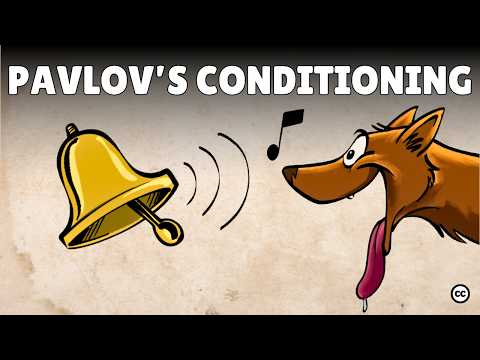
So, basically, classical conditioning was first described by a Russian psychologist named Ivan Pavlov. He noticed his dog would start salivating at the sound of a bell whenever he fed it. The dog learned to associate the bell with food. This connection? Huge for understanding some mental health issues!
In therapy, professionals use classical conditioning to help treat different conditions, like phobias or anxiety disorders. For instance, let’s say someone has an intense fear of spiders. If they gradually get exposed to images of spiders while practicing relaxation techniques, over time, they can start feeling less anxious around them. This process is known as systematic desensitization. It’s like retraining your brain’s response to trigger situations.
Another key concept connected to classical conditioning is aversion therapy. This is often used to help people stop harmful habits, such as smoking. Imagine pairing the act of smoking with something unpleasant—like a bad taste or nausea—so your brain starts associating cigarettes with discomfort instead of pleasure. It’s not always super pleasant but it can be effective!
Classical conditioning also plays into how we develop habits and routines that affect our mental well-being. Ever notice how certain songs make you feel nostalgic or remind you of a specific moment? That’s your brain at work! These associations shape your emotional responses and can impact everything from mood swings to triggers for anxiety attacks.
But remember, while classical conditioning can help create positive changes in therapy, it’s not a one-size-fits-all solution. Some people may find other methods more beneficial—like cognitive-behavioral therapy (CBT) which focuses on changing thought patterns rather than just reactions.
In the end, understanding classical conditioning gives both therapists and clients useful tools in navigating mental health challenges. You get to understand how past experiences shape current feelings and behaviors—a real lightbulb moment for many!
So next time you find yourself feeling anxious about something seemingly small—or even big—take a moment to think about what might have conditioned that response in you over time. It’s all part of this wild journey we call life!
Understanding Classical Conditioning: Its Impact on Behavior and Mental Processes
So, classical conditioning is like a fancy way of saying that we learn through association. You know, it’s when you start linking one thing with another. Picture this: you hear a bell every time you eat your favorite meal. After a while, even if you just hear the bell, you might feel hungry—even if there’s no food around. That’s the basic idea!
This concept was first put into the spotlight by a dude named Ivan Pavlov in the early 1900s. He did this experiment with dogs. Every time he fed them, he rang a bell. Eventually, the dogs started drooling just from hearing the bell—without any food in sight! This “learning through association” can really explain how our behaviors and feelings are shaped over time.
- Associations Shape Reactions: Think about how certain smells can trigger memories or feelings. Like when you catch a whiff of cookies baking and it reminds you of your grandma’s kitchen. Those associations stick with us and can influence how we react in similar situations later on.
- Impact on Behavior: Classical conditioning plays a major role in understanding phobias. Like someone who had a nasty experience with dogs might start feeling anxious or scared whenever they see one—even an adorable puppy! That fear response has been conditioned over time.
- Mental Health Treatment: In therapy, classical conditioning can be pretty useful. Therapists sometimes use techniques that involve re-conditioning these responses to help people cope with their fears or anxieties. If someone is afraid of flying because of a bad experience, exposure therapy might help them slowly associate flying with positive experiences instead.
The thing is, classical conditioning isn’t just limited to negative experiences—it’s also great for building positive habits! For instance, let’s say every time you hit the gym, you reward yourself with your favorite shake afterward. Over time, hitting the gym feels more satisfying because your brain links exercise to that yummy treat.
But hold on! It’s not all sunshine and rainbows; classical conditioning has its quirks too. Sometimes those associations can be hard to break once they’re formed—like when someone tries to overcome an addiction that became tied to certain environments or triggers.
You see? Classical conditioning shows up in so many ways in our lives—shaping how we respond emotionally and behaviorally based on past experiences. It’s pretty fascinating stuff, really!
Understanding Classical Conditioning: A Key Example in Therapeutic Practices
Classical conditioning is like that moment when you hear a song that instantly reminds you of a specific time or person. You know, it’s powerful stuff! Basically, it’s a learning process through which we associate two things together—like Pavlov’s dogs salivating at the sound of a bell. Let’s break this down.
The Basics: Classical conditioning involves creating an association between a neutral stimulus and an unconditioned stimulus. Here’s how it works: imagine you hear the sound of an ice cream truck (neutral stimulus), and every time you hear it, you get ice cream (unconditioned stimulus). Soon enough, just hearing that jingle makes your mouth water!
Therapeutic Practices: In mental health treatment, classical conditioning plays a significant role. Therapists often use this technique to help people with anxiety disorders or phobias. For example, if you’re afraid of spiders (the unconditioned response to the fear), exposure therapy can help change how you feel about them.
Example in Therapy: Picture someone who has a crippling fear of dogs. In therapy, they might start by looking at pictures of friendly dogs (neutral stimulus) while practicing deep breathing techniques to manage their anxiety (unconditioned response). Over time, they begin to associate dogs with calmness instead of fear.
Conditioned Responses: The cool part? Once you’ve made those associations strong enough, the previously neutral stimulus can elicit similar reactions even without the unconditioned stimulus present. Like that ice cream truck song making you crave it even when there’s no truck in sight!
Real-World Application: Think about how advertisers use classical conditioning too! If you see a commercial featuring your favorite celebrity *and* delicious food together repeatedly, soon your brain starts linking that celeb with hunger and desire for that food—just like Pavlov’s puppies!
In therapeutic settings, practitioners carefully work on changing emotional responses through these conditioned associations. It takes time and patience but can lead to big changes in how someone feels or reacts in different situations.
So there you have it! Classical conditioning isn’t just some old-school psychology concept; it’s actively shaping our emotional experiences every day—whether we’re talking about overcoming fears or deciding what snack to grab when we hear our favorite jingle!
You know, when we talk about classical conditioning, it’s kind of wild to think how much it influences our lives—like, not just in the lab with dogs and bells, but really in our everyday emotions and behaviors. You’ve probably experienced it yourself. Let’s say you hear a particular song that reminds you of a super fun summer. Suddenly, you’re taken back to that moment, feeling all those happy vibes again. That’s classical conditioning working its magic.
The thing is, this kind of learning isn’t just about creating pleasant associations. It can also be used in therapy settings, which is pretty fascinating when you think about it. Have you ever felt anxious in certain situations? Maybe your heart races when you walk into a crowded room because somewhere along the line, that setting became linked to feelings of panic or discomfort. That’s where therapists step in—using techniques derived from classical conditioning to help “unlearn” those associations.
For instance, imagine someone who has a fear of dogs after being bitten as a kid. A therapist might slowly introduce the person to dogs in a controlled environment where they feel safe and can build new positive associations. It sounds simple, right? But seriously, it’s powerful how reconditioning those feelings can change someone’s entire experience with that fear.
I once spoke with someone who went through something like this with public speaking anxiety. They had this huge fear tied to their high school days when they totally blanked during a presentation. It took time and repeated practice—like gradually speaking in smaller groups before getting up on stage—but eventually they found themselves feeling calmer and more competent each time they stood before an audience.
So yeah, while classical conditioning might seem like old-school psychology stuff at first glance, it plays a significant role in mental health treatment today. It’s all about creating new pathways for healing—even if the journey back to calmness feels tricky sometimes! Embracing these methods allows folks to reclaim control over their emotions and experiences step by step. Pretty amazing stuff!