So, let’s chat about PTSD for a sec. It’s tough, right? Imagine being stuck in a loop of memories you can’t escape.
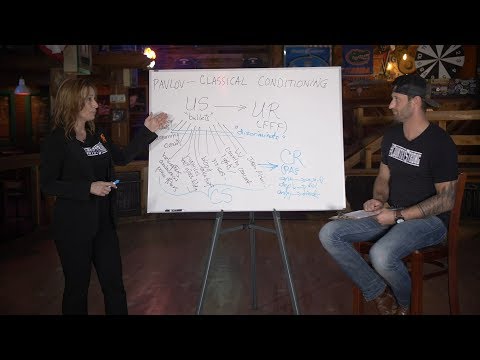
Now, here’s where classical conditioning pops in. Yeah, that thing from psychology class where you learn about Pavlov and his dogs? It’s not just for textbooks. It actually plays a role in how we can approach healing from trauma.
Think about it: your brain gets wired to respond to certain triggers because of what you’ve experienced. But the cool part is, understanding this can help us untangle those reactions.
It’s like rewiring a circuit that got fried after a storm. You just need the right tools and maybe some patience. Let’s dig into how this all connects and see how we can turn that wiring around, shall we?
Understanding the Role of Classical Conditioning in PTSD: How Learning Processes Influence Trauma Response
It’s wild how our brains work, right? Especially when it comes to something like PTSD, or post-traumatic stress disorder. You might’ve heard of classical conditioning before. It’s that learning process where we associate certain things with experiences. This can seriously affect how people respond to trauma.
So, let’s break it down a bit. Classical conditioning basically means you learn to link a neutral stimulus with a significant event. For example, if someone experienced a traumatic event near a specific sound—like a loud bang—they might start to feel anxious or scared whenever they hear similar sounds later on. It’s like their brain’s way of saying, “Hey, remember that bad thing? Watch out!”
In the case of PTSD, these associations can get super strong. You could be sitting in a café and suddenly smell something that reminds you of the trauma, and bam! Your body goes into panic mode. It’s not like you’re thinking about this consciously; it’s all happening behind the scenes.
Here are some key points about how classical conditioning plays into PTSD:
- Conditioned Responses: People with PTSD often have conditioned responses related to their trauma. Their bodies react automatically because they’ve learned to associate certain triggers with danger.
- Generalization: Sometimes, this response spreads beyond the original trigger. So if someone was in an accident involving a red car, they might feel anxious around any red car later on.
- Difficulties in Treatment: Because those triggers can be so overwhelming, getting through therapy can be tough for those with PTSD. They may avoid places or situations that remind them of their trauma.
- Exposure Therapy: In therapy settings, exposure therapy is used to help folks face those triggers in a safe environment and learn that these cues are no longer dangerous.
Let me tell you about my friend Sarah here for a sec—she went through a pretty heavy experience during a thunderstorm last summer when she was caught outside during severe weather. Now every time there’s thunder or even just dark clouds rolling in, she feels her heart race and starts sweating—classic signs of anxiety kicking in thanks to her brain linking storms with fear.
But here’s where it gets interesting: therapists can help break that cycle using classical conditioning principles too! By gradually exposing individuals to their triggers while teaching them relaxation techniques or offering support during exposure sessions, they can rewire those associations over time.
This whole process isn’t quick or easy; it takes patience and consistency. But hey, recognizing how learning processes influence trauma responses is key! Understanding this connection can really help individuals reclaim control over their reactions instead of being ruled by fear from past events.
So yeah, just know that our brains are capable of change—even in response to painful memories—and there’s hope for moving forward after trauma through effective therapies based on these principles!
Understanding PTSD Through Classical Conditioning: Insights and Implications
Understanding PTSD through the lens of classical conditioning is a real eye-opener. You know, it’s all about how our experiences can shape our reactions in ways we might not even realize. When someone goes through a traumatic event, their brain can link certain cues or triggers to those intense feelings of fear or anxiety. It’s like getting stuck in a loop that just won’t break.
Classical conditioning is basically when you learn to connect one thing to another. A famous example is Pavlov’s dogs. They learned to associate the sound of a bell with food, so they’d salivate whenever they heard it, even without food present. With PTSD, it’s similar, but instead of a bell and food, it could be something like the sound of fireworks reminding a veteran of gunfire.
When someone with PTSD experiences a trigger—let’s say the smell of smoke after being in a fire—they might feel an intense rush of panic or dread. This is because their brain has linked that smell with their trauma. The emotional response becomes automatic; it’s like flipping a switch that turns on fear instead of joy.
One common treatment approach for PTSD is exposure therapy. This method aims to help people confront and process their fears in a safe environment. Gradually exposing someone to their triggers helps weaken those conditioned responses over time. Think about it: if someone is scared of dogs because they got bitten once, spending time around calm dogs can help change that response.
But here’s where it gets tricky: recovery isn’t linear. Some days will be better than others, and sometimes old memories surge back unexpectedly. You might hear something familiar or see something that brings up old feelings. It’s important for your mind to learn that these triggers aren’t threats anymore; they’re just reminders—kind of like seeing an old photo without all the baggage attached.
Cognitive-behavioral therapy (CBT) often comes into play too when treating PTSD. By changing negative thought patterns associated with trauma, you can help reshape emotional responses through understanding and reconditioning feelings tied to those experiences.
In essence, understanding PTSD through classical conditioning gives us insight into why people react the way they do after trauma—and what we can do about it! It highlights how healing takes patience and support from professionals who get this complex dance between our past experiences and current reactions.
Ultimately, recognizing this link helps us find better pathways for treatment and recovery, leading toward more resilient futures for those who’ve been affected by trauma—and that’s something worth striving for!
Exploring Effective Treatments for Classical Conditioning in Mental Health
When we talk about classical conditioning in the context of mental health, we’re diving into a fascinating area, especially when it comes to PTSD treatment. It’s like this intricate dance between our experiences and how they shape our responses. You know, like when you hear a song that reminds you of a specific moment in your life? That’s classical conditioning at work.
Classical conditioning is a learning process where two stimuli become associated with one another. Think of Pavlov’s dogs: they learned to salivate at the sound of a bell because they associated it with food. In people dealing with PTSD, this could mean that certain reminders—like sounds or smells—trigger intense emotional reactions related to past trauma.
A really important aspect here is exposure therapy. It’s one of the main treatments for PTSD and works hand-in-hand with classical conditioning principles. In exposure therapy, you gradually confront memories or situations linked to trauma in a controlled way. The idea is that by doing this repeatedly, without negative consequences, your brain starts unlinking those scary associations.
For example, let’s say someone was in a car accident and now feels anxiety every time they get into a vehicle. During therapy sessions, they might start by looking at pictures of cars, then progress to sitting in a parked car, gradually working up to driving again. Each step helps reduce the fear response over time.
Another method worth mentioning is cognitive-behavioral therapy (CBT). While it’s not solely based on classical conditioning, CBT can help identify and change negative thought patterns stemming from traumatic experiences. This kind of reshaping can lessen anxiety tied to conditioned stimuli.
Then there’s eye movement desensitization and reprocessing (EMDR), which also uses the idea of processing disturbing memories differently. EMDR helps clients process their trauma while focusing on an external stimulus—like moving their eyes back and forth—which can lead to changes in emotional responses.
It’s neat how these treatments draw from the classic ideas behind behaviorism but adapt them for healing! What you’re really looking at here is breaking down those old associations and replacing them with new ones that are less painful.
Now remember that recovery isn’t linear; people experience ups and downs throughout their treatment journey. It’s completely normal to feel frustrated at times—but that doesn’t mean progress isn’t happening!
So if you or someone you know is dealing with PTSD or similar issues linked to classical conditioning, exploring these treatment options could be seriously helpful. It’s all about giving yourself the opportunity to respond differently so those old triggers don’t hold as much power anymore!
Alright, let’s chat about classical conditioning and its role in PTSD treatment. So, imagine you’re chilling at a friend’s house when suddenly a loud noise starts blasting from their TV. Out of nowhere, it triggers memories of a traumatic event you went through, and bam! You’re back there for a moment, feeling all those emotions again. That’s how strong those connections can be.
Classical conditioning is this learning process where you associate something neutral (like that TV noise) with something emotional (like your trauma). In PTSD, this can mean that ordinary things in your life start to remind you of painful experiences. It’s kind of like your brain learning to react to stuff even when it shouldn’t have to.
Now, think about how therapists use this concept in treatment. They might help you slowly face those triggers in a safe environment, teaching your mind that not every loud noise means danger—sometimes it just means someone’s watching the game next door. This process helps create new associations that are less scary over time.
I remember talking to a friend who had a tough time with fireworks after serving in the military. The sound brought back all sorts of feelings and memories he didn’t want to relive. But through therapy, he started going to small firework shows where the atmosphere was relaxed. Little by little, those booms turned from fear-inducing blasts into more neutral sounds he could enjoy or at least tolerate.
But here’s the thing: it takes time and patience. Recovery isn’t some straight path; it’s more like navigating through a maze with ups and downs—some days are good, and others can feel like you’re right back where you started.
Classical conditioning’s role in PTSD treatment reminds us that our brains can learn new tricks—even old wounds can heal with the right guidance and support. It takes practice but slowly rewriting those connections is completely doable for many people out there. So yeah, while the past might leave its mark, there’s always room for growth and change moving forward!