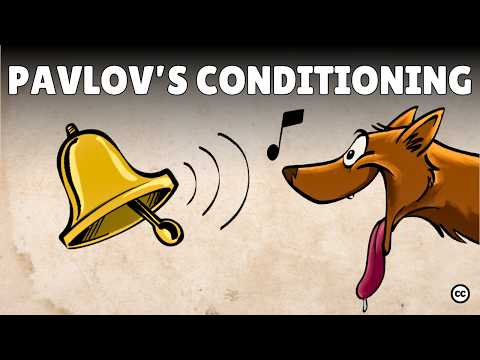
So, let’s chat about this guy named Pavlov. You know, the dude with the dogs? Yeah, that one!
He didn’t just hang out with furry friends for kicks; he stumbled onto something pretty wild about how we learn.
Picture it: a scientist, some hungry pups, and a bell. Sounds like the start of a weird joke, right? But really, it’s all about how we make connections in our brains.
This whole “classical conditioning” thing is way more than a scientific term—it’s a peek into why we do what we do. Ever find yourself feeling hungry at just the sight of your favorite fast food spot? Yeah, that’s Pavlov’s doing!
Stick around, and I’ll break down how this old-school experiment still shapes psychology today!
Understanding Pavlov’s Classical Conditioning: How It Shapes Behavior and Learning
Understanding Pavlov’s classical conditioning is like opening a door to see how behaviors are learned. This concept, developed by Ivan Pavlov in the early 1900s, can seriously change how we think about learning and behavior. So, what is it, and how does it shape what we do every day? Let’s break it down.
Classical conditioning is all about learning through association. Basically, it happens when you link a neutral stimulus with an unconditioned stimulus that naturally brings about a response. For example, imagine a dog that salivates when it sees food; this food is the unconditioned stimulus because it naturally makes the dog drool. But if you ring a bell right before giving the dog this food enough times, eventually, just ringing the bell will make the dog salivate. That bell has now become a conditioned stimulus through association.
Why does this matter? Well, think about your own experiences. Maybe you heard a certain song during a good time in your life; now every time you hear that song, you feel happy. That’s classical conditioning at work! It shapes our emotions and reactions without us even realizing it.
Here’s how Pavlov’s study went down: He conducted experiments with dogs in his lab. When he presented food to them (unconditioned stimulus), they would naturally salivate (unconditioned response). But then he started ringing a bell (neutral stimulus) before giving them food. Over time, the dogs learned to associate the sound of the bell with food, and they began to salivate just at the sound of that bell!
This concept isn’t just limited to dogs; it’s everywhere in human behavior too! Think about advertisements for fast food restaurants that often use catchy jingles or slogans—people start associating those tunes or phrases with feeling hungry or craving those fries! That’s powerful stuff!
In real life settings like schools or therapy sessions, understanding this can help shape behaviors too. For instance:
- In Education: A teacher might use rewards (like stickers) to motivate students; over time, students associate good behavior with those stickers.
- In Therapy: If someone always feels anxious when they hear their therapist’s office door open (because of previous experiences), that sound can trigger anxiety even before they step inside.
However, not everything learned through classical conditioning is positive. Negative associations can lead to phobias or other issues—like developing a fear of hospitals after having an unpleasant experience there.
So remember: classical conditioning is all around us! Every time you’re bumping into triggers—good or bad—that’s Pavlov’s work showing its impact on our everyday lives! Isn’t it intriguing how our minds pick up these cues without us even being aware? It’s like our brains are little wiring hubs connecting experiences together based on sounds, sights, and smells.
Recognizing these patterns gives us insight into why we behave certain ways and helps us understand ourselves better and maybe even try to change those automatic responses if needed!
The Lasting Impact of Pavlov’s Research on Psychology: Understanding Classical Conditioning
So, let’s chat about Pavlov and his fascinating research into classical conditioning. Seriously, this guy changed the game in psychology, and it’s still super relevant today. You might’ve heard of him because of his work with the famous dogs that salivated at the sound of a bell—not just any bell, but one that rang when they were about to eat.
Classical conditioning is really about learning through association. That’s basically what Pavlov showed us. He took a neutral stimulus—a bell—and paired it with an unconditioned stimulus, which was food for the pups. The food naturally made them salivate; that’s just instinct. But over time, they learned to associate the bell with food. Once this connection was made, just ringing the bell caused them to salivate even without any food in sight. Pretty wild, huh?
This concept isn’t just limited to dogs. Think about it: have you ever had a song come on and felt a wave of nostalgia? Or maybe you smell cookies baking and suddenly feel warm and fuzzy inside? Those feelings likely come from experiences you’ve had in the past associated with those stimuli.
Now, let’s break down some of the key points of classical conditioning:
- Unconditioned Stimulus (UCS):This is something that automatically triggers a response without any learning needed. In Pavlov’s case, it was food.
- Unconditioned Response (UCR):The natural reaction to the UCS; for instance, salivating when you see or smell food.
- Conditioned Stimulus (CS):The previously neutral thing that becomes tied to the UCS through association—in our story, that’s the bell.
- Conditioned Response (CR):This is what happens after learning takes place; now when you hear the bell (CS), you salivate (CR), even if there’s no food.
Pavlov’s work threw open doors for understanding behaviors beyond just animals; it paved new paths in human psychology too. Therapists and psychologists apply these principles in real-world settings all the time! For instance, it helps explain phobias.If someone has a frightening experience with a dog–like getting bitten—just seeing a dog later may trigger panic or anxiety due to their conditioned response.
Plus, his ideas have influenced treatments! Through methods like systematic desensitization—a fancy term where people gradually expose themselves to their fears while relaxing—they can break those learned associations over time.
There are other implications too: think marketing strategies! Advertisers are masters at using classical conditioning to create emotional responses tied to products—funny commercials or catchy jingles stick out for a reason!
So yeah, Pavlov’s research on classical conditioning brought forth critical insights into how we learn behaviors both consciously and subconsciously. It shows how powerful our associations can be—shaping our habits, fears, and even desires without us fully realizing it sometimes.
In essence, understanding classical conditioning not only helps deepen our knowledge in psychology but also helps us navigate our daily lives by recognizing these connections around us every day! Isn’t that something?
Understanding Classical Conditioning: Its Essential Role in Psychology and Behavior
Classical conditioning is one of those concepts that really shapes how we understand behavior and learning. You’ve probably heard of Ivan Pavlov, right? He’s the guy who did those famous experiments with dogs. It’s a classic story in psychology.
Here’s the gist: Pavlov noticed that his dogs would salivate whenever they saw food. But then he started ringing a bell before giving them food. Eventually, the dogs learned to associate the sound of the bell with getting fed. So, even when there was no food, they would salivate just at the sound of the bell. Wild, huh?
What does this mean? Well, classical conditioning shows us that behaviors can be learned through associations. Basically, it’s like your brain saying: “Oh, I remember this sound means good stuff is coming.” It can apply to a ton of situations in our everyday lives.
- Emotional Responses: Think about how certain songs remind you of special times or people. That feeling you get? That’s classical conditioning at work.
- Phobias: If you had a scary experience with dogs as a kid, you might become afraid of them later on—just at seeing a dog can trigger fear.
- Advertising: Companies use this all the time! They link their products to positive emotions or experiences so you feel happy when you see their brand.
The takeaway? This isn’t just some dry theory stuck in textbooks; it influences real-life situations and decisions every day. It shows us how habits form and why we sometimes react in ways we don’t even understand.
Now picture someone who has an anxiety disorder. Their panic attacks might get triggered by something that reminds them of past traumas—it’s all about those associations they formed earlier on.
So basically, classical conditioning gave birth to many ideas in psychology and continues to help us comprehend everything from habits to emotional reactions. It’s fascinating really!
You know, when you hear the name Pavlov, it’s hard not to think of those famous dogs. Seriously, the image of a scientist ringing a bell and getting a dog to drool is kind of iconic in psychology. But there’s so much more to it than just that simple experiment.
Pavlov stumbled upon classical conditioning while studying digestion in dogs. Imagine him in his lab, totally focused on how canines processed food. One day, he noticed that the dogs started salivating not just when food was presented but also when they heard footsteps or saw the lab assistant. It’s like they had learned to anticipate what was about to happen! His findings opened up this whole new way of understanding human and animal behavior.
The thing is, classical conditioning isn’t just some quirky experiment from the past—it has real-world applications. Think about when you hear a certain song and suddenly feel all those feelings you had during a specific moment in your life. That’s your brain connecting that music with emotions, just like Pavlov’s dogs linked the sound of a bell with food.
I remember once hearing my favorite song while I was driving home after a tough day at work. Out of nowhere, I felt this wave of comfort wash over me because it reminded me of happy times spent with friends on road trips. That connection we make? That’s classical conditioning at its finest! It’s more than just science; it’s about how our experiences shape our emotions.
What I find fascinating is that classical conditioning can be used for both good and bad outcomes. On one hand, it can help us create positive associations—like training yourself to feel relaxed when you smell lavender because you’ve used it during meditation sessions. But on the other hand, if someone has a traumatic experience related to something specific—a loud noise or even certain places—they might develop anxiety connected to those stimuli without even realizing why.
So really, understanding Pavlov’s work gives us these cool insights into how our minds work—how we learn and adapt emotionally over time. Whenever you catch yourself feeling nostalgic or anxious because of something seemingly random? Just remember: your brain might just be ringing its own little bell based on past experiences! Isn’t it wild how interconnected everything is?