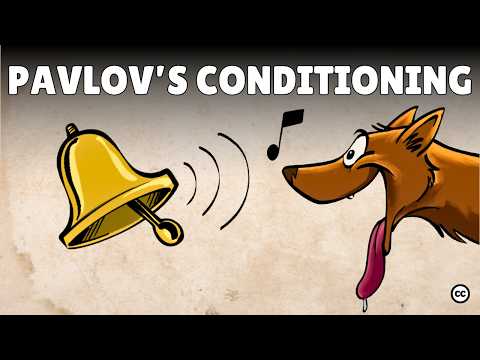
Imagine you hear the sound of a bell. It’s not just any bell; it’s the one your best friend rings when they come over. Instantly, you feel that flutter of excitement. That’s classical conditioning at work, my friend!
So, what’s the deal with this whole thing? It’s a simple idea but so fascinating. You see, our brains pick up on patterns. They connect stuff—like sounds and feelings—making us feel certain ways even before we think about it.
You might not realize it, but classical conditioning shapes so much of our everyday lives. From how we react to certain foods to why that old song gives you nostalgia. It’s like our own little emotional time machine!
Let’s dig into some real-life examples and see how this plays out in psychology and health. Trust me, it’s gonna be eye-opening!
Understanding Classical Conditioning: Its Role in Effective Mental Health Treatments
Classical conditioning is one of those psychology concepts that can really shape how we think about behaviors and emotions. Basically, it’s a learning process where we associate one thing with another. You know, like when you hear a song and it reminds you of an old relationship? That’s a classic example!
In terms of mental health, classical conditioning plays a significant role in various therapies. Take phobias, for instance. If someone has a fear of dogs, it might stem from an experience where they were bitten or scared by one as a child. The brain links the idea of dogs to fear. This happens without you even realizing it; the feelings just come flooding back every time you see a dog.
So how do therapists use this understanding? Well, they often employ techniques like exposure therapy. This approach gradually exposes the person to what they fear—in this case, dogs—in a controlled way. Over time, the emotional response can shift from fear to calmness. Imagine someone who used to panic at the sight of a dog slowly learning to just chill out around them. It’s pretty powerful stuff.
Another important application is in treating PTSD, or post-traumatic stress disorder. Someone who went through a traumatic event might react strongly to reminders of that event—like loud noises or specific smells—because their brain is conditioned to expect danger based on past experiences. Therapists can help patients recondition their responses, allowing them to feel safer and more relaxed as they encounter these triggers.
This doesn’t only apply to negative experiences though! You can also condition positive responses too! For example, if you always feel relaxed when drinking herbal tea while reading your favorite book, your brain will start linking that tea with feelings of calm and comfort.
And let’s not forget about medications! Some treatments work better when combined with classical conditioning techniques. So if someone is taking medication for anxiety and also engages in exposure therapy, they’re really stacking those odds in their favor!
- Cognitive behavioral therapy (CBT): This often incorporates elements of classical conditioning by helping people change how they respond emotionally to stimuli.
- Pavlov’s Dogs: Remember Pavlov? He conditioned dogs to salivate at the sound of a bell because they associated it with food!
- Meditation and Relaxation Techniques: These methods can also alter your conditioned responses by creating new associations with relaxation instead of stress.
The beauty here is that our brains are pretty adaptable. With time and practice, you can literally retrain yourself away from those old conditioned responses that don’t serve you anymore. It’s all about creating new patterns for your mind!
If you’re curious about diving deeper into your own patterns—whether it’s shedding some anxiety or embracing healthier habits—classical conditioning really opens up some fascinating pathways toward change.
Understanding Classical Conditioning Theory in Humans: A Comprehensive Guide
Classical conditioning is a fascinating concept in psychology. It’s basically about learning through association. Think about how you might feel when you hear a certain song that reminds you of a special moment. That’s classical conditioning at work!
The whole theory was popularized by **Ivan Pavlov**, a Russian physiologist who famously studied dogs. He noticed that their mouths would water not just when food was presented, but also when they heard the sound of footsteps or the bell he rang before feeding them. This led to the idea that you can train someone—or something—to associate one stimulus with another.
Here are some key points to help unpack this idea:
- Unconditioned Stimulus (US): This is something that naturally triggers a response, like food making a dog salivate.
- Unconditioned Response (UR): This is the natural reaction to the unconditioned stimulus, such as the dog salivating at the sight of food.
- Conditioned Stimulus (CS): This is what you pair with the unconditioned stimulus—like the bell in Pavlov’s experiment.
- Conditioned Response (CR): This is learned behavior—when the dog salivates just from hearing the bell, even without food present.
So how does this apply to humans? Well, let’s say you’ve had a bad experience at a particular place, like your local diner. If every time you go there, something negative happens—like getting food poisoning—you might find yourself feeling anxious just driving past it later. That anxiety is your brain associating that diner with discomfort.
Classical conditioning isn’t limited to just negative experiences either. Think about holidays and family gatherings! The smell of cinnamon and nutmeg might bring back warm feelings from childhood memories of baking with loved ones. In this case, those scents became associated with happiness and connection.
But it’s not all sunshine and rainbows! Sometimes these associations can lead to phobias or anxieties. Like if someone had a scary encounter with dogs as a child, they might grow up feeling fearful whenever they see one—even if they’ve never been harmed since then.
In therapy settings, understanding classical conditioning can be super helpful. Therapists might use techniques like **exposure therapy** for treating phobias. They gradually introduce people to what they’re scared of in safe environments until those scary feelings start to fade away over time.
To summarize, classical conditioning shows us how powerful associations can be in shaping our emotions and behaviors. It’s all around us and influences how we react—not just to our environment but also within our relationships and day-to-day lives! You probably experience it more than you realize!
Understanding Classical Conditioning: Real-Life Examples in Psychology and Health (Free PDF Guide)
Sure! Let’s chat about classical conditioning. This concept is one of the cornerstones of psychology, and it can really help us understand how we learn behaviors and develop responses to certain stimuli.
What is Classical Conditioning? It’s a learning process that involves associating a neutral stimulus with a reflexive response. You know, like when you hear your favorite song and get all nostalgic? That’s a conditioned response!
One of the classic examples comes from good old Ivan Pavlov. He was studying dogs and noticed they would salivate not just at food but also when they heard the footsteps of the person who fed them. This led him to conduct an experiment where he rang a bell every time he fed the dogs. Over time, they started to salivate just at the sound of that bell, even if no food was around. So yeah, ringing a bell became a cue for them.
But how does this apply to our lives? You might not be aware, but classical conditioning happens all around you! Let me throw out some real-life scenarios:
- Food cravings: Ever find yourself getting hungry just because you saw a commercial for pizza? That’s your brain making associations!
- Phobias: If someone had a bad experience with dogs as a kid (maybe getting bitten), they might develop an intense fear every time they see one later in life.
- Health behaviors: Many people learn to associate certain smells or environments with relaxation or stress relief—like that calming scent of lavender that reminds you of spa days.
This approach isn’t just theoretical. It has real implications in therapy too. For example, cognitive-behavioral therapy often uses principles derived from classical conditioning to help people unlearn negative associations or fears.
Now, think about someone who has social anxiety. They may have had an embarrassing moment in public and now feel anxious anytime they’re faced with similar social situations. A therapist might work on reconditioning their response through gradual exposure—in simple terms, helping them create new associations so they don’t panic anymore.
So yeah, classical conditioning is super interesting! It’s like your brain’s way of organizing information and making connections based on past experiences. And once you start noticing these patterns in your own life, it can really change how you see your habits and reactions—kind of mind-blowing if you think about it!
So, classical conditioning is one of those concepts in psychology that can get pretty fascinating when you think about it. It’s like this old-school way of learning where you pair something neutral with something meaningful, and over time, the neutral thing starts to trigger a response by itself. You know, like that time when you heard the sound of a bell every time you were served your favorite dessert? Eventually, just hearing that bell makes your mouth water. That’s classical conditioning at work!
A classic example? Pavlov’s dogs! The guy rings a bell every time he feeds his dogs, and after a while, they start salivating just at the sound of the bell—even if there’s no food around. It’s wild how the brain connects those dots. Think about it—our brains are constantly making those connections in our daily lives.
Take something that’s more relatable—like a bad experience with a certain smell. Maybe you got sick after eating a specific dish once. You might find yourself feeling queasy just catching a whiff of it later on, even if it’s totally safe now. That smell became associated with feeling ill because of that past experience.
Now, let me throw in a personal story to really illustrate this. I remember years ago running into an old friend from college while having lunch at this little café. The scent of coffee brewing took me right back to those late-night study sessions filled with laughter and stress. Just being there brought back all those feelings—the anxiety mixed with camaraderie and relief when finishing an exam—it was intense! But if I had been studying for finals and there had been some stressful association tied to coffee back then, I could’ve dreaded that smell instead.
In health contexts, classical conditioning pops up too—like how someone might learn to associate going to the doctor with anxiety because of past painful experiences there. If you tend to get shots or have uncomfortable exams every time you’re in that office, just walking through the door might make your heart race out of habit.
That’s why understanding classical conditioning can be super helpful in therapy settings. Therapists often use things like exposure therapy for phobias or anxiety disorders because they know it’s possible to change these conditioned responses over time through new associations.
It all makes you think about your own life experiences and what kinds of responses you’ve learned along the way—whether they’re good or not so good—and how they shape how we feel in different situations. It’s pretty amazing how our minds work sometimes, right?