Alright, let’s chat a bit about something you might not think about at first—classical conditioning. Sounds fancy, right? But it’s really just a way our brains learn through associations. Super simple, actually.
Imagine your favorite song coming on, and it instantly brings you back to summer days filled with laughter and fun. That’s kind of how classical conditioning works. It’s all about making connections that stick.
Now, picture this: you’re in a classroom, and you want everyone to remember the material better. There are some cool techniques out there that can totally help with that.
So, whether you’re a teacher looking for new ideas or just curious about how we learn, let’s dive into some fun ways to make learning more engaging!
Exploring Classical Conditioning: Effective Techniques for Behavioral Change in Psychology
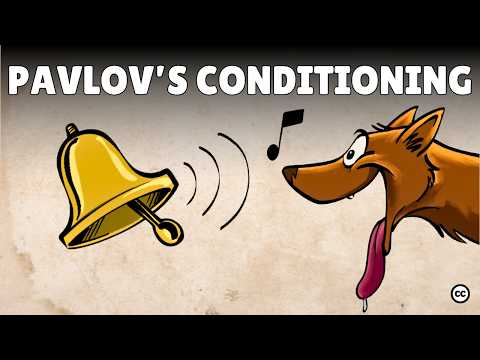
Classical conditioning is a fascinating concept in psychology that’s all about how we learn through association. You might remember from school how Pavlov’s dogs learned to salivate at the sound of a bell because they associated it with food. That whole setup isn’t just a science experiment; it reflects how we, too, can be trained to respond to certain stimuli.
So, here’s the thing: classical conditioning techniques can be super effective in classroom settings. Think about it: if a student hears a specific bell ring before each lesson begins, they might start feeling more focused and ready to learn just because they associate that sound with getting down to business. Pretty cool, right?
Now, let’s talk about some practical techniques you can employ in a classroom to harness this powerful tool.
- Consistent Cues: Establish regular cues for different activities. For example, play soft music when it’s time for quiet reading. Over time, kids will begin to connect that music with getting into their reading zones.
- Praise and Rewards: When students complete their tasks well, give them praise or simple rewards like stickers. This helps them associate good behavior with positive outcomes.
- Visual Reinforcements: Use charts or colored cards as visual signals for behavior expectations. For instance, showing a green card when kids are on task will help them link being on task with that visual cue.
You gotta remember—this isn’t magic; it takes time! The more these associations get reinforced through repetition, the stronger the links become in their minds.
But what about emotional responses? Well, classical conditioning can also tap into those feelings. Imagine introducing storytime as a cozy activity by dimming the lights and maybe adding some blankets or cushions. After several sessions of this comforting setup, students might start associating storytime with feelings of safety and relaxation—totally boosting their engagement!
It’s not just for classrooms either! This approach can extend beyond education into other areas like healthcare or therapy environments where creating calming associations is crucial.
So there you go! Classical conditioning is like creating little shortcuts in our brains through learned associations—turning behaviors into habits over time without us even realizing it! By using these techniques thoughtfully, you can help foster an environment where learning happens more naturally and effectively. Keep experimenting with different cues and responses until you find what resonates best with your students—you’ll definitely see some positive changes!
Understanding Classical Conditioning: A Real-Life Example in Student Behavior
Classical conditioning is one of those psychological concepts that can sound a bit fancy, but it’s really just about learning through association. You know how you might hear a bell and suddenly crave pizza because it reminds you of your favorite pizzeria? That’s classical conditioning in action.
Let’s say you’re teaching in a classroom. Imagine a student who feels anxious whenever they see their math test on the desk. The thing is, that anxiety doesn’t come from the test itself, but from all the past experiences tied to it—like struggling with hard problems or feeling unprepared. Over time, that student starts linking tests with feeling nervous, right?
A real-life example could be when students learn to associate a specific sound with the beginning of an activity. For instance, if every time you ring a bell, it signals recess, students will start to feel excited as soon as they hear that bell. This excitement is conditioned; they’ve learned through experience to expect fun when they hear it.
So here’s how this can enhance classroom learning:
- Positive Reinforcement: For instance, if every time students turn in their homework on time you give them a little prize or recognition (a star sticker!), they’ll quickly start associating turning in homework with rewards.
- Setting Routines: If the classroom always starts with a fun song when it’s time to begin work, students will get used to focusing as soon as they hear those familiar notes.
- Reducing Anxiety: If teachers use calming visuals or sounds before tests (like gentle music), students can start linking those things with feeling relaxed instead of anxious.
Honestly, I remember my own teacher who had this little chime she’d ring before lessons began. It was simple but effective! As soon as I heard that chime after several weeks, my brain clicked into “learning mode.” It was amazing how much more focused I became just because of that sound.
Now picture this: If we’re looking at behavior change for those kids who are super restless during lectures—what if every time they stayed quiet for ten minutes straight you played their favorite song? They’d begin to connect being quiet with listening to something awesome! Talk about creating positive associations!
What happens is classical conditioning doesn’t just apply in school settings but throughout life; it’s everywhere! By understanding how these associations work, you can create environments that promote better behavior and learning experiences for all kinds of students.
So next time you’re thinking about ways to engage your class or help out anxious students during tests, remember: it could be all about what sounds—or even routines—you connect them with! It sounds simple because it is; it’s just playing off the natural ways we learn and adapt throughout our lives.
Understanding Classical Conditioning: The 5 Key Procedures Explained
Understanding classical conditioning can feel a little tricky, but it’s super fascinating once you get into it. Basically, it’s all about how we learn through associations. You know, like when a dog hears a bell and starts drooling because it thinks food is coming? That’s classical conditioning in action! Let’s break down the key procedures involved in this learning process.
1. Unconditioned Stimulus (US): This is something that naturally triggers a response without any learning involved. For example, think about how the smell of fresh cookies can make you hungry instantly. It just happens!
2. Unconditioned Response (UR): So, this is the natural reaction to the unconditioned stimulus. In our cookie example, your mouth watering when you smell those cookies is the unconditioned response. You didn’t have to learn to react that way; it just happened.
3. Conditioned Stimulus (CS): Now we introduce something new that doesn’t normally trigger a reaction but is paired with the unconditioned stimulus. Let’s say every time those cookies are baked, your friend plays a specific song in the background. Over time, that song becomes part of the experience.
4. Conditioned Response (CR): After several pairings of the song with the cookies’ smell, you might start feeling hungry when you just hear that song—even if there are no cookies around! That’s your conditioned response developing from this new association.
5. Extinction: This occurs when the conditioned response starts fading away because the conditioned stimulus isn’t paired with the unconditioned stimulus anymore. If your friend played that song without baking cookies for long enough, eventually you’d stop getting hungry when you heard it.
Now here’s where it gets interesting in a classroom setting! Teachers can use these classical conditioning principles to enhance learning and retention among students.
For instance, if they consistently use specific background music while teaching certain subjects (like math) and then play that music during quizzes or tests later on, students might find themselves feeling more focused or even recalling information better—just by hearing that tune again!
You see? It’s about making connections between things—creating an environment where learning can stick more effectively by leveraging our natural responses and associations.
You know, when I think about classical conditioning in the classroom, it really takes me back to my school days. There was this teacher who always played a specific song every time we had a math test. I remember feeling this mix of excitement and anxiety every time I heard those notes. It was like my brain instantly linked that melody with the tests—and, in a weird way, it helped me get into the right mindset.
So, what’s the deal with classical conditioning? Basically, it’s all about creating associations. You have a neutral stimulus that becomes associated with something meaningful through repeated exposure. In the classroom setting, teachers can use this to make learning more engaging and memorable.
For example, imagine a teacher bringing in a special scent or using unique visual aids during lessons. Every time you smell that specific candle fragrance or see those bright flashcards, your brain starts linking them with learning something new. And guess what? When it’s time for a quiz or exam, just catching that whiff might trigger all those memories of what you studied! Pretty cool, huh?
But here’s where things can get tricky. Sometimes these associations can go south too—like if you associate the sound of that school bell ringing with stress because it means another test is coming up. That’s why it’s so important for educators to be mindful about how they create these links.
And hey, let’s be real: not every student learns the same way. While some might thrive on these techniques and find them helpful for remembering information, others might not respond well if they’re overwhelmed by too many stimuli or negative associations. It’s kinda like trying to fit puzzle pieces together; sometimes you need to adjust until they click just right.
So yeah, classical conditioning has its ups and downs in education. When used thoughtfully and creatively, it can definitely enhance learning experiences—just gotta keep an eye on how it’s affecting each student individually!