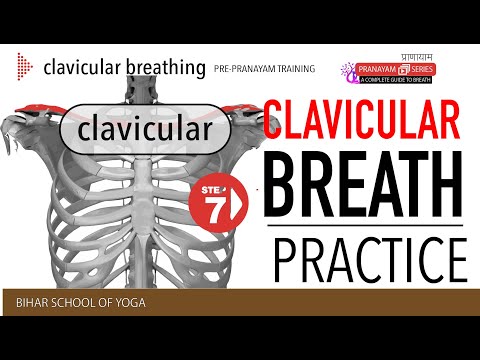
Hey! So, let’s chat about something that might seem a bit unusual at first—clavicular breathing. Yep, you heard that right. It’s all about how we breathe, particularly using our collarbones.
Now, you might be thinking, “What’s the big deal with that?” Well, turns out it can actually make a difference in how we feel mentally. Crazy, right?
Imagine feeling stressed or anxious and just changing the way you breathe can help you chill out a bit. Sounds pretty cool!
In this little convo we’re having today, I’ll break down what clavicular breathing is all about and why it matters more than you probably think. Let’s give your mind some room to breathe!
Unlocking Serenity: The Benefits of Clavicular Breathing for Mental Wellness
Clavicular breathing—sounds fancy, right? But really, it’s just a simple way of breathing that can have a lot of benefits for your mental wellness. The thing is, it focuses on the upper part of your lungs. When you breathe this way, you’re using the chest and neck muscles more than your diaphragm. That might seem odd, but it can help calm your mind and bring a bit of peace into your day.
First off, let’s talk about what clavicular breathing actually is. When you inhale, you want to lift your shoulders slightly and expand your chest. It’s like you’re trying to fill the very top part of your lungs with air. Exhaling gently follows. Sounds easy, doesn’t it?
Now, why does this matter for mental health? Well, when you’re stressed or anxious, sometimes the body just forgets how to breathe properly. You end up taking quick shallow breaths instead of nice deep ones. Clavicular breathing can actually help reset that pattern.
Here are some key benefits:
- Reduces Anxiety: Focusing on this type of breath can help quiet racing thoughts.
- Enhances Relaxation: You might notice a physical shift in how you feel—like tension melting away.
- Increases Mindfulness: Paying attention to how you breathe brings you back to the present moment.
- Boosts Your Mood: More oxygen means better brain function and an overall sense of well-being.
Now let me paint a picture for you: Imagine having one of those days where everything feels off. You know the kind? You’re stuck in traffic, late for work—your mind is racing with all the things that went wrong today. Now picture yourself taking a few moments to focus on clavicular breathing right there in your car (maybe after pulling over!). With each breath in and out, you find those feelings beginning to calm down. It’s like hitting pause on all that chaos outside.
But hey, it’s not just something to pull out when life gets hectic! Regular practice can really make a difference long-term too. It’s like building a muscle—you’re training yourself to react differently when stressors pop up.
So if you’re intrigued by adding something new to your routine for mental wellness, consider giving this type of breathing technique a shot! Seriously—it could be one small change that leads to some big results over time.
Discover the Surprising Benefits of Collarbone Breathing for Mental Wellness
Ever heard of collarbone breathing? It’s this really cool technique, and honestly, it can do wonders for your mental wellness. You might be wondering what makes shoulder-height breathing so special. Let me break it down for you.
Collarbone breathing, or clavicular breathing, involves taking deep breaths that primarily fill up the upper lungs. Now, you may think, “Why not just breathe normally?” Well, here’s the thing: sometimes we breathe shallowly. That’s often when we’re stressed or anxious. When you shift to collarbone breathing, though, it helps open up our chest and allows more oxygen in.
So why should you even care about this kind of breathing? Let’s explore some benefits:
- Reduces Stress: When you’re feeling overwhelmed, taking a moment to focus on collarbone breathing can help calm your mind. Picture this: you’re in a meeting that’s getting out of hand. Instead of reacting poorly, you pause for a second and take a few deep breaths at your collarbones. Suddenly, things don’t seem as chaotic!
- Enhances Focus: It helps clear your mind by providing that much-needed oxygen boost to your brain. Imagine starting your day with just five minutes of collarbone breathing—your thoughts might align better throughout the day!
- Aids Relaxation: If you struggle with falling asleep due to racing thoughts, integrating this technique before bedtime can help settle your mind down.
The beauty of collarbone breathing is its simplicity. You don’t need fancy equipment or lots of time—just a few minutes here and there can make a significant difference.
You know how life sometimes feels like it’s spiraling out of control? A while back, I found myself anxious during pretty much every social gathering I attended. What helped was shifting my focus to my breath. I’d take those deeper college-breaths before entering the room—or even in the bathroom if things felt overwhelming! Seriously made me feel more grounded.
If you’re interested in trying it out yourself, here’s how:
- Sit up straight or stand comfortably.
- Inhale deeply through your nose while raising your shoulders towards your ears.
- Hold for just a sec—let that oxygen work its magic!
- Exhale through your mouth while relaxing your shoulders back down.
This cycle doesn’t have to go on forever—just a few minutes will do! Just remember: practice makes perfect. The more you do it, the easier it becomes to tap into this power whenever stress strikes.
Collarbone breathing may seem simplistic at first glance; however, integrating it into daily routines might just be one of those little gems in mental wellness practices…you know? Just gives that extra push toward feeling calmer and more centered throughout life’s ups and downs.
Understanding Clavicular Breathing: Benefits and Techniques for Better Mental Health
Clavicular breathing, huh? It sounds kind of fancy, but let’s break it down. Basically, this is a way of breathing where you mainly use your upper chest and shoulders. When we breathe this way, we tend to take in short, shallow breaths which can sometimes leave us feeling a bit anxious or on edge.
Now, the thing is, when you’re stressed or anxious, your body often defaults to this type of breathing. You might notice that your shoulders lift up a lot when you inhale. This can lead to feelings of tightness and even make anxiety worse. But understanding how to control it can really help with your mental health.
Here’s why it’s important:
- Awareness: Recognizing when you’re breathin’ from the clavicles can lead to deeper awareness about stress levels.
- Calmness: Learning proper breathing techniques can help calm that racing heart or mind.
- Focus: It can sharpen your focus by ensuring more oxygen flows to your brain.
You could think about the time you had to give a presentation at work or school. Your heart raced, palms sweated, and before you knew it, you were breathing from your chest! By practicing more balanced diaphragmatic breathing instead—where the belly rises and falls—you might have felt more relaxed and centered.
So how do you actually shift from clavicular breathing to something healthier? Here are some simple techniques:
- Diaphragmatic Breathing: Rather than puffing out your chest while inhaling, shift focus to letting your belly expand with each breath. Imagine blowing up a balloon in your stomach!
- Paced Breathing: Try inhaling for a count of four (1-2-3-4), holding for four counts, then exhaling for another four counts. This rhythm calms both body and mind.
- Sit with Comfort: Find a comfortable seated position—this helps encourage better lung capacity—and gently place one hand on your abdomen.
When you practice these methods regularly, it’ll be like training any muscle in your body. Seriously—over time! You’ll notice that the tendency to revert back to that upper-chest breathing begins fading away.
Remember how relaxing deep breaths feel after a long day? Yeah, that’s what we’re aiming for here! Clavicular breathing might seem small beans but trust me—it plays a big role in how we cope with daily stresses.
Incorporating these techniques into your daily routine can enhance not just physical well-being but mental clarity too. Because every little bit helps when it comes to taking care of yourself!
Clavicular breathing. Sounds a bit fancy, right? But it’s really just a way of breathing using your upper chest and shoulders instead of your belly. I mean, you might not even realize you’re doing it until someone points it out.
So, picture this: You’re sitting at your desk, stressed out about that project with the tight deadline. You might start taking shallow breaths, like barely filling up your lungs, just a little bit. Your shoulders hunch up, and before you know it, you’re all tense and anxious. It’s wild how that little thing can affect how we feel mentally.
I remember a time when I was super overwhelmed after moving to a new city. Everything felt chaotic—new job, new apartment, just everything was different! I found myself constantly taking these short breaths that made me feel even more frazzled and ungrounded. I stumbled upon this concept of clavicular breathing one day during a yoga class (you know how those classes can be full of surprises?). The instructor talked about how breathing deeply can really change our state of mind.
When you breathe using your clavicles and upper chest in the right way—like allowing air to fill up those upper lung areas—it helps to shift your body from that fight-or-flight state into something calmer. It sounds simple but honestly can be pretty transformative for those anxious feelings creeping in. Like, just focusing on taking deeper breaths clears the mind a bit.
Now imagine being aware of your breath during moments when life feels heavy. You start to tune into those shallow breaths and consciously switch it up. Instead of tensing at the shoulders or feeling that tightness in your chest, you let yourself take in bigger air with ease.
Of course, it’s not some magic solution for everything—life can throw curveballs no matter how well you breathe! But getting into the habit of tuning into our breath does have this way of grounding us back to the present moment without all that extra noise in our heads.
So yeah, next time you’re feeling overwhelmed or anxious (which we all do sometimes), maybe pause for a moment and check in on how you’re breathing. Sometimes that small switch can lead to big changes in how we feel mentally and emotionally.