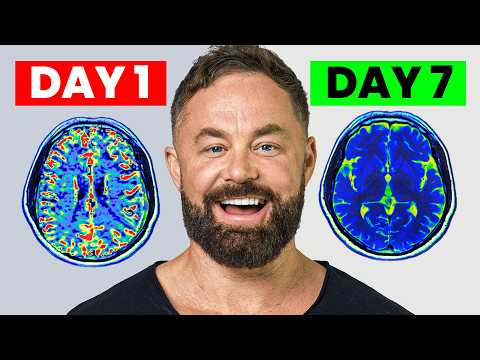
Ever had one of those days where your brain feels like it’s running through mud? Yeah, me too. Seriously, it’s like you’re trying to think, but everything’s just… fuzzy.
That pesky brain fog can sneak up on anyone. You wake up feeling fine, and by noon you’re staring blankly at your to-do list. What’s going on, right?
You start questioning if you left the stove on or if you’ve actually forgotten how to string a sentence together. Spoiler alert: you didn’t forget—your brain’s just having a moment.
But don’t worry! There are some super simple strategies to clear that fog and get your mental clarity back. So if you’re ready to kick that sluggish feeling to the curb, let’s chat about it!
Recognizing Brain Fog: 4 Key Warning Signs You Shouldn’t Ignore
Brain fog is one of those things that can sneak up on you, like when you suddenly blank out while trying to remember someone’s name or feel lost in a conversation. It’s not just about being forgetful; it can really mess with your day-to-day life. So, let’s break down some of the key warning signs you shouldn’t ignore.
The first sign is difficulty concentrating. You might find your mind wandering during meetings or while reading a book. One minute you’re focused, and the next? Poof—your thoughts are gone. It’s super frustrating because it makes everything take twice as long.
Next up is mental fatigue. You know that feeling when you’ve run a marathon without moving? That’s kind of how mental fatigue feels. You might feel exhausted even after a full night’s sleep, leaving you ready to hit the pillow by 3 PM, instead of the usual bedtime.
A third warning sign is irritability. Have you noticed that little things annoy you more than they used to? Like, maybe your coffee order being wrong sends you over the edge. That’s brain fog messing with your mood and patience. Emotions can start to feel like they’re on a rollercoaster ride—up one moment and down the next.
Finally, there’s forgetfulness. This isn’t just about misplacing your keys or forgetting an appointment; it’s more about everyday tasks slipping through the cracks—the names of people you’re close to or tasks you’ve committed to handle. Like when your buddy asks if you’re still on for dinner, and you’re left standing there blankly because…uhhh, what were we talking about?
If these resonate with you at all, don’t brush them aside! Taking note of these signs can be massively helpful in figuring out what’s going on with your headspace. Sometimes it points toward bigger issues like stress or lack of sleep, so it could be time to chat with someone who gets it.
Feeling overwhelmed by these symptoms? You’re not alone! Talkin’ through things with a friend or therapist can help clear that fog away faster than you’d think!
Instantly Clear Brain Fog: Effective Techniques for Mental Clarity
Brain fog can feel like you’re walking through a thick haze, right? Everything seems cloudy, and your thoughts just don’t come together. It can stem from various factors like stress, lack of sleep, or even poor diet. But there are some really effective ways to clear that fog and boost your mental clarity.
Hydration is key. Seriously, it’s amazing how much water impacts brain function. Dehydration can slow you down mentally. Aim for about eight glasses a day, but listen to your body—drink when you feel thirsty.
Snack smart! You know how certain foods give you that sluggish feeling? Well, instead of sugary snacks that crash your energy, try nuts or fruits. They provide lasting energy without that heavy dip later on.
- Regular exercise: Even a brisk walk can do wonders! It gets the blood flowing and helps clear out the cobwebs in your head.
- Meditation and deep breathing: These practices calm your mind and help you focus. Just five minutes of focused breathing can refresh your thoughts.
- Get enough sleep: Lack of sleep majorly contributes to brain fog. Try sticking to a routine—go to bed and wake up at the same time each day.
A while back, I had this period where I just couldn’t concentrate on anything. I’d sit at my desk staring blankly at my computer screen while my mind felt like it was racing in circles. It turned out I was skipping meals and hardly drinking water! By focusing on these simple tips, I started feeling more alert and engaged again.
Avoid multitasking! I know it’s tempting to juggle multiple tasks at once but trust me—focusing on one thing at a time improves clarity. Your brain works better when it’s not overloaded with too many things vying for attention.
Take breaks often. Seriously, stepping away for even just five minutes every hour can rejuvenate your mind so much more than pushing through will ever do!
If you’re finding all of this overwhelming sometimes—a good chat with someone might help too! Talking things out can clarify thoughts you didn’t even know were fuzzed up in there.
Lastly, if your brain fog persists or worsens over time, don’t hesitate to reach out for professional help. Sometimes there are underlying issues that need addressing—and getting clarity isn’t always just about quick fixes; sometimes it’s about diving deeper into what’s going on inside of you!
Overcoming Brain Fog: My Personal Journey to Clearer Thinking and Improved Mental Clarity
I totally get it—brain fog can feel like trying to swim through molasses. You’re there, but your mind just isn’t cooperating. It’s frustrating, isn’t it? I’ve been there too, and let me tell you, it’s a journey worth sharing.
So, what exactly is brain fog? Well, basically it’s that mental cloudiness that makes focusing seem impossible. You might feel forgetful or just plain out of sorts. For me, it often showed up during the busiest times in my life. Imagine cramming for exams or trying to juggle work deadlines while feeling like your brain is running on empty; not fun at all!
In my quest for clearer thinking and improved mental clarity, I tried a few strategies that made a noticeable difference. Here are some key points that helped me along the way:
- Sleep Hygiene: Getting enough shut-eye was a game changer for me. I started prioritizing sleep—aiming for at least 7-8 hours a night—and noticed how much sharper my mind felt during the day.
- Hydration: This one might sound simple but drinking enough water really matters! When I started tracking my intake, I realized how often I was under-hydrated. Just keeping a water bottle handy helped clear up the fog.
- Nutrition: What you eat seriously impacts how your brain functions. Incorporating more whole foods—fruits, veggies, and healthy fats—made me feel more energized and focused.
- Mindfulness and Meditation: Taking even just ten minutes a day to meditate helped calm my racing thoughts and improve my concentration over time.
Each of these strategies was like lifting a layer of fog off my mind.
Stress management also played a huge role in this journey. I realized that stress could pile onto any existing brain fog, making everything worse. So, tackling stress became essential for me. Whether it was through yoga or just taking breaks when needed, reducing stress levels really helped improve clarity.
And hey, listening to music or podcasts? That honestly sparked joy in dull moments! The right tunes could lift my mood significantly.
Sometimes people overlook the importance of talking about what they’re experiencing too. Just expressing how muddled you feel to someone who gets it can make such a difference! When I opened up about mine with friends and family or even fellow colleagues experiencing similar things—it felt lighter somehow.
But remember: if brain fog persists despite trying these strategies, reaching out for professional help is important too! There could be underlying conditions at play that need addressing – like thyroid issues or anxiety disorders.
So yeah, overcoming brain fog has been quite the personal journey for me! By tackling sleep habits, hydration levels, nutrition choices—and adding mindfulness—I found clearer thinking again! It wasn’t an overnight fix; rather small consistent changes led to lasting improvement over time.
Feeling more mentally clear isn’t just about battling «brain fog.» It’s also about understanding your mind better so you can embrace life fully again—one thought at a time!
You know those days when your brain feels like it’s wrapped in cotton candy? Everything is fuzzy, and just trying to focus feels like climbing a mountain. Yeah, that’s brain fog for you. It’s such a frustrating experience, where even the simplest tasks seem impossible.
I remember this one time when I was trying to finish a project for work. I sat there staring at my screen, the words all jumbled up in my head. I was thinking, “Come on! Just focus!” But nothing worked. So, I decided to just take a break and go for a walk outside. It was like magic! The fresh air cleared my mind just enough to get back into the zone.
So, if you’re feeling that fog creeping in, there are some simple strategies that can help you regain clarity without too much fuss. First off, hydration is key. Seriously! Dehydration can make your brain sluggish, so chugging some water can give you that little boost you need.
Another thing is movement—getting up to stretch or do a quick workout really gets the blood flowing and wakes you up more than caffeine sometimes! Believe me; it totally works wonders.
Then there’s food; what you eat matters more than we realize. Foods rich in omega-3 fatty acids, like salmon or walnuts, are known to help with brain function. And let’s not forget about those colorful veggies! They pack a punch with antioxidants that can help keep your mind sharp.
Mindfulness and breathing exercises are also super helpful for cutting through the haze. Just taking a few minutes to breathe deeply can ground you and clear away distractions.
Sometimes though, it might be something else at play—like stress or sleep issues—and addressing those underlying concerns can really turn things around too.
So yeah, next time that brain fog hits hard, remember: stay hydrated, move around a bit, eat well, breathe deeply… and don’t hesitate to step outside for some fresh air! You’ll be amazed at how these clear strategies can lift that cloud away and get your thoughts back on track again.