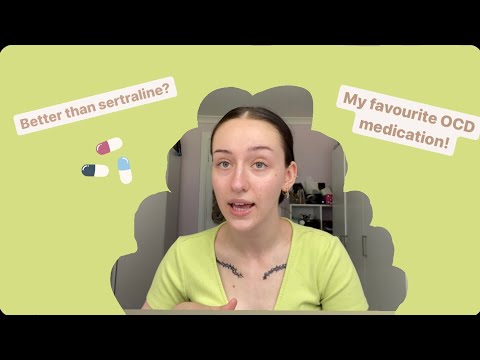
Hey! So, let’s chat about something that can get a bit tricky: clomipramine. You know, that old-school antidepressant?
It’s been around for a while, and yeah, it can work wonders for folks dealing with depression and anxiety. But here’s the catch: it also comes with some side effects that can throw you for a loop.
Imagine finally feeling better mentally but then dealing with some unexpected physical stuff. Not fun, right?
We’ll break down what you might experience if you’re on clomipramine. Trust me; it’s good to be in the know!
Exploring the Link Between Clomipramine and Diarrhea: What You Need to Know
Clomipramine is an older antidepressant, part of the tricyclic antidepressant family. It’s mainly used for obsessive-compulsive disorder (OCD) and depressive disorders. But you might be wondering about one of its side effects: diarrhea. So, let’s break that down a bit.
When you start taking clomipramine, your body goes through a bunch of adjustments. One common reaction is gastrointestinal upset. That means you could experience things like nausea or even diarrhea. And honestly, it can be pretty uncomfortable. This happens because the medication affects serotonin levels in your brain and gut, which can lead to changes in digestion.
Now, here’s where it gets interesting. The intestines have a lot of serotonin receptors. When clomipramine boosts serotonin levels, it can speed up how quickly food moves through your intestines—hence, the potential for diarrhea. Not exactly what anyone wants to deal with, right?
But this isn’t the case for everyone. Some folks might not notice any changes at all while on clomipramine. You see: every person reacts differently to medications based on their unique biology and overall health.
Here are a few things to keep in mind if you’re considering or already taking clomipramine:
- Monitor Your Diet: Sometimes what you eat can make stomach issues worse. Spicy or fatty foods might not help.
- Stay Hydrated: If diarrhea hits, drink plenty of water to avoid dehydration.
- Talk to Your Doctor: If diarrhea becomes severe or persistent, it’s essential to consult with your healthcare provider.
- Adjustments May Be Necessary: Sometimes doctors may change your dosage or switch medications if side effects aren’t manageable.
A friend of mine once started on clomipramine for their OCD symptoms and was hopeful about finding relief after struggling for years. However, they quickly found themselves running to the bathroom more often than they liked! It became such a hassle that they had to reach out to their doctor for some advice.
Your experience might vary widely from that though! Some people have a smoother ride with fewer side effects while others face challenges like this one.
In short, while clomipramine can be effective for certain mental health conditions, it does come with potential side effects like diarrhea. Just remember: staying informed and communicating openly with your healthcare team is super important when navigating these kinds of treatments!
Understanding the Impact of Clomipramine on Mood: What You Need to Know
Clomipramine is an antidepressant often prescribed for conditions like OCD (obsessive-compulsive disorder) and depression. It belongs to a group of medications known as tricyclic antidepressants. Now, if you’re considering or already on clomipramine, you might be curious about its effects on your mood. So let’s break it down.
First off, clomipramine works by altering the levels of certain chemicals in your brain, namely serotonin and norepinephrine. These two neurotransmitters play a major role in regulating mood. Increased serotonin can help improve your mood and sense of well-being. That’s pretty important, right?
However, the impact on mood isn’t just all sunshine and rainbows. Clomipramine comes with potential side effects that can affect how you feel emotionally. Some people report experiencing:
- Weight gain: This can lead to a decline in self-esteem and body image.
- Drowsiness: Feeling sleepy all the time isn’t exactly uplifting.
- Anxiety or restlessness: Some folks find that their anxiety actually worsens when they start this medication.
- Dry mouth or dizziness: Not exactly mood boosters!
Let’s take Sarah, for example. She struggled with OCD for years and finally started taking clomipramine. At first, she felt more in control of her thoughts—like finally gaining some ground. But after a few weeks, she noticed some weight gain and that made her really self-conscious at work. She also dealt with a constant feeling of tiredness which affected her motivation to do things she enjoyed.
So the thing is, while clomipramine may help lift your mood at times, it can also lead to feelings of frustration or distress due to side effects. It’s super crucial to have open conversations with your doctor about how it’s affecting you overall.
Additionally, remember that everyone reacts differently to medication! This means what works wonders for one person might not be effective—or even bearable—for another.
If you’re thinking about discontinuing clomipramine because of these effects, don’t just stop taking it cold turkey! It’s best to consult with your healthcare provider first because there are ways to manage those side effects better or find alternatives that suit you more.
In sum, understanding how clomipramine impacts mood helps navigate the complexities of mental health treatment better. You deserve to feel good inside and out—you know? So keep those lines of communication open; don’t hesitate to reach out if something doesn’t feel quite right!
Understanding Clomipramine: Uses and Benefits for Canine Mental Health
I’m really glad you’re curious about clomipramine and its role in canine mental health. You know, our furry friends can struggle with various issues just like we do. So, let’s break this down simply.
What is Clomipramine?
Clomipramine is an antidepressant that’s primarily used to treat anxiety and obsessive-compulsive disorders (OCD) in dogs. It belongs to the tricyclic antidepressant class, which basically means it changes how certain chemicals in the brain work. This can help your pup feel more balanced and less anxious.
How Does It Work?
What happens is clomipramine increases levels of serotonin and norepinephrine in the brain. These are neurotransmitters that help regulate mood and behavior. When your dog is dealing with anxiety or obsessive behaviors, clomipramine can make a real difference by calming them down.
Common Uses for Dogs
Clomipramine is usually prescribed for several mental health issues, such as:
- Anxiety disorders: If your dog seems overly fearful during storms or fireworks, this medication can help.
- OCD: This includes repetitive behaviors like excessive licking or tail chasing.
- Separation anxiety: If your pup freaks out every time you leave the house, clomipramine might ease those worries.
I had a friend whose dog would chew on everything when left alone—so destructive! After trying several things without luck, the vet suggested clomipramine. And honestly? It worked wonders for their pup.
Possible Side Effects
Of course, like any medication, there are some potential side effects to keep an eye on—just like we might feel off after starting something new. With clomipramine, you might notice:
- Drowsiness: Your dog could be more tired than usual.
- Dry mouth: Dogs might drink more water if this happens.
- Nausea: Some pups may not feel great at first.
- Peeing more often: Increased urination can occur too.
If you notice these effects persisting or worsening, it’s best to chat with your vet about adjusting dosage or trying something else.
The Benefits
When used correctly under veterinary guidance, clomipramine can lead to significant improvements in a dog’s quality of life. Imagine your pup no longer stressing out over that loud thunder! Plus, it aids in building a stronger bond between you two because a calmer dog means less chaos at home.
In short, understanding how clomipramine helps our canine companions gives us hope for managing their mental health needs effectively. Just remember that communication with your vet is key when considering any medication for your fur baby!
So, let’s chat about clomipramine. It’s an older antidepressant that’s often used for things like obsessive-compulsive disorder (OCD) and depression. You might not hear its name tossed around as much as some newer meds, but it definitely has its place in the mental health world. But, like any medication, it comes with a list of side effects, and they can really affect how you feel overall.
Now, I remember talking to a friend who was prescribed clomipramine for their anxiety. At first, they were excited—felt like they were finally on the path to feeling better. But, after a few weeks, things got tricky. They started experiencing some pretty common side effects: dizziness, dry mouth, and weight gain. Can you imagine drinking a ton of water and still feeling parched? That can be super frustrating.
But it wasn’t just the physical stuff affecting them; it was also messing with their mood. You know how when you don’t feel great physically, it can weigh on your emotional state too? That’s what happened here. They felt tired and kind of out of it all the time, which made dealing with anxiety even tougher.
It’s interesting because everyone reacts differently to medications like this one. Some people might hardly notice any side effects while others feel like they’re living through a sitcom episode where everything goes wrong all at once! So if you’re ever prescribed clomipramine—or any other med—it’s really important to talk about what you’re experiencing with your doc.
Plus, there’s this whole balancing act between managing symptoms and tolerating side effects that can feel like walking a tightrope sometimes. If you’re struggling with something or finding that the side effects outweigh the benefits—you know—don’t hesitate to speak up! There are often alternatives or adjustments that can help you find your sweet spot without all those annoying side effects.
The thing is: mental health treatment is personal. It’s not just about taking pills; it’s about finding what works for you as an individual. So keep an open dialogue with your healthcare provider because that’s how you figure out the best way forward while navigating all this complexity together!