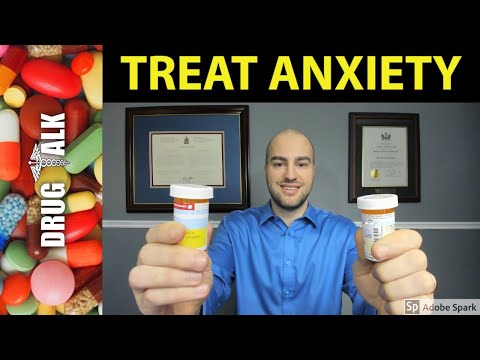
So, let’s chat about clonazepam, shall we? You might have heard of it—it’s one of those meds that gets thrown around a lot for anxiety. But wait, there’s more!
Some folks are using it for depression too. Sounds interesting, right?
You probably have a friend or maybe you yourself have wondered if this little pill can really help with the dark clouds hovering over your mind.
Like, does it actually work? And what’s the deal with side effects?
So grab a snack, sit back, and let’s untangle this together.
Exploring Clonazepam: Its Effects on Depression and Anxiety Relief
Clonazepam is one of those medications that often comes up in conversations about treating anxiety and sometimes depression. It’s a part of the benzodiazepine family, which, you know, means it works by calming your brain and nervous system. Basically, it makes you feel more relaxed when life throws too much at you.
When someone takes clonazepam, it enhances the effects of a natural brain chemical called GABA (gamma-aminobutyric acid). This neurotransmitter is like a calming buddy that tells your brain to chill out. So, if you’re feeling overwhelmed or anxious, clonazepam can help turn down the volume on those chaotic thoughts.
Now, let’s look at why people often turn to clonazepam. Here are some points to keep in mind:
However, it’s not all sunshine and rainbows with this medication. There are some serious considerations you should think about:
So picture this: You’re having one of those days where everything feels way too heavy on your shoulders. Taking clonazepam may help ease that feeling like someone’s lifted a weight off your chest—or at least taken away a bit of the noise in your head.
But remember: it’s always important to talk with a healthcare provider before starting or stopping any medication like clonazepam. They’ll be able to guide you on whether it’s right for you personally based on your history and current situation.
In short, while clonazepam can play an important role in managing anxiety (and occasionally related depressive feelings), it’s not without its risks and challenges. Knowing how it works helps make better decisions about mental health strategies moving forward!
Understanding Clonazepam: Can This Medication Cause Swelling?
So, you’ve got questions about clonazepam, right? Like, can this medication actually cause swelling? Let’s break it down together.
First off, clonazepam is a medication that belongs to a class of drugs called benzodiazepines. It’s used mainly for treating conditions like anxiety and panic disorders. People often find it helpful because it can really calm those racing thoughts and that tight feeling in your chest. **But**, like any medication, it comes with its own set of potential side effects.
Now, when we talk about swelling—medically known as edema—it’s important to know that while it’s not a super common side effect of clonazepam, it can happen. Typically, edema happens when fluid builds up in your body’s tissues. This could make parts of your body feel swollen or look puffy.
Here are a few reasons why this might happen with clonazepam:
- Allergic Reactions: Some folks might have an allergic reaction to the medication. That could lead to swelling, especially in areas like the face or throat.
- Interaction with Other Medications: If you’re taking other medications along with clonazepam, there might be interactions. Certain combinations can increase the risk of swelling.
- Underlying Health Conditions: It’s also possible that you have an existing health issue—like heart or kidney problems—that makes you more prone to swelling when taking certain meds.
Now, looking back at my friend Sarah—she was prescribed clonazepam for her anxiety after dealing with some pretty tough times at work. A couple of weeks in, she noticed her ankles were kind of puffy. At first, she thought it was just the stress or maybe all those salty snacks she loved munching on! But after chatting with her doctor about it, they realized the swelling was likely linked to the medication and did some adjusting.
If you’re experiencing any swelling while on clonazepam—or really any concerning side effects—it’s super important to talk to your doctor about it! They can help determine what’s going on and whether adjustments need to be made.
In summary: yes, while clonazepam isn’t usually linked directly to causing swelling, it can happen due to various reasons ranging from allergies to interactions with other medications or preexisting health issues. Always stay tuned into how your body is feeling and don’t hesitate to reach out for help!
Understanding Clonazepam: Its Role in Treating Depression and Anxiety
Clonazepam is one of those medications that can make a real difference for people dealing with anxiety and, in some cases, depression. You know how life can throw curveballs at you, and sometimes it feels like everything’s just piling up? That’s where clonazepam comes in, offering some relief when it gets overwhelming.
What is Clonazepam?
It’s part of a class of drugs called benzodiazepines. Basically, these meds work by helping to calm your brain down. They increase the activity of a neurotransmitter called GABA. Think of GABA as your brain’s chill pill; it’s there to help reduce feelings of anxiety and tension.
When is Clonazepam Prescribed?
Doctors usually prescribe clonazepam for
,
, and sometimes
. You might hear about it more for anxiety, but don’t underestimate its potential effect on depression symptoms.
It’s important to note that clonazepam isn’t a first-line treatment for depression. If you’re thinking about how it works in treating these conditions: it can help manage the anxiety or panic that might be contributing to depressive feelings. Imagine feeling anxious about going out or social situations—clonazepam can ease that worry, which may then help lift your mood overall.
How Does It Make You Feel?
Some people report feeling less jittery or on edge after starting clonazepam. There’s this sense of relaxation without those pesky racing thoughts trying to take over your mind. But here’s the catch: it doesn’t work the same way for everyone! Each person’s experience will vary widely based on their unique situation.
The Dosage and Considerations
Dosage is something you’ll definitely want to discuss with your doctor. They typically start low and adjust as needed—like figuring out the right music volume at a party, you know? Too loud and it gets overwhelming; too soft and you can’t enjoy it.
And here’s something critical: while clonazepam can be effective, there are potential side effects like drowsiness, dizziness, or even dependency if used long-term. Yikes! That’s why doctors often recommend using it for short periods or alongside other treatments like therapy—because talking things out can get you moving forward without relying solely on medication.
The Bottom Line
Clonazepam has its place in the mental health toolkit but remember it isn’t just about popping pills when things get tough. The combination of medication with therapy often leads to better outcomes as they tackle both the emotional side and physical symptoms together.
If you’ve got questions swirling around in your head about whether this could be right for you—or if you’re seeing someone dealing with similar stuff—chatting with a healthcare professional is key. Getting proper guidance helps ensure you’re on the best path toward feeling better in both mind and body!
Clonazepam, or Klonopin as it’s often called, is one of those medications that pops up in conversations about treating anxiety and, sometimes, depression. It’s a benzodiazepine, which means it can help with those overwhelming feelings of anxiety that just seem to take over your life. You know what I mean? Like when your heart starts racing for no reason, and you feel like you’re stuck in this never-ending loop of worry.
I remember chatting with a friend once who had been dealing with pretty intense panic attacks. She described feeling like she was on this emotional rollercoaster—one minute she felt fine and the next she was drowning in anxiety. That’s when her doctor suggested clonazepam. At first, she was hesitant about taking medication, but after trying therapy and mindfulness exercises without much relief, she gave it a shot.
What’s interesting about clonazepam is that it doesn’t just kick in quickly; it also has a longer-lasting effect than some other anxiety meds. So for my friend, it became this safety net during those tough times when her mind just wouldn’t quiet down. But here’s where things get tricky: while it can be super effective for short-term relief or managing those crazy panic moments, it’s not really seen as a long-term solution for depression or anxiety.
Doctors usually like to pair it with therapy or other medications because the thing is—you risk developing a dependency on benzodiazepines if you rely on them too much. My friend could feel the difference almost immediately when taking clonazepam, but after a while—and especially when her dosage increased—she found herself feeling kind of foggy and tired all the time.
So yeah, clonazepam can definitely play a role in managing the symptoms of anxiety and even help some people navigate through tough bouts of depression. The key is understanding that it’s usually best used as part of a broader treatment plan rather than the sole solution. Balancing medications with therapy can really make all the difference in finding some peace of mind.