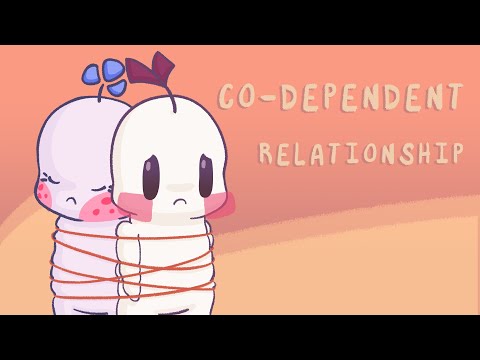
Hey, you ever felt like you’re kinda stuck in a loop with someone? Like, you can’t seem to do anything without them, and it’s exhausting? That’s what we call co-dependency.
It’s that tricky dance where one person relies heavily on another for emotional support, sometimes to the point of losing themselves. It’s not just about love—it’s a whole emotional connection that can get very complicated. Seriously.
Imagine being so focused on someone else’s needs that you forget your own. Yikes, right? It can mess with your mental health big time.
So, let’s chat about what co-dependency really is and how it sneaks into our lives. You might just see some familiar patterns.
Understanding Codependency: How It Impacts Those Around You
Codependency is one of those concepts that’s easy to misunderstand. Basically, it’s when you rely on someone else for your emotional needs and self-worth. It sounds simple, but the effects can be pretty deep, not just for you but for everyone around you.
What is Codependency?
Imagine someone who feels they can’t be happy unless they’re taking care of someone else. Maybe you’ve seen this with a friend who always puts their partner’s needs above their own. They might neglect their own hobbies or friends just to keep the other person happy. You see, this often stems from a fear of abandonment or low self-esteem.
Codependent relationships can create a cycle where one person feels needed and the other feels overwhelmed. That’s how it impacts not only you but also those around you, like friends and family.
The Effects on Mental Health
When you’re in a codependent situation, it can lead to a bunch of emotional difficulties. It may feel like you’re lost in someone else’s life instead of living your own. Here are some of those effects:
I remember a friend who was super close to her sister. She’d cancel plans with us if her sister needed help with something minor—like picking out clothes! Over time, my friend became less confident about her own decisions because she was always second-guessing what was best for her sister.
How It Affects Relationships
In codependent relationships, one person often takes on the role of caretaker while the other becomes dependent. This can create huge issues down the road:
Think about an example: if your best friend relies on you entirely for emotional support and never learns to deal with their problems independently, that might wear you out! You can’t always be there 24/7; it’s draining.
The Path Toward Healing
Recognizing codependency is the first step toward change. Therapy can really help people untangle these dynamics and establish healthier boundaries.
You might start by identifying what makes you feel worthy outside of your relationships—hobbies that fill your cup or things you’re passionate about outside caretaking duties.
Also important? Learning to say no! You don’t have to be everyone’s go-to savior all the time.
So yeah, understanding codependency helps shine a light on how interdependent we all are but also shows how harmful it can be when taken too far. Finding balance is key!
Understanding Codependency: The Psychology Behind Emotional Dependency in Relationships
Codependency is one of those terms that you might’ve heard thrown around in conversations about relationships, but what does it really mean? Basically, it refers to a situation where one person becomes overly dependent on another for their emotional needs. This emotional dependency can create a pretty unbalanced dynamic in the relationship, and that’s where the trouble starts.
So, here’s the deal: people who are codependent often have a hard time recognizing their own needs and feelings. They might put others’ needs first all the time. You know how sometimes you just want to please someone so much that you forget about yourself? That’s it! You lose sight of what makes you happy or fulfilled.
Common signs of codependency include:
- Feeling responsible for other people’s emotions.
- Having trouble setting boundaries.
- Low self-esteem or feelings of unworthiness.
- A constant need for approval from others.
- Difficulty being alone or feeling incomplete without a partner.
Imagine this: let’s say you have a friend named Sarah. She’s always bending over backward to make sure her boyfriend is happy—like rearranging her entire schedule just because he had a rough day at work. It sounds sweet, but Sarah ends up feeling drained and resentful because her own needs are left on the back burner. This kind of scenario is super common in codependent relationships.
Now, let’s talk about how this ties into mental health. Codependency can create a cycle of anxiety and depression. When you’re always trying to take care of someone else at the cost of your own well-being, it can lead to feelings of burnout and sadness. Over time, this emotional strain affects not just you but your relationships as well.
In many cases, these patterns come from past experiences—maybe childhood situations where love was given conditionally or where caregivers needed extra support themselves. It’s all about learned behaviors that stick with us into adulthood.
The good news? You can break free from these patterns! Seeking therapy can help you understand your behaviors better and learn healthier ways to connect with others. A therapist might help you establish boundaries or work on building up your self-esteem so that you’re not relying solely on others for validation.
Understanding codependency is essential if you’re looking to improve your relationships and overall happiness in life. It may take some time and effort, but recognizing these patterns in yourself and making changes can lead to healthier connections moving forward. Remember: it’s perfectly okay to prioritize yourself!
Unpacking the Dangers of Codependent Relationships: Signs, Effects, and Solutions
Codependency can sneak up on you like a bad habit. It’s when your sense of self-worth gets tangled up with someone else’s feelings, needs, or problems. You might find yourself constantly trying to help them, almost to the point where you forget what you need. So, what’s the big deal? Well, it can mess with your mental health in all sorts of ways.
Signs of Codependency
There are a few telltale signs that might scream «codependent relationship.» Some of these include:
- Feeling responsible for other people’s emotions
- Having trouble saying no
- Prioritizing others’ needs over your own
- Fear of abandonment or rejection
- Low self-esteem and lack of self-identity
Let’s break this down. You know that feeling when you see someone upset, and you just have to do everything possible to fix it? That’s classic codependency. You might even find that you’re avoiding your own issues to keep that person happy. It can become seriously draining.
The Effects on Mental Health
Living in a codependent relationship can lead to some heavy emotional baggage. You might experience:
- Anxiety and depression from constantly worrying about others
- Burnout from taking on too many responsibilities
- A feeling of emptiness or loss when the other person is not around
- Your friendships and family connections could suffer because everything revolves around that one person.
Imagine being in a relationship where you feel like you’re constantly giving but never receiving back what you need. It’s exhausting! Over time, this imbalance can leave serious emotional scars.
Solutions for Breaking Free
Alright, so how do we shake off this codependent behavior? Here are some ideas:
- Set clear boundaries: It’s really important to know where you end and the other person begins.
- Focus on self-care: Make time for activities that uplift your soul—whether that’s reading a book, going for walks, or hanging out with friends.
- Seek professional help: Talking to a therapist can be game-changing—like shedding those old skin layers.
- Cultivate personal interests: Rediscover who you are outside of the relationship; it’s super empowering!
It takes courage to step back and realize that loving someone doesn’t mean losing yourself in the process. But the moment you start reclaiming your identity is like breathing fresh air after being stuck inside for too long.
So remember: codependency isn’t just about taking care of someone; it’s about finding balance between love (for them) and love (for yourself). You deserve both!
Co-dependency is one of those things that can just sneak into your life, you know? It’s not always easy to spot, but once you do, it can feel like a light bulb just clicked on. Basically, it happens when someone puts their own needs and emotional well-being on the back burner to take care of another person, often in an unhealthy way. Kind of like being a caretaker for someone else at the expense of your own happiness.
Imagine this: you have a friend who’s constantly struggling with relationships. You find yourself helping them out all the time—listening, giving advice, even making excuses for their behavior. Over time, it becomes exhausting because your life gets wrapped up in theirs. You might start to neglect your hobbies or even lose touch with other friends—all because you’re so focused on them. It’s tough! You want to help and be supportive; however, if you’re not careful, that support can morph into something really draining.
So here’s the thing: co-dependency often stems from patterns formed early in life. Maybe it was a family dynamic where one person needed extra attention or care due to their struggles. That kind of environment often leads people to think they need to «fix» others to find value in themselves. And in doing so, they can lose sight of who they really are or what they truly want.
The effects on mental health are pretty profound. When you’re caught up in a cycle of co-dependency, feelings like anxiety and stress become commonplace. You might feel constant pressure to keep everything together for others while battling a sense of frustration or resentment inside yourself. It’s like being on a rollercoaster with no end in sight—thrilling at times but mostly just dizzying.
Breaking free from co-dependency isn’t easy but definitely possible! A good friend shared her story about how she realized she’d been pouring all her energy into her partner who was struggling with addiction. One day she just hit rock bottom; feeling empty and exhausted wasn’t cutting it anymore. She decided to seek therapy and started learning about boundaries—how important they are for healthy relationships! It wasn’t an overnight fix; she had to confront some tough truths about herself too.
So yeah, recognizing co-dependency is the first step toward healthier connections—with yourself and others! It takes work but embracing your own needs is so freeing. Instead of feeling trapped by someone else’s problems, you start nurturing your own growth along the way—and that’s where real strength lies!